AI in Dermatology: The Future of Skin Cancer Screening
Discover how Artificial Intelligence is revolutionizing skin cancer screening: latest studies, precision, XAI, multimodal systems, and patient benefits.
Megjelent: 2026-03-16 · DermCheck Editorial
Ez a cikk mesterséges intelligencia segítségével készült.
The AI Revolution in Dermatology: A New Era of Skin Diagnostics
Auffällige Muttermale: Wie gut erkennt KI Hautkrebs? | DocBot | ARD Gesund
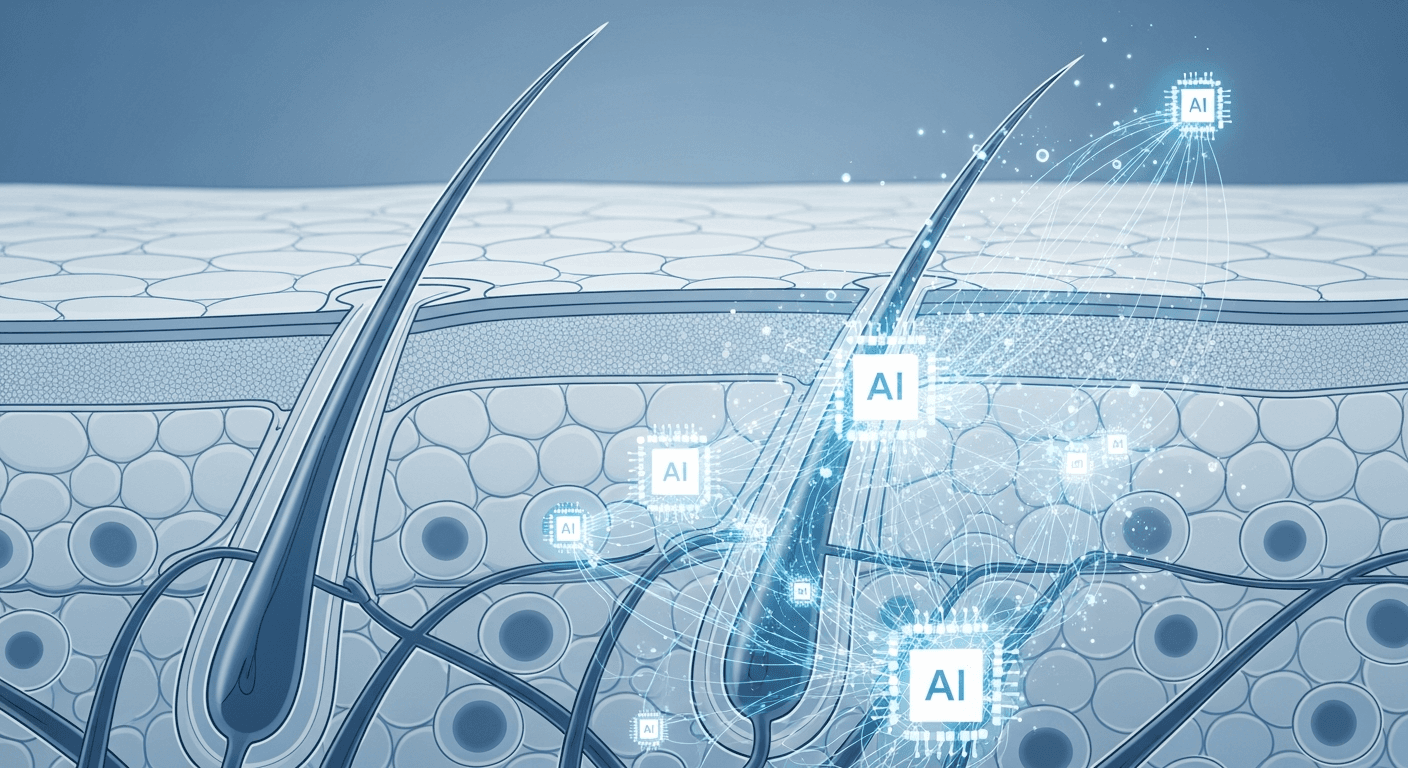
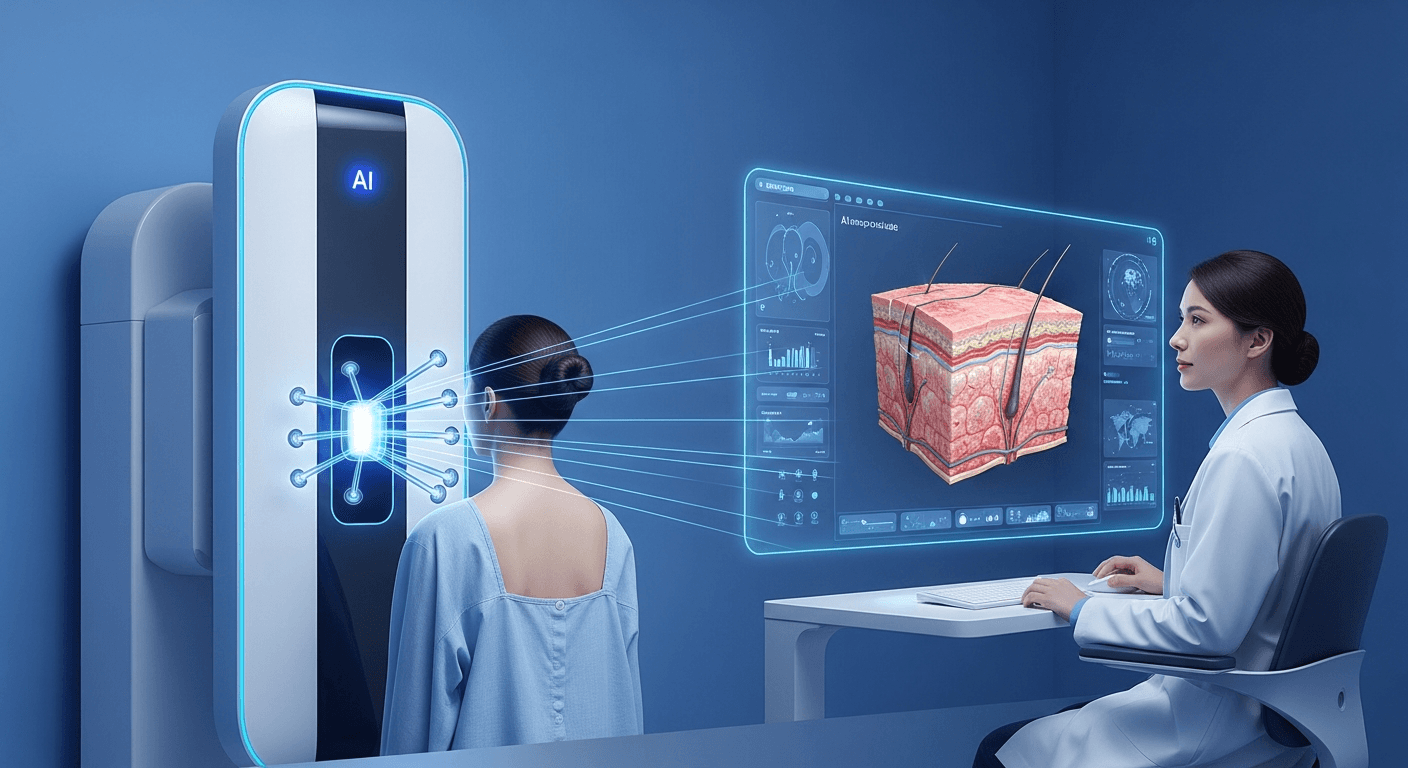
Dermatology, a field inherently driven by visual assessment, is ideally suited for the application of Artificial Intelligence (AI). Rapid advancements in machine learning, especially deep learning, are transforming how skin conditions are detected and treated. With AI-powered systems, such as those utilized by DermCheck, entirely new perspectives are emerging for prevention, diagnostics, and improved patient care. This comprehensive article highlights current research findings, key studies, epidemiological data, and future developments in the use of AI in dermatology, with a particular focus on skin cancer screening. The shift is already well underway and promises to significantly enhance the efficiency and accuracy of skin diagnostics, while human expertise remains indispensable.
The integration of AI technologies allows for the analysis of vast amounts of image data and the recognition of complex patterns that would be difficult for the human eye to discern. This leads to more precise and faster detection of skin cancer and other dermatological conditions. From the early detection of melanomas to personalized treatment planning – AI is becoming an indispensable partner in dermatological practice. The goal is not to replace the doctor, but to support them with powerful tools to make better decisions and elevate patient care to a new level.
The Technical Pillars: How AI Works in Skin Diagnostics
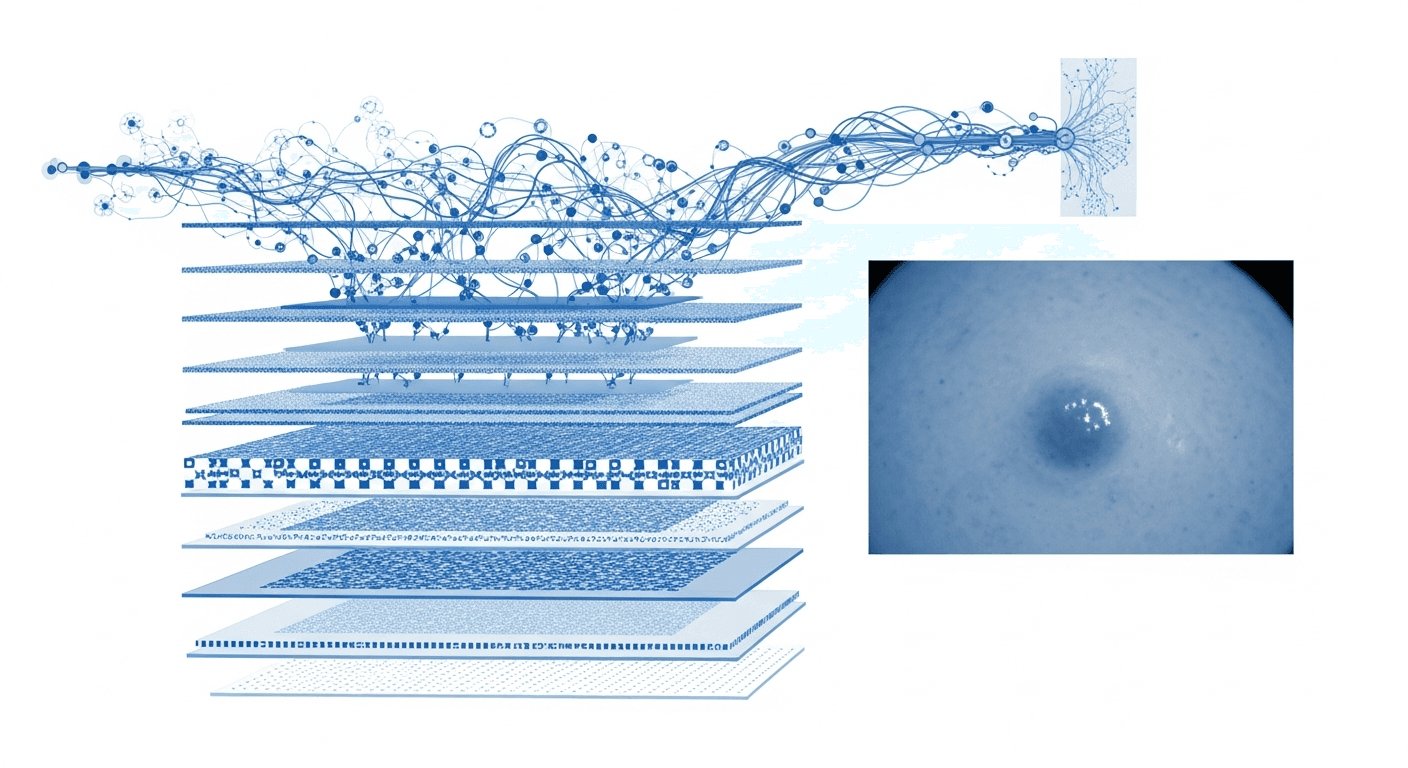
At the core of AI-powered skin diagnostics are Convolutional Neural Networks (CNNs), a specialized form of deep learning. These neural networks are trained to analyze images at the pixel level through various layers with graphical filters. They can evaluate a gigantic amount of images, thereby detecting subtle changes and recognizing known patterns – similar to the visual experience of an experienced dermatologist, but with incomparably greater data processing capacity. This process enables AI to distinguish between benign and malignant skin lesions and even classify different types of skin cancer.
The power of CNNs is based on their training with vast datasets of skin images previously classified by doctors. The more diverse and extensive the data AI receives, the more precise its ability to correctly assess new, unseen lesions becomes. Current studies demonstrate the effectiveness of these algorithms by comparing AI's diagnostic accuracy with that of human experts. AI's ability to learn from this data and extract patterns that may be too subtle for the human eye makes it a powerful tool in early skin cancer detection.
CNNs are a class of deep learning algorithms specifically designed for processing image data. They mimic the operation of the human visual cortex by extracting hierarchies of features – from simple edges to complex shapes – to recognize and classify objects such as skin lesions. Their ability to recognize patterns is crucial for accuracy in dermatological diagnostics.
Impressive Precision: Latest Studies on AI Accuracy in Diagnostics
Research into AI in dermatology has made enormous strides in recent years, particularly in automated image analysis and diagnostic support. A highly anticipated study, presented at the European Academy of Dermatology and Venereology Congress in 2023, yielded impressive results: an AI software program examined 22,356 patients suspected of having skin cancer over two and a half years and identified 189 out of 190 skin cancer cases that occurred, corresponding to a detection rate of 99.5 percent. Additionally, 541 out of 585 precancerous lesions (92.5 percent) and all 59 melanoma cases were detected.
This increase in accuracy is largely attributed to improved AI training techniques and the higher quality of training data. For comparison: an earlier AI model from 2021 detected only 85.9 percent of melanomas and 83.8 percent of skin cancer cases. In melanoma diagnosis, 'Advanced Deep Learning Models' also show promising accuracy rates. A study from January 2025, using the ISIC 2020 dataset, achieved a classification rate of 93.40% for pre-processed and segmented images, compared to 91% for raw images. Such models help to limit the severity of melanoma through early detection.
Comparison of AI Diagnostic Accuracy for Melanoma
| AI Model/Dataset | Melanoma Detection Rate |
|---|---|
| Earlier Model (2021) | 85.9% |
| EADV Study (2023) | 100% (all 59 cases) |
| ISIC 2020 (Jan. 2025, pre-processed) | 93.4% |
Explainable AI (XAI): Building Trust with Medical Professionals
A crucial advance lies in the development of 'Explainable Artificial Intelligence' (XAI). Many dermatologists distrust the decisions of AI algorithms because they are often not transparent. Scientists at the German Cancer Research Center (DKFZ), for example, developed an AI-based support system for skin cancer diagnostics that explains its decisions using established diagnostic features. These explanations refer to specific areas of the suspicious lesions and increased the trust of medical professionals in AI decisions and also in their own diagnoses.
A study published in January 2025 confirms that XAI systems significantly increase diagnostic accuracy and strengthen dermatologists' trust and confidence in assessment, especially in complex cases. By providing visual explanations – so-called 'heatmaps' – that highlight the most relevant image sections for the diagnosis, AI becomes a transparent and reliable partner. This is a crucial step for broad clinical implementation and the acceptance of AI as an integral part of modern early skin cancer detection.
Multimodal AI Systems: A Holistic View of Skin Changes
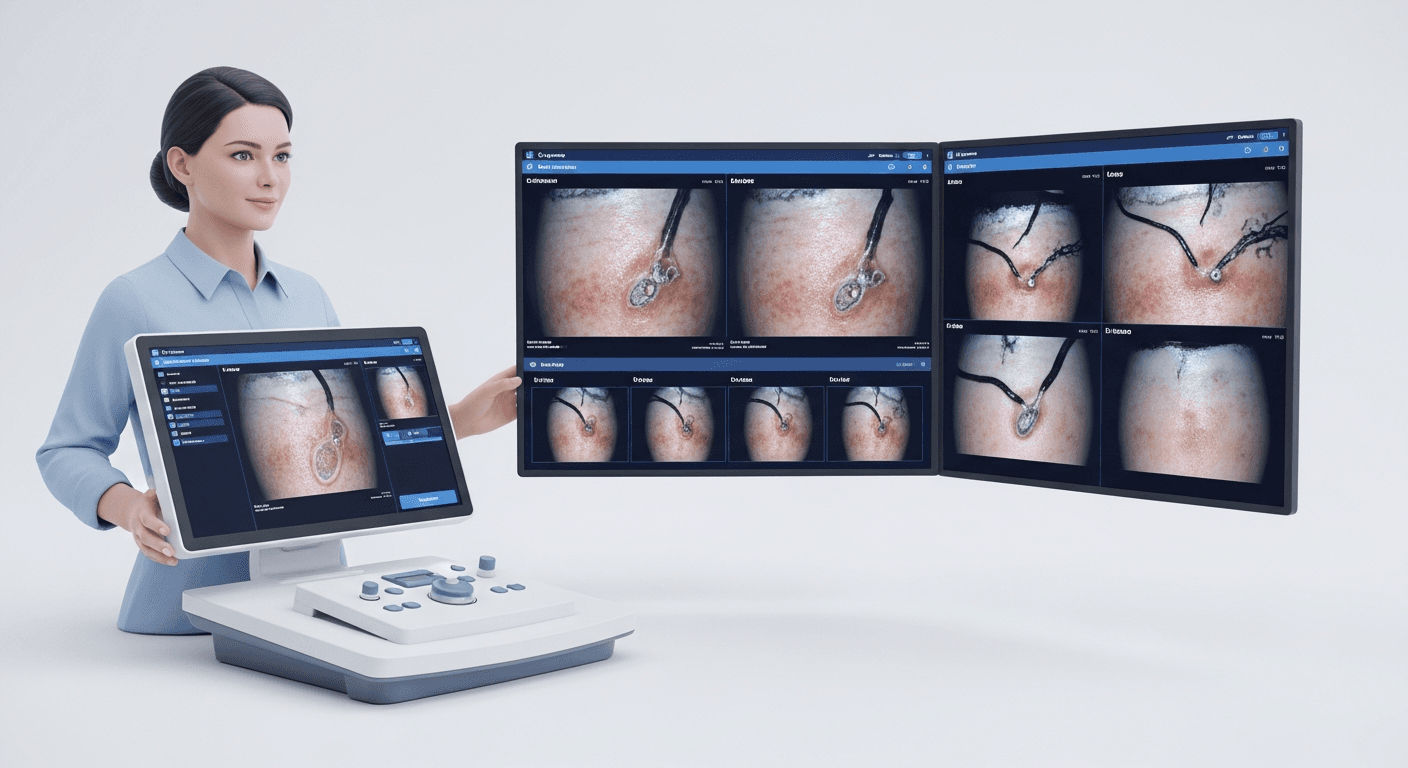
Traditional AI models in dermatology were often trained using only a single image modality, such as clinical close-ups or dermatoscopic images. New multimodal AI systems like 'PanDerm' represent another milestone here. Developed by an international team including the Medical University of Vienna and Monash University, PanDerm can integrate various image modalities simultaneously.
It was trained with self-supervised learning to develop a comprehensive understanding of image content, making it highly versatile. PanDerm excelled in 28 different benchmark tests with high precision, for example, in the differential diagnosis of common and rare skin diseases, the early detection of melanomas, the assessment of skin cancer risk, and the evaluation of dermatoscopic changes. This ability to fuse different image information significantly improves diagnostic accuracy and allows for an even more precise assessment of complex skin lesions.
Equality and Diversity: AI Models for All Skin Types
One of the biggest challenges in developing AI models is the so-called 'bias' in training data. Many early AI models were predominantly trained with images of lighter skin types, leading to lower accuracy in more pigmented skin. This is a critical issue that can lead to disparities in healthcare. The scientific community is increasingly addressing this problem.
For this purpose, the University of Basel created a new dataset for darker skin types in October 2024. The goal is to train and test AI programs for dermatological diagnostics in regions such as Madagascar, Malawi, and Guinea, where the shortage of dermatologists is acute and up to 87 percent of children suffer from untreated skin diseases. These efforts are crucial to ensure that AI-powered diagnostic solutions can be used fairly and effectively worldwide, benefiting all population groups. The WHO initiative on AI for skin conditions underscores the global relevance of this approach.
Bias occurs when training data over-represents a specific group (e.g., light skin types). This can lead to reduced accuracy and thus inaccurate diagnoses for underrepresented groups (e.g., dark skin types). Developing diverse datasets is crucial to address this inequality.
Epidemiology of Skin Cancer in Germany: Facts and Figures
Skin cancer is one of the most common types of cancer in Germany, with a steadily increasing incidence. This applies to both malignant melanoma (black skin cancer) and non-melanoma skin cancer (white skin cancer), which includes basal cell carcinoma and squamous cell carcinoma. The reasons for the increase are diverse and include changes in leisure behavior, higher UV exposure, and catch-up effects in screenings.
- Malignant melanoma is the most dangerous type of skin cancer. In 2022, the number of diagnoses in people over 35 in Germany rose to around 32,000, an increase of 4% between 2019 and 2022, according to the BARMER Institute for Health Systems Research. The age-standardized incidence rate in 2020 was 19.9 cases per 100,000 inhabitants for men and 19.1 cases for women (Krebsdaten.de). The lifetime risk is about 2%.
- Basal cell carcinoma (basalioma) is the most common malignant tumor in the light-skinned population of Central Europe. The incidence in Germany is about 170 to 200 cases per 100,000 inhabitants per year and is continuously increasing by approx. 5% per year (ADP e.V.). The average age of onset is about 73 years for men and 71 years for women.
- Squamous cell carcinoma (spinalioma) is the second most common malignant skin tumor in Germany after basal cell carcinoma, with approximately 60,000 new cases per year in Germany. The 5-year survival rate for localized squamous cell carcinoma is about 99% (Krebsregister Schleswig-Holstein).
These figures underscore the urgent need for effective preventive and diagnostic methods, in which AI plays an increasingly important role in reducing the burden on the healthcare system and improving cure rates.
Risk Factors and Prevention: AI as Support in the Fight Against Skin Cancer
Skin cancer prevention and the identification of risk factors are crucial for curbing the rising incidence. While Artificial Intelligence can play a supportive role here, awareness of established risk factors and protective measures remains essential.
- The main risk factor is intense and repeated UV radiation exposure, especially sunburns in childhood. The use of tanning beds also increases the risk (LGL Bayern).
- Other risk factors include skin types I and II, genetic predispositions, family history, previous skin cancer diagnoses, and long-term immunosuppressive medication. A new AI model even identified the age of lesions, pink coloration, and hair color as additional risk factors.
The most important preventive measures are consistent sun protection (avoiding midday sun, protective clothing, sunscreen) and regular self-examinations of the skin. Here, AI can indirectly support by raising awareness of risks and improving the efficiency of examinations as part of skin cancer screening. In Germany, legally insured individuals aged 35 and over are entitled to a skin examination by a doctor every two years. AI-supported systems can further optimize these preventive examinations through more precise and efficient detection of skin changes.
From the age of 35, legally insured individuals are entitled to a free skin cancer screening every two years. This screening can be further optimized by modern AI-supported technologies that enable more precise and comprehensive analysis.
New Horizons: AI in Treatment Planning and Digital Pathology
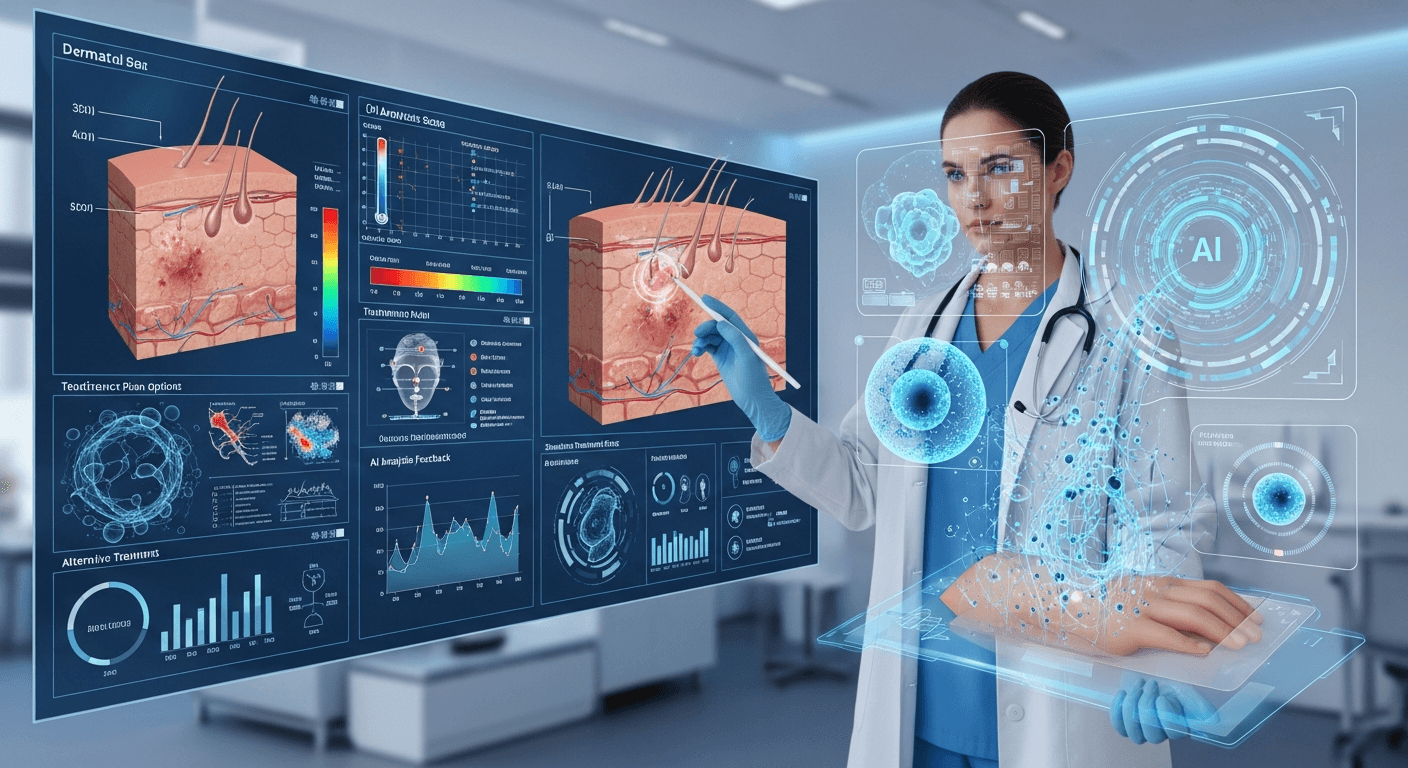
While AI primarily revolutionizes diagnostics, it also plays an increasingly important role in supporting new treatment methods and technologies. AI can assist doctors in creating individualized treatment plans by analyzing large datasets of patient cases and treatment outcomes. This is particularly relevant in psoriasis therapy or the selection of biologics, where AI can identify patterns that are crucial for predicting the effectiveness of specific therapies.
Another area is digital dermatopathology. The combination of AI with digital imaging of tissue samples enables more precise and faster analysis. AI systems can detect tumor cells at the histological level and assist in the diagnosis of melanoma metastases in lymph nodes. A study, for example, showed the high sensitivity and specificity of deep learning models in automated basal cell carcinoma detection in histological images (PubMed). In cosmetic dermatology, AI systems can also help diagnose wrinkles, determine precise injection sites and amounts for fillers, and even pre-calculate the 3D result of the treatment.
Non-Invasive Diagnostics: 3D Whole-Body Scanners and Confocal Optical Coherence Tomography
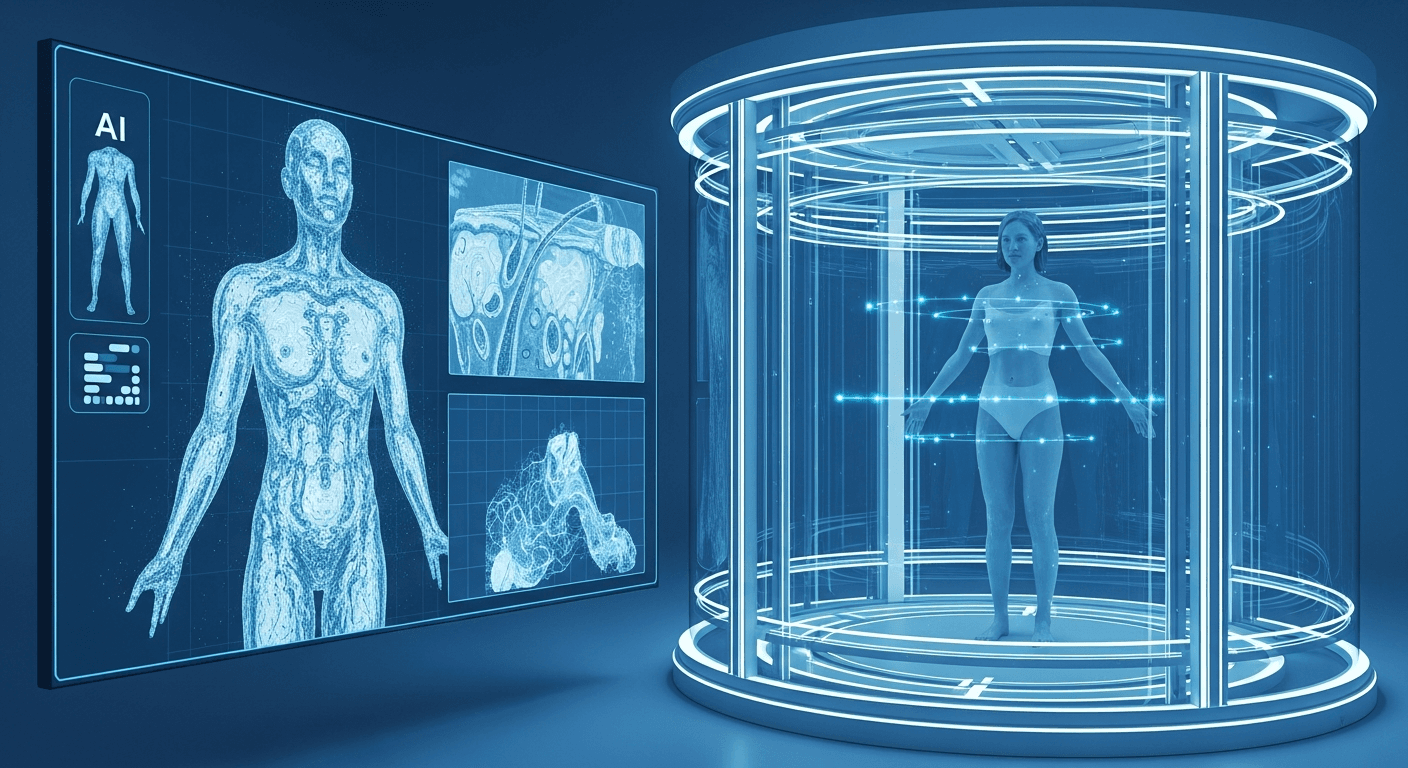
The use of AI in conjunction with non-invasive imaging technologies is a growing area that significantly improves skin cancer screening:
- 3D Whole-Body Scanners: These advanced systems capture the entire skin surface with a single shot, including hard-to-reach areas like armpits or soles of the feet. AI analyzes these images, identifies suspicious skin changes, and creates a 'city map' of moles, which is used for follow-up. This significantly reduces effort for patients and staff and delivers reliable results that approach the sensitivity and specificity of experienced dermatologists (Deutsches GesundheitsPortal).
- Confocal Optical Coherence Tomography (LC-OCT): This technology enables high-resolution and deep imaging of the uppermost skin layers without invasive procedures. In combination with AI, the probability and extent of a carcinoma can be calculated from the skin tomography, which is equivalent to a non-invasive biopsy. This offers a valuable opportunity for precise diagnosis without immediately resorting to surgical intervention.
These technologies represent a quantum leap in early skin cancer detection, expanding early detection capabilities while increasing patient comfort.
Telemedicine and Teledermatology: AI as a Bridge to Better Care
Ep 127: Will AI Replace Dermatologists? A Deep Dive with Dr. Steven Feldman
AI plays a transformative role in teledermatology, which provides remote medical services through telecommunication technology. Patients can upload digital images of their skin changes, and AI-powered platforms can provide an initial assessment before a dermatologist makes the final diagnosis. This improves access to dermatological expertise, reduces waiting times and travel, especially in rural areas or where there is a shortage of doctors (PubMed).
For example, DFKI developed 'SkinDoc', a prototype AI-supported teledermatology app for smartphones that enables a precise and understandable assessment of skin lesions. The S2k guideline 'Teledermatology' of the AWMF confirms the growing importance of these applications and calls for systematic evaluation. By combining AI and teledermatology, early skin cancer detection becomes more accessible and efficient, potentially saving more lives.
AI Beyond Skin Cancer: Further Applications in Dermatology
AI is not limited to skin cancer diagnostics. Its capabilities in image analysis and pattern recognition make it a versatile tool for a wide range of other dermatological problems. It can assist in the detection and differentiation of skin conditions such as acne, eczema, fungal infections, scabies, superficial skin infections, dryness, or pigmentation disorders (MDPI). The multimodal PanDerm system can differentially diagnose a wide range of dermatological conditions, including neoplasms, inflammatory, and genetic skin diseases.
AI is also increasingly used in cosmetic dermatology. Here, it supports skin diagnostics by determining parameters such as hydration level, sebum production, and epidermal thickness. AI systems assist in wrinkle analysis, detect skin color changes, and can even generate treatment suggestions and help with cost planning. Even in pharmacies, AI tools are used for skin analysis to provide personalized care recommendations, although they are not currently allowed for medical diagnoses.
Challenges and Limitations: Where AI Still Reaches Its Limits
Despite the impressive progress and immense potential of AI in dermatology, there are still important challenges and limitations that need to be addressed:
- Data Quality and Bias: The accuracy of AI heavily depends on the quality and representativeness of the training data. A bias, e.g., towards lighter skin types, can lead to reduced accuracy in darker skin types, as already mentioned.
- Rarer Entities: AI models classify rarer skin diseases less effectively due to insufficient training images. For very rare or atypical lesions, human expertise remains irreplaceable.
- Image Artifacts: Surgical markings, hair, or other image artifacts can lead to misdiagnoses if the AI has not been specifically trained to ignore or compensate for them.
- Clinical Context: AI systems cannot always fully consider the comprehensive clinical context (e.g., patient history, comorbidities, patient preferences). This always requires integrating AI results into the overall picture, which only a doctor can assess.
- Costs: The use of advanced AI-powered systems such as 3D Total Body Photography (TBP) can currently generate higher costs compared to standard procedures, and cost coverage by health insurance companies is not always guaranteed.
These limitations underscore that AI should function as an assistive system and not as the sole decision-maker in dermatology (esanum).
Artificial intelligence is a powerful tool to aid diagnosis, but it never replaces the clinical judgment and expertise of a qualified dermatologist. A definitive diagnosis and treatment decision must always be made by an experienced doctor.
Patient-Oriented Benefits: A New Era of Skin Health
For patients, the use of Artificial Intelligence in dermatology offers a range of potential benefits that can fundamentally improve skin health care:
- Faster and More Precise Diagnostics: AI systems can analyze skin changes faster and often more precisely than the human eye. This is crucial for the early detection of skin cancer, as early diagnosis significantly improves cure rates (DKFZ Cancer Information Service).
- Improved Access to Care: Through teledermatology, patients can access dermatological expertise regardless of location, reducing waiting times and travel, especially in underserved regions.
- Comprehensive Prevention: AI-supported whole-body scanners enable comprehensive documentation of the entire skin surface, facilitating the monitoring of moles and the detection of new lesions.
- Reduced Waiting Times: The efficiency of AI diagnostics can reduce waiting times for specialist appointments.
- Avoidance of Unnecessary Procedures: More precise AI diagnosis can help to avoid unnecessary biopsies or operations on benign lesions.
- Increased Trust through 'Explainable AI': Newer XAI systems, which make their diagnostic decisions transparent and provide visual justifications, can strengthen patients' trust in the technology and the resulting diagnosis.
These benefits underscore AI's potential to make patient care not only more efficient but also more accessible and trustworthy.
The Human Element Remains Crucial: The Role of the Dermatologist in the Age of AI
AI in Dermatology: Emerging Insights and Diverging Perspectives
Although the advances in Artificial Intelligence in dermatology are impressive, the human expert, the dermatologist, remains at the heart of patient care. AI systems are designed as support tools, not as replacements. The best diagnostic accuracy is achieved through the combination of 'human with machine' – also known as augmented intelligence (NCT Heidelberg). The physician's expertise, clinical eye, experience with rare cases, and ability to evaluate the entire clinical context cannot be replaced by AI.
AI can act as a 'second reader' that highlights potential lesions or provides an additional opinion, helping the doctor to confirm or reconsider their diagnosis (BVDD). Professional societies such as the German Dermatological Society (DDG) emphasize the importance of high-quality training data for AI and the systematic evaluation of AI results, as also demanded by the AWMF. The integration of AI systems into clinical practice must go hand in hand with continuous training of medical professionals and a critical examination of the possibilities and limitations of the technology.
Medical Guidelines and Recommendations: The Path to AI Integration
The integration of Artificial Intelligence into official medical guidelines, such as the AWMF or S3 guidelines in Germany, is an ongoing process. This process takes time due to the necessary comprehensive validation and evidence generation. Guideline authorities must thoroughly evaluate the clinical relevance, safety, and cost-effectiveness of these technologies before broad recommendations can be issued. First deep learning networks like 'Moleanalyzer pro' (Fotofinder Systems GmbH) have already received market approval in Europe, indicating impending broader acceptance that will also be reflected in guidelines.
Current S2k guidelines, such as the 'S2k-Guideline Basal Cell Carcinoma of the Skin (Update 2023)', primarily address established diagnostic and therapeutic methods. However, it is expected that the rapid developments in AI will increasingly be considered in revisions and new versions of guidelines. Interdisciplinary expert groups developing guidelines for diseases such as squamous cell carcinoma already consider the current state of the art and continuously revise the guidelines. The German Dermatological Society (DDG) and other professional societies are closely monitoring developments and will publish position papers and recommendations on the safe and effective use of AI in dermatology in the coming years.
Conclusion and Outlook: The Future of Skin Health with AI
Artificial Intelligence has the potential to fundamentally transform dermatological care. From precise early skin cancer detection to personalized therapy planning and improved access to care through teledermatology – the benefits are diverse. Current studies prove the impressive accuracy of AI systems, which is comparable to or even surpasses the expertise of experienced dermatologists. At the same time, developments such as Explainable AI (XAI) strengthen the trust of medical professionals and promote the acceptance of the technology.
Challenges, particularly with regard to data bias and the consideration of the overall clinical context, are continuously being addressed. It is clear that the future lies in augmented intelligence, where the strengths of humans and machines are synergistically used. AI will not replace the dermatologist but will make them an even more effective advocate for skin health. For patients, this means an era of faster, more precise, and more accessible diagnostics, ultimately leading to better treatment outcomes and a higher quality of life.
We stand at the threshold of a new era of skin health, in which digital tools and AI-powered solutions like those from DermCheck will play a crucial role in combating skin cancer and other dermatological diseases more effectively and raising awareness for preventive measures. Continuous research and development will ensure that these technologies are used for the benefit of all.
This blog post provides comprehensive information on current research and developments in the field of Artificial Intelligence in dermatology. It is not a substitute for professional medical advice, diagnosis, or treatment. For health concerns or questions about skin health, a qualified doctor or dermatologist should always be consulted. The AI systems described here serve as support for specialists.
Quellen & Studien (40)
- juderm.de
- ecancer.org
- springermedizin.de
- forschung-und-wissen.de
- dkfz.de
- der-niedergelassene-arzt.de
- journalonko.de
- thieme.de
- management-krankenhaus.de
- journalonko.de
- medonline.at
- unibas.ch
- mdpi.com
- nih.gov
- radio-strahlentherapie.de
- hautarztcentrum.de
- nvkh.de
- onko-portal.de
- krebsdaten.de
- onko-portal.de
- gelbe-liste.de
- aerzteblatt.de
- bayern.de
- doccheck.com
- gelbe-liste.de
- hautarzt-itzehoe.de
- apollohospitals.com
- krebshilfe.de
- onko-portal.de
- rosenfluh.ch
- muenchen-klinik.de
- deutschesgesundheitsportal.de
- krankenhaus-it.de
- pharmazeutische-zeitung.de
- merkur.at
- drtischler.de
- biermann-medizin.de
- dfki.de
- usz.ch
- skinive.com