Skin Cancer Prevention in Children: UV Protection & Sunburn Risks
Learn why UV protection is crucial for children. This article covers risks, prevention, and the role of AI screening at DermCheck.
Megjelent: 2026-03-16 · DermCheck Editorial
Ez a cikk mesterséges intelligencia segítségével készült.
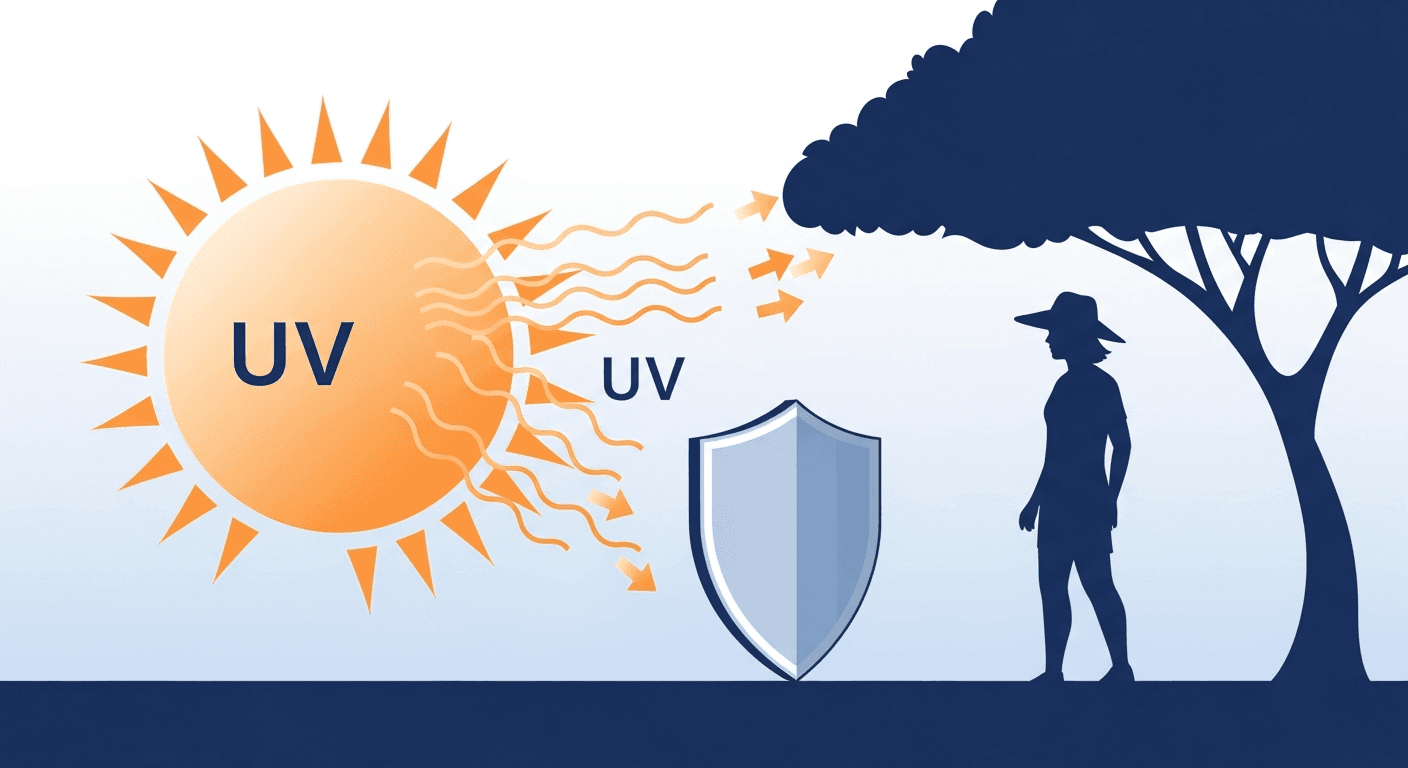
Our Children's Delicate Skin – A Treasure That Needs Protection

Our children's skin is a marvel of nature: delicate, sensitive, and still developing. However, this very sensitivity makes it particularly vulnerable to the harmful effects of ultraviolet (UV) radiation. What many parents don't realize is that the foundation for later skin cancer often begins in childhood. Every sunburn a child experiences is a serious injury that significantly increases the risk of developing skin cancer in adulthood. As an SEO expert and medical writer, our goal is to comprehensively inform you about the risks and provide practical strategies for effective UV protection to ensure your children have healthy skin in the future.
The World Health Organization (WHO) emphasizes the need to particularly protect children and adolescents from UV radiation, as their skin is more susceptible, and a longer life expectancy means harmful effects accumulate over decades. The United Nations Office for Disaster Risk Reduction (UNDRR) also highlights the importance of preventive measures against the negative impacts of UV radiation. In this article, we delve deep into the subject, exploring current studies, medical guidelines, and innovative technologies like DermCheck's AI-powered skin cancer screening to enable a healthy skin future for your children.
Why Childhood Sunburns Are So Dangerous: A Long-Term Perspective
Skin never forgets a sunburn – this phrase is not an empty cliché but a scientifically proven truth, especially concerning delicate children's skin. Every sunburn suffered during childhood and adolescence significantly increases the lifetime risk of developing skin cancer. Current studies show that the risk for malignant melanoma (black skin cancer) can increase two to threefold if severe sunburns occurred at a young age. Children's skin has not yet fully developed its natural protective mechanisms, and its melanocytes react particularly sensitively to UV damage.
A pioneering study from 2023, published in the National Institutes of Health (NIH) / PMC, investigated the causal link between childhood sunburns and the risk of cutaneous melanoma using Mendelian randomization, further strengthening this connection. UV radiation damages the DNA of skin cells, and these damages can accumulate over years. While an adult's body is often capable of repairing some of these damages, children's repair capacity is not as efficient. This leads to persistent cell damage and the accumulation of mutations over a lifetime, which can lead to the development of skin cancer. Parents and caregivers must be aware of these long-term consequences to take preventive measures seriously and comprehensively protect their children.
Every sunburn in childhood is a lasting damage to skin cells and significantly increases the risk of skin cancer in adulthood. Even single, severe sunburns are problematic.
The Alarming Reality: Current Skin Cancer Statistics in Children and Adolescents
Sun Safety 101: Melanoma Awareness for Youth
Although skin cancer is primarily an adult disease, current epidemiological data show worrying trends that also affect the younger population. According to the report "Cancer in Germany for 2021 – 2023" from the Centre for Cancer Registry Data (ZfKD) at the Robert Koch Institute (RKI), the number of inpatient treatments for black skin cancer in Germany has risen to 25,957, an increase of 21 percent since 2005. For white skin cancer, the case numbers in the same period increased from 44,277 to 90,988.
Although malignant melanoma is rare in children and adolescents, it accounts for about 3 percent of all cancers in this age group in the United States. Globally, the incidence of pediatric melanoma is 2 to 5 cases per million. Interestingly, in the USA, there was an average annual increase of 1.7% in melanoma incidence in children between 1975 and 1994, followed by a decrease of 0.6% annually from 1995 to 2014, possibly indicating improved prevention measures. However, the numbers remain alarming enough to underscore the importance of preventive strategies. Preventing skin cancer at a young age is crucial to reducing the long-term health burden, as also emphasized by the RKI in a study on skin cancer epidemiology.
Skin Cancer in Children: Rare but Significant – Risk Factors in Detail
Although malignant melanoma is rarer in children than in adults, it is important to know the specific risk factors that increase the likelihood of developing the disease at a young age. The German Cancer Research Center (DKFZ) points out that, in addition to UV exposure, other factors play a role.
Key risk factors include:
- Skin Type: Children with fair skin, blonde or red hair, blue or green eyes, and many freckles are more prone to sunburn and have a higher risk. Their skin tans poorly and reacts more sensitively to UV radiation.
- Numerous Pigmented Moles (Nevi): A high number of moles (over 40) increases the risk of melanoma by 7 to 15 times, and by as much as 34 times for over 100 nevi. The presence of atypical or large (> 5 mm diameter) nevi is also a warning sign.
- Family History: A melanoma diagnosis in the immediate family (parents, siblings) increases the child's risk, as a genetic predisposition may exist. Approximately 10 percent of melanomas are hereditary.
- Congenital Nevi (Birthmarks): Large or giant congenital nevi, in particular, pose a significant risk. The risk increases with the diameter of the nevus, and melanomas associated with such nevi often develop before puberty. For nevi over 20 cm in diameter, the median age of diagnosis is 7 years.
- Weakened Immune System: A compromised immune system, for example, due to medication after organ transplantation, can increase the risk of non-melanoma skin cancer.
Parents should be aware of these factors and pay particular attention to their children. The DKFZ's Cancer Information Service provides detailed information on this topic.
Medical Guidelines as a Compass: S3 Recommendations for Children's UV Protection
Preventing skin cancer, especially in the youngest members of our society, is a central concern in dermatology. Medical guidelines, above all the comprehensive S3 guideline on skin cancer prevention, provide a clear framework for effective protective measures. These guidelines, spearheaded by the German Cancer Society and German Dermatological Society, naturally consider the special protection needs of children.
Leading health organizations such as the German Cancer Aid, the Federal Ministry of Health (BMG), and pediatricians on the internet adapt these overarching recommendations for pediatric practice. The German Cancer Aid's Health Guideline for Skin Cancer Prevention summarizes the most important points in a patient-friendly way. The European Skin Cancer Foundation (ESCF) also publishes global UV protection recommendations specifically aimed at fair-skinned individuals and children.
The core messages of these guidelines are consistent: consistent sun protection is the best protection. This means avoiding the midday sun, wearing protective clothing, and properly applying suitable sunscreens. Adhering to these recommendations is crucial to protect delicate children's skin from the long-term consequences of UV radiation.
Sun Protection for Babies (under 1 year): Direct Sun is Absolutely Taboo
Sun Protection For Children - Daily Do's of Dermatology
For the youngest, the strictest rules apply regarding sun protection, as the skin of babies under one year is extremely thin and has almost no self-protection mechanisms against UV radiation. The primary and most important rule is: Babies under one year should not be exposed to direct sunlight! Their stay should be exclusively in the shade, and even there, additional protection is essential.
Specific recommendations for infants:
- Prefer Shade: Use strollers with sun sails or umbrellas. Your baby is also better protected under trees or parasols. Note that UV radiation is reflected even in the shade and can reach from below.
- Protective Clothing: Dress your baby in light, loose-fitting, and preferably UV-protective clothing that completely covers arms and legs. A wide-brimmed sun hat that protects the face, ears, and neck is indispensable.
- Avoid Sunscreen: Sunscreen should be avoided for infants under 12 months. The effect of chemical UV filters on delicate baby skin has not been sufficiently studied, and mineral filters could also be problematic for extremely thin skin. Clothing and shade are the only safe protective measures at this age, as emphasized by the BZgA on kindergesundheit-info.de and the German Cancer Aid.
Strict adherence to these rules is the best way to protect your baby's delicate skin from harmful UV rays and their long-term consequences.
Inform yourself daily about the current UV index. Protective measures are necessary starting from a value of 3. Many weather apps or the Federal Office for Radiation Protection (BfS) website provide this information.
Sun Protection for Toddlers and Schoolchildren: Everyday Tips for Parents
UV-Schutz-VideoClip für Grundschulkinder - Unterwegs mit Anna und Max
For children aged one year and older, parents can and should apply a combination of strategic behavior, protective clothing, and suitable sunscreens. The focus remains on avoiding the midday sun and consciously planning outdoor activities. The Professional Association of Paediatricians (BVKJ) provides important recommendations on this.
Here are the most important everyday tips for effective sun protection:
- Avoid Midday Sun: UV radiation is most intense between 11 AM and 3 PM. Plan outdoor activities for the morning or late afternoon. During this time, children should stay indoors or in deep shade.
- Actively Seek Shade: Encourage children to play in shaded areas. Protection is best under trees, parasols, or special sun sails. Remember that UV radiation is also reflected, for example, by water, sand, or snow.
- Clothing as Primary Protection: Long-sleeved shirts, long trousers, and headgear with neck protection are essential. For longer outdoor stays, especially near water, special UV protective clothing with a UPF (Ultraviolet Protection Factor) of at least 30 is recommended.
- Be a Role Model: Children learn by imitation. If you consistently apply sun protection measures yourself, it will become normal for your children. Show them that sun protection is cool and important.
- Hydration: Ensure your children drink enough water in warm weather and sun exposure to prevent dehydration.
These measures are easy to implement and form the basis for effective UV protection in everyday life. The DKFZ points out that paediatricians have long been advocating for better UV protection for children. With these tips, you actively contribute to your children's skin health.
Choosing the Right Sunscreen: Mineral or Chemical?
For children aged one year and older, sunscreens are an important part of UV protection, complementing clothing and shade. But what type is the best choice for delicate children's skin? There are fundamentally two types of UV filters: mineral (physical) and chemical (organic) filters. The official health portal of German pharmacists, aponet.de, provides practical tips on this.
Mineral sunscreens are based on zinc oxide and/or titanium dioxide. These particles sit on the skin like a mirror and reflect UV radiation. They do not penetrate the skin but work purely physically. Therefore, they are often the preferred choice for sensitive skin and toddlers, as they are less likely to cause allergic reactions. A disadvantage can be the white film they leave on the skin.
Chemical sunscreens absorb UV radiation and convert it into heat. They are absorbed into the skin and provide transparent protection. For children, products that contain a broad spectrum of UVA and UVB filters and are water-resistant should be chosen. A sun protection factor (SPF) of at least 30, preferably 50+, is recommended.
Important application tips:
- Apply generously: Don't be sparing! A walnut-sized amount for the face, and proportionally more for the whole body.
- Apply in time: Apply at least 20-30 minutes before sun exposure so that the effect can unfold.
- Reapply regularly: Reapply every two hours, and after every swim, towel dry, or heavy sweating. This is crucial to maintain protection.
Regardless of the type of sunscreen you choose, it is important that it is tailored to the needs of children's skin and is applied regularly. The DKFZ's Cancer Information Service also offers more information on UV protection.
It's a common misconception that frequent reapplication extends the duration of sunscreen protection. Reapplication merely maintains the stated SPF, especially after swimming or heavy sweating.
UV Protective Clothing and Accessories: More Than Just Fashion
In addition to avoiding the midday sun and using sunscreens, protective clothing is the most effective sun protection for children. It provides a reliable barrier against UV rays and, unlike creams, does not need to be reapplied.
What to look for in UV protective clothing and accessories:
- UV Protective Clothing (UPF): Special UV protective clothing is rated with an Ultraviolet Protection Factor (UPF). A UPF of 30 or higher is recommended. This clothing is woven to block a high percentage of UV radiation, often even when wet. It is ideal for long periods of outdoor play, especially on the beach or by the pool.
- Wide-brimmed Hats: Headgear is indispensable. Look for hats with a wide brim that covers not only the face but also the ears and neck. Baseball caps protect the forehead but leave the ears and neck uncovered, which is a common problem.
- Sunglasses with UV Protection: Children's eyes are also very sensitive. Sunglasses with 100% UV protection (often marked with "UV 400" or "CE mark") are important to protect the lenses and retina from inflammation and long-term damage such as cataracts. Look for models that fit well and do not slip easily.
The Federal Office for Radiation Protection (BfS) and the Federal Ministry of Health (BMG) equally emphasize the importance of these protective measures. By combining smart clothing and accessories, you offer your child the best possible protection without restricting outdoor fun.
Sunburn in Children: First Aid and When a Doctor's Visit is Essential
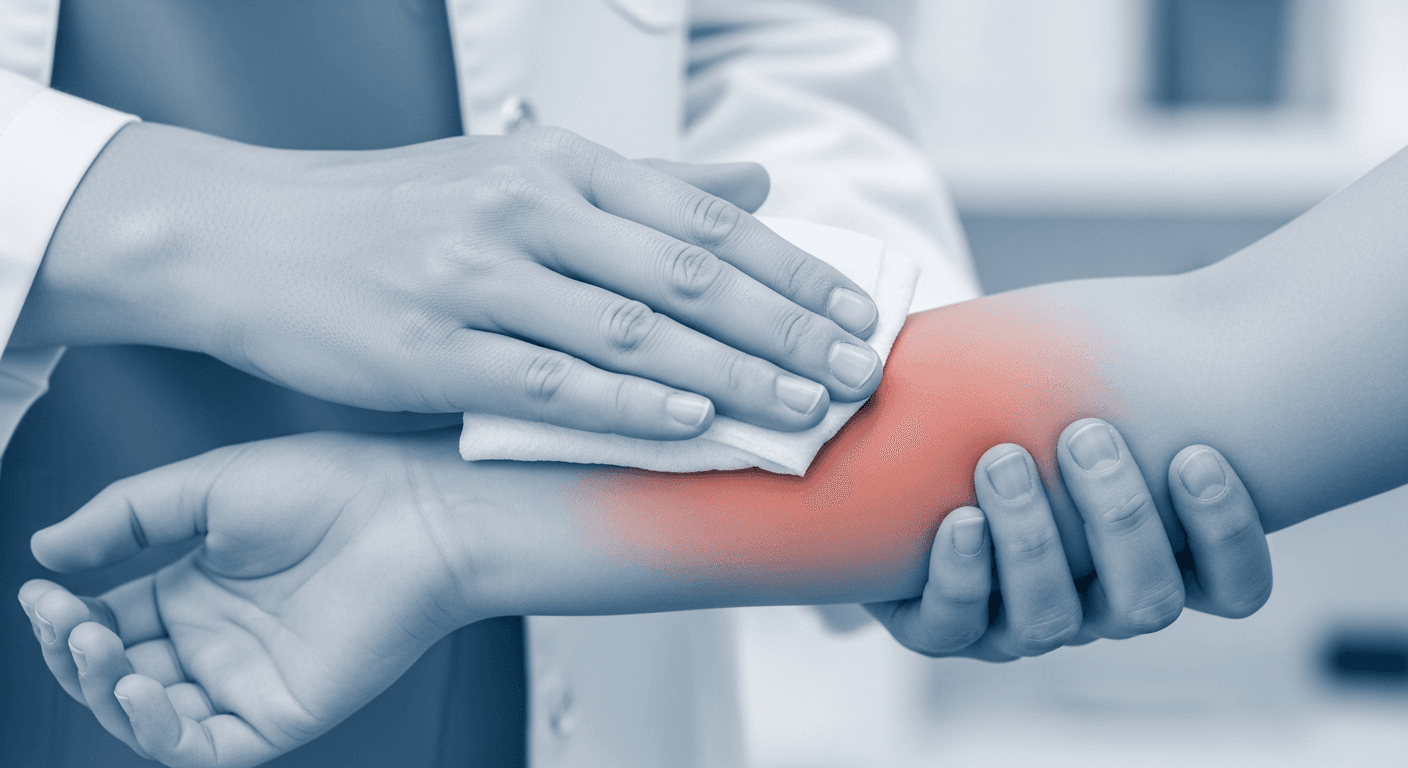
Despite all precautions, a child may sometimes suffer a sunburn. In such a case, quick and prudent action is required to alleviate symptoms and prevent further damage. The German Cancer Aid provides important advice on initial care.
First aid for sunburn:
- Immediately out of the sun: Bring the child immediately into the shade or indoors.
- Cooling: Cool the affected skin areas with moist, lukewarm compresses (e.g., cold tea, damp cloths) or special after-sun lotions containing aloe vera or dexpanthenol. Avoid greasy creams or home remedies such as butter/oil, as these can trap heat in the skin.
- Fluids: Give the child plenty to drink to prevent dehydration, as the skin loses a lot of fluid due to sunburn.
- Pain relief: For pain, age-appropriate painkillers (e.g., ibuprofen or paracetamol) can be given in consultation with a doctor or pharmacist.
When you should see a doctor:
A doctor's visit is essential if the sunburn is severe or certain symptoms occur:
- Blistering: Large or many blisters on the skin.
- Severe pain: If the child is suffering from severe pain that cannot be relieved by home remedies.
- Fever, chills, nausea, vomiting: These symptoms can indicate sunstroke or a severe systemic reaction.
- Headache or circulatory problems: Signs of heatstroke.
- Sunburn in babies: Any sunburn in an infant under one year is an emergency and requires immediate medical evaluation.
- Widespread sunburn: If a large part of the body is affected.
Do not hesitate to contact a pediatrician or emergency service in case of doubt. Your child's health is the top priority.
Seek immediate medical attention for blistering, severe pain, fever, chills, nausea, vomiting, circulatory problems, or if a baby under 1 year has a sunburn.
The Role of Artificial Intelligence (AI) in Early Skin Cancer Detection in Children
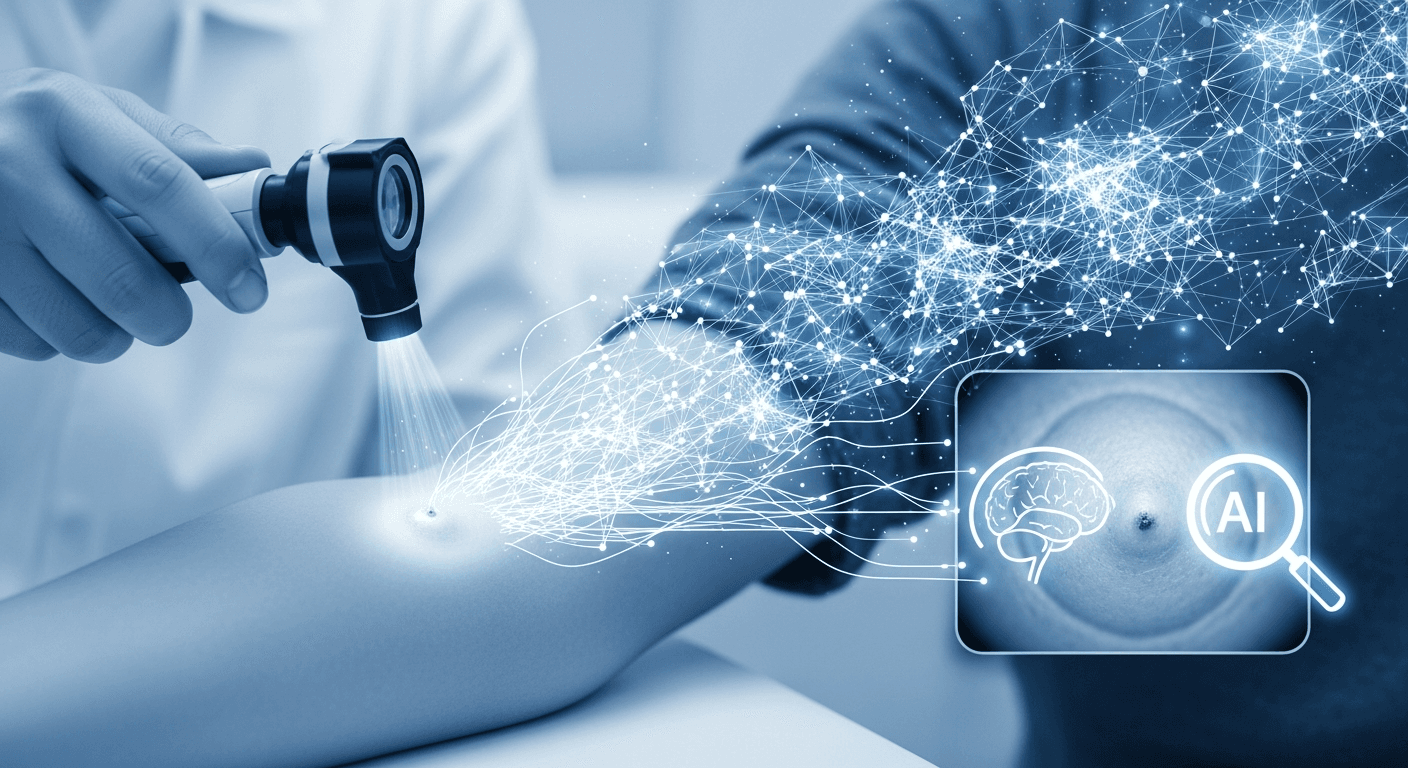
Early detection of skin cancer is crucial for successful treatment and a good prognosis. This is even more true for children, where melanomas often look different and can be harder to diagnose. This is where Artificial Intelligence (AI) comes in, revolutionizing dermatology and offering promising approaches for early detection that are gaining importance in the pediatric context as well.
AI algorithms can classify clinical and dermatoscopic images with high accuracy. They are trained to recognize patterns characteristic of specific skin cancer types and can assist dermatologists in diagnosis. Modern dermatoscopes connected to AI platforms offer a detailed view of skin lesions and use AI for analysis and evaluation. This enables improved differentiation between malignant and benign lesions with higher accuracy. AI is particularly helpful in assessing pigmented lesions and whole-body photography with risk assessment of conspicuous skin changes.
For children, for whom invasive biopsies often represent a greater burden, non-invasive diagnostic tools are advantageous. Techniques such as Confocal Laser Scanning Microscopy (CLSM) allow for detailed, non-invasive examination of skin lesions and can replace a biopsy in some cases. AI-powered systems can analyze this data and provide valuable decision support to doctors. Such advances are essential to detect rare or difficult-to-diagnose skin tumors, such as childhood melanomas, faster and more accurately.
DermCheck: How AI-Powered Digital Dermoscopy Supports Families
DermCheck is at the forefront of this technological development, offering families an innovative tool to support early skin cancer detection. Our AI-powered digital dermoscopy is designed to help parents and caregivers detect changes in their children's moles and skin lesions early and monitor them over time. This is particularly important because early detection of malignant melanoma significantly influences the prognosis.
The advantages of DermCheck for families:
- Easy Documentation: Parents can easily and in high resolution document suspicious moles or skin changes of their children with their smartphone.
- AI Analysis: Our advanced AI algorithms analyze the captured images and assess the potential risk of the lesion. This does not replace a doctor, but provides a valuable initial assessment.
- Progression Monitoring: Through regular recordings, changes can be tracked over time. The AI can detect subtle developments that might escape the human eye.
- Faster Access to Expertise: In case of increased risk or conspicuous changes, the documentation via DermCheck can be forwarded directly to a dermatologist. This enables a quicker specialist assessment and, if necessary, speeds up necessary appointments.
DermCheck is a valuable complementary tool for proactively managing your children's skin health. It aims to empower parents to be more attentive and to seek professional help more quickly when needed. Especially for families with increased risk factors, this can be a decisive advantage in providing a sense of security and bridging the gap between regular doctor's visits. A visit to the dermatologist is, of course, not replaced by using DermCheck, but it can significantly optimize the early detection process.
The ABCDE Rule and Beyond: What Parents Should Watch Out for in Moles
Regular monitoring of moles is an important part of skin cancer prevention. For adults, the so-called ABCDE rule is an established tool for detecting suspicious changes. Although this rule was primarily developed for adult melanomas, it can provide parents with an initial orientation to identify potential risk features in their children.
The ABCDE rule at a glance:
- A - Asymmetry: One half of the mole does not match the other.
- B - Border: The edges are irregular, ragged, or blurred.
- C - Color: The mole has different shades (e.g., black, brown, red, blue, white).
- D - Diameter: The diameter is more than 5 millimeters (pencil eraser size).
- E - Evolution: The mole has changed in size, shape, color, or causes itching, bleeding, or crusting.
However, it is important to note that melanomas in children can look different from those in adults. They often show Spitzoid-like features that can make diagnosis difficult. Sometimes classic ABCDE features are absent, and instead, rapidly growing, itching, or bleeding lesions may appear. Therefore, in case of uncertainty or the appearance of new, rapidly changing moles, immediate consultation with a dermatologist is always advisable. Regular professional skin checks, especially for children with many moles or a family history, are essential.
Recognizing Changes: The ABCDE Rule for Moles
The ABCDE rule is a proven scheme for self-monitoring moles and skin changes. It serves as an initial guide to distinguish potentially malignant pigmented lesions from benign ones. Although primarily developed for adults, parents can also use it to observe their children's skin. However, melanomas in children can sometimes exhibit atypical features that do not always fully fit the ABCDE scheme, which underscores the need for professional evaluation in case of any uncertainty. Nevertheless, knowing the ABCDE rule is an important step towards early detection.
The ABCDE Rule for Identifying Suspicious Moles
| Feature | Description | Significance |
|---|---|---|
| A | Asymmetry | The shape of the mole is uneven; it cannot be folded in half to match. |
| B | Border | The edges are irregular, blurred, jagged, or poorly defined. |
| C | Color | The mole has various colors or shades (e.g., light brown, dark brown, black, red, blue). |
| D | Diameter | The diameter is larger than 5 millimeters. Smaller, changing moles can also be suspicious. |
| E | Evolution | The mole has changed in size, shape, color, or elevation in recent months or years; it itches, bleeds, or crusts. |
The Future of Prevention: Research and Technological Advances
Research in skin cancer prevention and early detection in children is a dynamic field. The SunPass prevention program by the European Skin Cancer Foundation (ESCF) is an example of initiatives to raise awareness. A working group from the University Hospital Tübingen and the University of Tübingen received funding of 785,000 Euros in 2023 within the EU program HORIZON-MISS-2021-CANCER for an international research project. This project aims to investigate the mechanisms of melanoma development in children, adolescents, and young adults, as well as modern technologies for prevention and early diagnosis. This underscores the need for further research and improved prevention strategies in this vulnerable group.
In addition to AI-powered diagnostics, there are other promising technological advances: Digital total body photography and 3D imaging enable comprehensive capture and documentation of the entire skin surface. This is particularly useful for high-risk patients and allows for monitoring changes over time. Teledermatology offers low-threshold access to dermatological expertise, allowing patients to securely send skin images to doctors, which is particularly beneficial in rural areas. Smartphone apps for skin cancer screening, such as SkinScreener, a certified medical device, can also serve as an initial guide, but do not replace a doctor's visit. A scientific review study on Sun Safety Interventions in Children demonstrates the effectiveness of educational programs.
These developments are crucial for refining prevention strategies and improving early detection, thereby further increasing survival rates for skin cancer, especially in children. A study on the efficiency of health education in children regarding sun protection emphasizes the importance of such efforts.
Conclusion: Together for a Sun-Safe Future for Our Children
Skin cancer prevention is an investment in the health and future of our children, beginning in their very first years of life. Children's delicate skin reacts extremely sensitively to UV radiation, and every sunburn in childhood significantly increases the risk of developing skin cancer later in life. It is our collective responsibility – as parents, caregivers, and medical professionals – to implement consistent and well-considered protective measures.
Adhering to simple but effective rules such as avoiding the intense midday sun, wearing protective clothing, correctly applying age-appropriate sunscreens, and actively seeking shade are the cornerstones of effective skin cancer prevention. The good news is that survival rates for pediatric melanomas are fortunately high, especially with early diagnosis. Early detection, often enabled by regular skin checks and parental vigilance, leads to a 5-year survival rate of up to 99 percent with prompt diagnosis.
Modern technologies, such as DermCheck's AI-powered skin cancer screening, complement these preventive measures by providing parents with a valuable tool to monitor their children's skin changes and, if necessary, seek professional help more quickly. Knowledge of the risks and consistent implementation of preventive measures are the best protection for delicate children's skin. Let's work together to ensure our children have a sun-safe and healthy future.
Important Medical Disclaimer: The information in this article is for general educational purposes only and is not a substitute for professional medical advice, diagnosis, or treatment by a physician. For health concerns or uncertainties regarding skin changes, always seek the advice of a qualified medical professional. AI-based tools like DermCheck are assistive tools, but they do not provide diagnoses and do not replace a doctor's visit.
Quellen & Studien (36)
- skincancer.org
- aerztezeitung.de
- krebshilfe.de
- unserehaut.de
- kinderaerzte-im-netz.de
- uni-tuebingen.de
- hautarztpraxis-mainz.de
- landkreis-karlsruhe.de
- gesundheit.gv.at
- krebshilfe.de
- kindergesundheit-info.de
- kinderkrankenhaus.net
- krebsinformationsdienst.de
- krebsliga.ch
- klima-mensch-gesundheit.de
- dasboep.de
- dm.de
- aimatmelanoma.org
- gesundheits-lexikon.com
- esanum.de
- kinderaerzte-im-netz.at
- apollohospitals.com
- hautarzt-schulz.de
- uni-luebeck.de
- gelbe-liste.de
- journalonko.de
- skincancer.org
- usz.ch
- kindergesundheit-info.de
- kinderaerzte-im-netz.de
- melanom-wissen.ch
- hipp.de
- krebsinformationsdienst.de
- torzicky.at
- skinscreener.com
- g-heat.de