Basalzellkarzinom: Häufigster Hautkrebs | DermCheck AI Screening
Entdecken Sie Ursachen, Symptome & moderne Therapien des Basalzellkarzinoms, dem häufigsten weißen Hautkrebs. Erfahren Sie, wie DermCheck die Früherkennung unterstützt.
Veröffentlicht am 2026-03-16 · DermCheck Redaktion
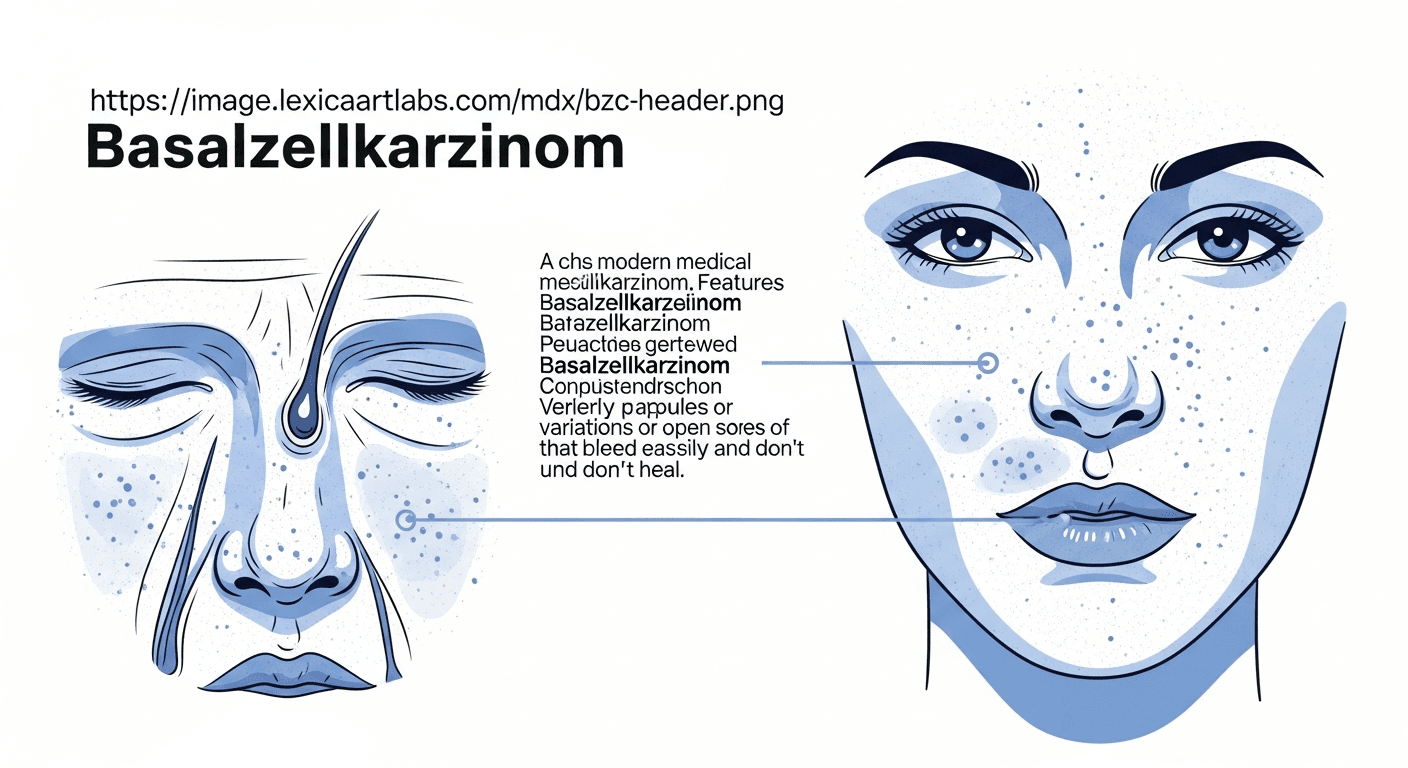
Einleitung: Basalzellkarzinom & DermCheck – Die Rolle der KI in der Hautkrebsvorsorge
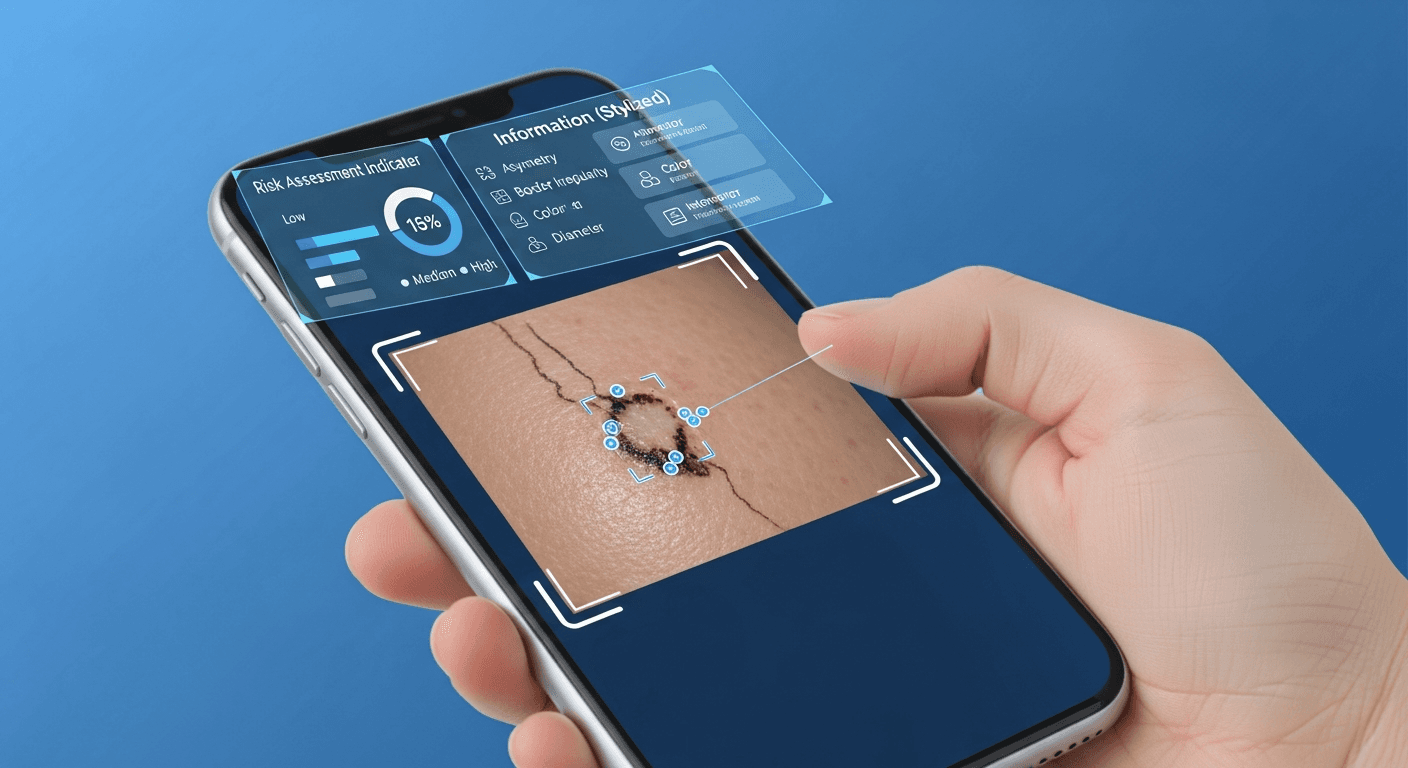
Dermatologist ultimate guide to Basal Cell Carcinoma
Als medizinischer Fachautor für DermCheck, einem innovativen KI-basierten Hautkrebs-Screening-Dienst, widmen wir uns heute einem der wichtigsten Themen der Hautgesundheit: dem Basalzellkarzinom (BZK). Oft noch unter dem veralteten Begriff „Basaliom“ bekannt, handelt es sich hierbei um die weltweit häufigste bösartige Neubildung der Haut. Es ist ein Typ des „weißen“ oder nicht-melanozytären Hautkrebses, dessen Bedeutung aufgrund seiner Häufigkeit und des Potenzials zur lokalen Gewebezerstörung nicht unterschätzt werden darf.
In diesem umfassenden Artikel beleuchten wir die aktuellen Erkenntnisse von 2023 bis 2026 zu Ursachen, Erkennung und modernen Behandlungsmethoden des Basalzellkarzinoms, basierend auf den neuesten wissenschaftlichen Studien und medizinischen Leitlinien. Wir werden detailliert auf die Rolle der Künstlichen Intelligenz in der Diagnostik eingehen und Ihnen zeigen, wie DermCheck als Ihr digitaler Begleiter eine frühzeitige Erkennung unterstützen kann. Unser Ziel ist es, Sie umfassend zu informieren und zu befähigen, aktiv zu Ihrer Hautgesundheit beizutragen.
Epidemiologie und Aktuelle Statistiken (2023-2026): Ein wachsendes Problem in Mitteleuropa
Das Basalzellkarzinom (BZK) stellt in Mitteleuropa den mit Abstand häufigsten malignen Tumor der hellhäutigen Bevölkerung dar. Seine klinische Relevanz ergibt sich aus seinem lokal infiltrierenden und destruierenden Wachstum, wohingegen eine Metastasierung glücklicherweise extrem selten beobachtet wird. Die kontinuierlich steigende Inzidenz macht das BZK zu einem immer wichtigeren Gesundheitsthema.
Laut aktuellen Statistiken beträgt die Inzidenz des Basalzellkarzinoms in Deutschland mindestens 200 Neuerkrankungen pro 100.000 Einwohner und Jahr. Es ist jedoch anzunehmen, dass diese Zahl die tatsächliche Häufigkeit unterschätzt, da viele Krebsregister primär nur das Erstauftreten eines BZK erfassen und multiple Tumoren bei demselben Patienten nicht immer vollständig registriert werden. Prognosen für die kommenden Dekaden deuten auf einen weiteren Anstieg der Inzidenz hin. Die Lebenszeitprävalenz für zentral- und nordeuropäische Ethnien wird auf über 10 % geschätzt, was bedeutet, dass mehr als jeder zehnte Mensch in seinem Leben einmal an einem Basalzellkarzinom erkranken wird. Diese Zahlen unterstreichen die Notwendigkeit einer verstärkten Prävention und Früherkennung.
Alters- und Geschlechterverteilung sowie Metastasierungsrisiko
Das Basalzellkarzinom tritt typischerweise im höheren Lebensalter auf. Das mittlere Erkrankungsalter in Deutschland liegt laut Daten der Krebsregister bei etwa 73 Jahren für Männer und 71 Jahren für Frauen, wobei Männer tendenziell etwas häufiger betroffen sind. Beunruhigenderweise wird in den letzten Jahren eine Tendenz zu einem früheren Erkrankungsbeginn beobachtet, insbesondere bei Frauen. Dies könnte mit veränderten Sonnenexpositionsgewohnheiten zusammenhängen und unterstreicht die Wichtigkeit der Aufklärung auch bei jüngeren Bevölkerungsgruppen.
Ein charakteristisches Merkmal des Basalzellkarzinoms, das es von anderen Hautkrebsarten wie dem Melanom unterscheidet, ist seine äußerst seltene Metastasierungsneigung. Die geschätzte Inzidenz einer Metastasierung liegt lediglich zwischen 0,0028 % und 0,55 % der Fälle. Tritt eine Metastasierung jedoch ein, ist sie mit einer deutlich erhöhten Mortalität verbunden. Die mittlere Überlebenszeit beträgt bei isolierter lymphogener Metastasierung etwa 87 Monate und bei hämatogener Metastasierung lediglich 24 Monate. Bevorzugt betroffen sind dann Muskulatur, Knochen, Lunge und Lymphknoten. Dies verdeutlicht die immense Bedeutung der frühzeitigen Erkennung und einer adäquaten lokalen Therapie, um dieses seltene, aber schwerwiegende Risiko zu minimieren. Weitere Informationen zur Häufigkeit und Definition von Hautkrebs finden Sie auf dem ONKO-Internetportal.
Ursachen und Risikofaktoren: UV-Strahlung als Haupttreiber

Die Entstehung eines Basalzellkarzinoms ist ein vielschichtiger Prozess, an dem verschiedene Faktoren beteiligt sind. Der mit Abstand bedeutendste und am besten erforschte Risikofaktor ist die ultraviolette (UV-)Strahlung, insbesondere in Form von Sonnenexposition. Intensive UV-Belastung, sei es chronisch über lange Jahre oder in Form von intermittierenden hohen Expositionsspitzen – vor allem schwere Sonnenbrände in der Kindheit und Jugend –, führt zu DNA-Schädigungen in den Basalzellen der Haut, die im Laufe der Zeit zu deren Entartung führen können.
Die Nutzung von Solarien stellt eine besonders hohe Gefahr für die Entwicklung von BZKs dar, da sie die Haut konzentrierter UV-Strahlung aussetzen. Auch Menschen, die sich beruflich einer sehr hohen UV-Exposition aussetzen, wie beispielsweise Bauarbeiter oder Landwirte, haben ein signifikant erhöhtes Risiko, ein BZK zu entwickeln (Odds Ratio 1,43; 95 % CI 1,23 - 1,66). Die kumulative UV-Dosis scheint hierbei eine entscheidende Rolle zu spielen. Daher ist ein konsequenter UV-Schutz die wichtigste Maßnahme zur Primärprävention des Basalzellkarzinoms. Die Deutsche Krebshilfe bietet umfassende Informationen zur Prävention von Hautkrebs, die Sie unbedingt beachten sollten.
Meiden Sie die pralle Sonne zwischen 10 und 16 Uhr. Tragen Sie Schutzkleidung, eine Kopfbedeckung und Sonnencreme mit LSF 30-50+. Verzichten Sie vollständig auf Solarien.
Genetische Prädisposition, Hauttyp und weitere Risikofaktoren
Neben der UV-Strahlung spielen auch genetische Faktoren eine Rolle bei der Entstehung des Basalzellkarzinoms. Menschen mit einem hellen Hauttyp (Hauttyp I und II nach Fitzpatrick), die sich durch eine geringe Pigmentierung der Haut auszeichnen und schnell Sonnenbrand bekommen, haben ein deutlich erhöhtes Risiko. Auch eine familiäre Vorbelastung, also das Vorkommen von Hautkrebs in der Familie, erhöht das individuelle Risiko.
Ein seltenes, aber bedeutendes Beispiel für eine genetische Prädisposition ist das Basalzellkarzinom-Syndrom, früher bekannt als Gorlin-Goltz-Syndrom oder Basalzellnävussyndrom. Diese autosomal-dominante Erkrankung geht mit der Entwicklung multipler BZK bereits in jungen Jahren einher, häufig aufgrund einer Mutation im PTCH1-Gen.
Weitere wichtige Risikofaktoren umfassen:
- Basalzellkarzinome in der Eigenanamnese: Patienten, die bereits ein BZK hatten, weisen ein signifikant erhöhtes Risiko auf, weitere primäre Basalzellkarzinome und andere epitheliale Malignome zu entwickeln. Eine entsprechende Information des DKFZ unterstreicht dies.
- Chronische Arsenexposition: Eine langjährige Belastung mit bestimmten Schadstoffen wie Arsen ist ein bekannter Risikofaktor.
- Ionisierende Strahlung: Exposition gegenüber ionisierender Strahlung, z.B. im Rahmen früherer Strahlentherapien, kann das Risiko ebenfalls erhöhen.
- Langjährige Immunsuppression: Ein unterdrücktes oder stark geschwächtes Immunsystem, etwa nach Organtransplantationen oder bei bestimmten Autoimmunerkrankungen, erhöht das BZK-Risiko erheblich.
- Narben und chronische Ulzerationen: Insbesondere in nicht-chronisch UV-exponierten Arealen können diese die Entstehung von BZK begünstigen, wie eine aktuelle Review-Studie hervorhebt.
- Medikamentöse Ursachen: Es gibt Hinweise, dass bestimmte Medikamente, wie das Diuretikum Hydrochlorothiazid (HCT), das Risiko für nicht-melanozytären Hautkrebs steigern könnten.
Frühzeitige Erkennung: Klinisches Bild und Dermatoskopie als Schlüssel
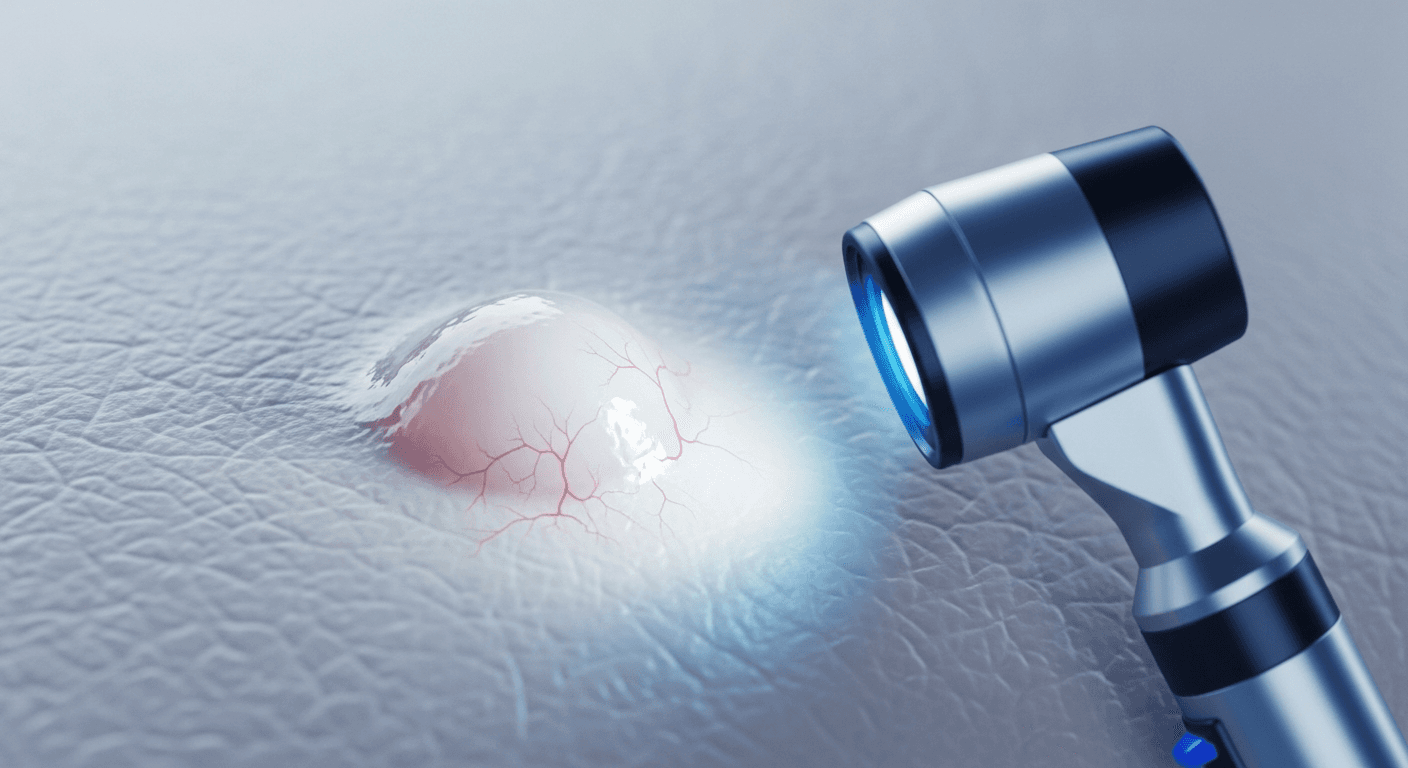
Basal Cell Carcinoma: Everything you need to know about the most common skin cancer #bcc #skincancer
Die frühzeitige Erkennung des Basalzellkarzinoms ist von größter Bedeutung für den Therapieerfolg, da es lokal destruierend wächst und im fortgeschrittenen Stadium umliegende Gewebsstrukturen, wie Knorpel oder Knochen, stark schädigen kann. Eine verspätete Diagnose kann komplexere Behandlungen und ästhetisch ungünstigere Ergebnisse zur Folge haben.
Die erste und wichtigste Methode zur Erkennung ist die klinische Inspektion der Haut. Basalzellkarzinome erscheinen oft als eine leicht transparente Beule mit einem glänzenden, perlschnurartigen Saum, die von feinen Äderchen (Teleangiektasien) durchzogen ist und im Zentrum ulzerieren kann (Ulcus rodens). Das klinische Erscheinungsbild ist jedoch äußerst variabel und umfasst verschiedene Formen wie noduläre (knotige), superfizielle (oberflächliche), sklerodermiforme (narbenähnliche), pigmentierte oder ulzerierte Typen. Diese Vielfalt macht die Diagnose oft herausfordernd und erfordert geschultes Personal.
Die Dermatoskopie ist ein unverzichtbares, nicht-invasives diagnostisches Verfahren in der Dermatologie. Mit ihr können verdächtige Läsionen unter zehnfacher Vergrößerung genauer beurteilt werden. Für die Diagnostik von Basalzellkarzinomen liegen die Sensitivität und Spezifität der Dermatoskopie jeweils über 90 %. Pigmentierte BZK zeigen dermatoskopisch oft graubraune bis grauschwarze Strukturen, die an ein Ahornblatt erinnern, während unpigmentierte Formen sich durch astförmig verzweigte Gefäßmuster auszeichnen. Dieses Verfahren verbessert die diagnostische Präzision erheblich und reduziert die Anzahl unnötiger Biopsien. Eine umfassende Darstellung zur Diagnostik finden Sie in diesem PubMed-Review.
Fortgeschrittene Diagnostik: Nicht-invasive bildgebende Verfahren
Neben der klinischen Beurteilung und Dermatoskopie kommen weitere nicht-invasive bildgebende Verfahren zum Einsatz, um die Diagnose des Basalzellkarzinoms zu unterstützen und insbesondere das Ausmaß des Tumors präoperativ zu beurteilen. Diese Technologien tragen dazu bei, die Behandlungsplanung zu optimieren und das Risiko eines Rezidivs zu minimieren.
Zu diesen Verfahren gehören:
- Konfokale Lasermikroskopie (CLM): Dieses hochauflösende Verfahren ermöglicht die In-vivo-Darstellung von Hautstrukturen auf zellulärer Ebene. Es kann dabei helfen, die Ränder eines Tumors präzise zu definieren und subtile Veränderungen zu erkennen, die mit dem bloßen Auge oder dem Dermatoskop nicht sichtbar sind.
- Optische Kohärenztomographie (OCT): Insbesondere die Light-Chain Optical Coherence Tomography (LC-OCT) hat sich als vielversprechend erwiesen. Eine prospektive Studie zeigte eine signifikant höhere Spezifität von LC-OCT gegenüber der Dermatoskopie bei gleicher Sensitivität für die Diagnostik von BZK. LC-OCT bietet eine Art „optische Biopsie“ und ermöglicht eine Tiefenbeurteilung des Tumors, was besonders für die Planung der Schnittränder wichtig ist.
- Hochfrequente Sonografie: Dieses Verfahren kann hilfreich sein, um die präoperative Bestimmung der seitlichen und tiefen Ausdehnung von BZK zu unterstützen. Es ist besonders nützlich bei größeren oder tiefer infiltrierenden Tumoren, um eine bessere Einschätzung der Tumorgrenzen vor einem chirurgischen Eingriff zu erhalten.
- Magnetresonanztomographie (MRT): Bei Verdacht auf perineurales Wachstum, also ein Wachstum des Tumors entlang von Nerven, ist die MRT mit fettgesättigten, hochauflösenden, kontrastverstärkten T1w-Sequenzen die Methode der Wahl. Obwohl ein kleinherdiges oder dünnschichtiges Tumorwachstum entlang kleinerer Nerven bildgebend schwer nachweisbar ist, kann die MRT bei größeren Infiltrationen wertvolle Informationen für die weitere Therapieplanung liefern. Informationen zu Symptomen und Diagnose bietet auch die Gelbe Liste.
Der Goldstandard: Die histologische Sicherung für definitive Diagnose
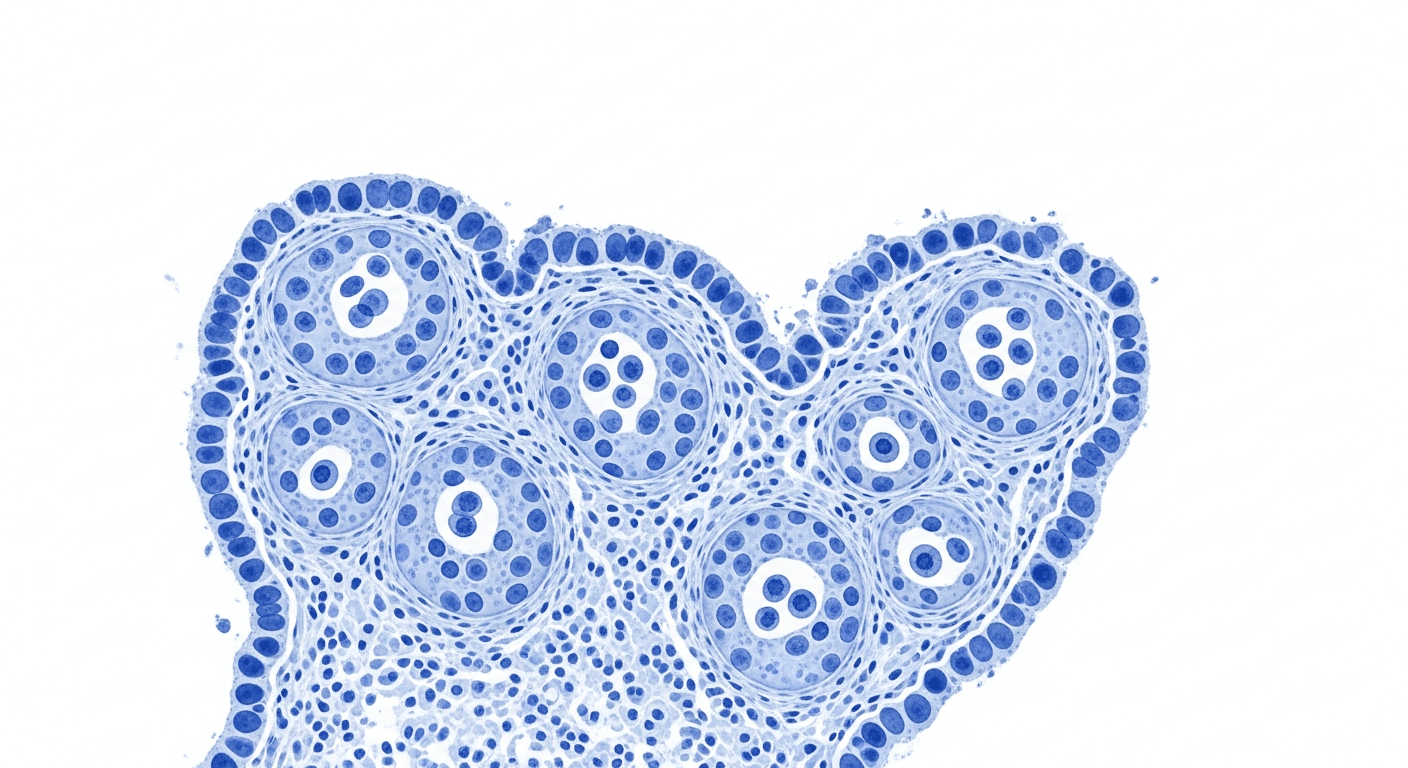
Trotz aller Fortschritte in der klinischen und nicht-invasiven bildgebenden Diagnostik bleibt die histologische Untersuchung der entnommenen Gewebeprobe der unumstößliche Goldstandard zur Diagnosesicherung des Basalzellkarzinoms. Dieses Verfahren ist obligat, das heißt zwingend erforderlich, um eine definitive Diagnose zu stellen und andere Hautläsionen auszuschließen.
Die Biopsie oder Exzision einer verdächtigen Hautveränderung liefert dem Pathologen das notwendige Gewebematerial, um unter dem Mikroskop die charakteristischen Merkmale von Basalzellkarzinomzellen zu identifizieren. Dazu gehören basaloide Zellen mit palisadenartiger Anordnung am Rand der Tumorzellnester, Spaltbildungen zwischen Tumor und Stroma sowie Mitosefiguren. Die histologische Untersuchung ermöglicht nicht nur die Bestätigung der Diagnose, sondern auch die genaue Klassifizierung des Tumors in seine verschiedenen Subtypen (z.B. nodulär, superfiziell, mikronodulär, infiltrativ, sklerodermiform). Diese präzise Subtypisierung ist entscheidend, da sie maßgeblich die Aggressivität des Tumors und somit die weitere Therapieplanung beeinflusst.
Darüber hinaus kann die histologische Untersuchung die vollständige Entfernung des Tumors im Gesunden – also mit tumorfreien Schnitträndern – bestätigen. Dies ist ein entscheidender Faktor für die Prognose und zur Minimierung des Rezidivrisikos. Die Bedeutung der histologischen Sicherung wird auch in den Europäischen Leitlinien zur Diagnose und Behandlung des Basalzellkarzinoms hervorgehoben.
Medizinische Leitlinien und Empfehlungen: Der AWMF-Standard 2023/2024
Die leitliniengerechte Versorgung von Patienten mit Basalzellkarzinom in Deutschland richtet sich nach den evidenzbasierten Empfehlungen der S2k-Leitlinie „Basalzellkarzinom der Haut“ (AWMF Registernummer: 032/021). Diese wurde zuletzt 2023 aktualisiert und ihre Version 9.0 ist im Januar 2024 in Kraft getreten. Sie wurde unter Federführung der Deutschen Krebsgesellschaft e.V. (DKG), der Deutschen Dermatologischen Gesellschaft (DDG) und der Arbeitsgemeinschaft Dermatologische Onkologie (ADO) erstellt. Der Status „S2k“ bedeutet, dass ein formaler Konsens unter den beteiligten Fachgesellschaften erzielt wurde, was ihre breite Akzeptanz und Relevanz unterstreicht.
Eine wichtige Neuerung in der Leitlinie ist die Betonung der Abkehr vom historischen Begriff „Basaliom“ hin zur korrekten Bezeichnung „Basalzellkarzinom“. Dies soll die potenzielle Aggressivität des Tumors hervorheben und eine Anpassung an den internationalen Sprachgebrauch darstellen. Für die Therapieentscheidung ist die Stadieneinteilung nach der TNM-Klassifikation nicht primär entscheidend. Stattdessen wird das Rezidivrisiko herangezogen, das anhand verschiedener Kriterien bestimmt wird, darunter die Lage des Tumors, sein Durchmesser, seine Begrenzung, das Vorhandensein eines früheren Rezidivs, eine vorausgegangene Strahlentherapie, der histologische Subtyp und ein etwaiges perineurales Wachstum.
Diese risikostratifizierte Herangehensweise ermöglicht eine individuellere und zielgerichtetere Therapie. Detaillierte Informationen und die vollständige Leitlinie sind auf der AWMF-Website verfügbar. Das HAUTKREBS-NETZWERK DEUTSCHLAND e.V. informiert ebenfalls über die überarbeitete Leitlinie.
Die S2k-Leitlinie 'Basalzellkarzinom der Haut' (AWMF 032/021) von 2023/2024 ist der maßgebliche Standard für Diagnose und Therapie in Deutschland.
Behandlung des Basalzellkarzinoms: Chirurgische Exzision als Goldstandard
Basal Cell Carcinoma: Symptoms, Diagnosis, Treatment | Mass General Brigham
Die Therapie des Basalzellkarzinoms ist vielfältig und muss individuell auf den Tumortyp, seine Größe und Lokalisation, die vorhandenen Risikofaktoren, den allgemeinen Gesundheitszustand des Patienten sowie dessen Präferenzen abgestimmt werden. Trotz der Entwicklung zahlreicher alternativer Methoden bleibt die chirurgische Entfernung des Tumors in den meisten Fällen die Therapie der ersten Wahl und der unumstrittene Goldstandard der lokalen Therapie.
Die operative Exzision zielt darauf ab, den Tumor vollständig im Gesunden zu entfernen, wobei die Schnittränder histologisch auf Tumorfreiheit überprüft werden. Bei Basalzellkarzinomen mit niedrigem Rezidivrisiko wird ein Sicherheitsabstand von 3 bis 5 mm empfohlen. Eine Heilungsrate von über 95 % kann mit dieser Methode erzielt werden. Bei Hochrisikotumoren, Tumoren in ästhetisch oder funktionell wichtigen Bereichen (z. B. der H-Zone im Gesicht: Nase, Augenlider, Lippen, Ohren) oder bei Rezidiven kommt die mikrographisch kontrollierte Chirurgie nach Mohs (Mohs-Chirurgie) zum Einsatz. Diese Technik ermöglicht eine maximale Tumorkontrolle bei gleichzeitig maximaler Schonung des gesunden Gewebes, indem schrittweise dünne Hautschichten entfernt und sofort mikroskopisch untersucht werden, bis alle Tumorzellen entfernt sind. Die Uniklinik RWTH Aachen bietet detaillierte Informationen zu diesem und weiteren Verfahren. Ein aktueller Überblick zu den verschiedenen Behandlungsmöglichkeiten wird auch im JOURNAL ONKOLOGIE gegeben.
Nicht-chirurgische und topische Therapien: Alternativen für ausgewählte Fälle
Für Niedrigrisiko-Basalzellkarzinome oder in speziellen klinischen Situationen, wie bei älteren, multimorbiden Patienten oder wenn eine Operation kontraindiziert ist, stehen verschiedene nicht-operative Verfahren zur Verfügung. Diese ermöglichen eine schonende Behandlung mit guten kosmetischen Ergebnissen:
- Strahlentherapie: Eine effektive Option, insbesondere bei inoperablen Tumoren, Patienten mit hohem Operationsrisiko oder an Stellen, an denen eine Operation zu erheblichen ästhetischen oder funktionellen Beeinträchtigungen führen würde.
- Topische Medikamente:
- Imiquimod 5%-Creme: Ein Immunmodulator, der die lokale Immunantwort aktiviert. Die Anwendung erfolgt typischerweise einmal täglich an 5 Tagen pro Woche über 6 Wochen und ist für superfizielle Basalzellkarzinome zugelassen.
- 5-Fluorouracil (5-FU) topisch: Ein lokales Chemotherapeutikum, das ebenfalls bei superfiziellen Basalzellkarzinomen eingesetzt wird, wenn eine chirurgische Entfernung nicht möglich oder erfolglos war.
- Photodynamische Therapie (PDT): Hierbei wird nach dem Auftragen eines Photosensibilisators (z.B. 5-Aminolävulinsäure oder Methylester) die Haut mit speziellem Licht bestrahlt, was zur selektiven Zerstörung von Tumorzellen führt. Sie wird bevorzugt bei dünnen, oberflächlichen Tumoren eingesetzt und ist eine Option bei Kontraindikationen gegen eine Operation.
- Kryochirurgie: Die Zerstörung von Tumorzellen mittels flüssigem Stickstoff durch kontrolliertes Einfrieren und Auftauen.
- Lasertherapie: Ablative oder nicht-ablative Laser können bei Niedrigrisiko-BZK angewendet werden, wenn andere Verfahren nicht infrage kommen.
Diese Methoden bieten valide Alternativen zur Chirurgie, deren Auswahl sorgfältig vom Dermatologen getroffen werden muss, wie auch das Wundwissen von Draco.de betont. Eine umfassende Übersicht zu Behandlungsmöglichkeiten bietet auch Gesundheitsinformation.de.
Systemische Therapien: Zielgerichtete Ansätze bei fortgeschrittenen Basalzellkarzinomen
Für lokal fortgeschrittene (lfBZK) oder metastasierte Basalzellkarzinome (mBZK), die aufgrund ihrer Ausdehnung oder Lokalisation nicht chirurgisch behandelt werden können oder bei denen eine Operation zu erheblichen Funktionseinschränkungen oder Mutilationen führen würde, stehen moderne systemische Therapieoptionen zur Verfügung.
- Hedgehog-Inhibitoren (HHI): Diese zielgerichteten Therapien haben eine neue Ära in der systemischen Behandlung eingeleitet. Der Hedgehog-Signalweg spielt eine zentrale Rolle in der Entstehung von BZK. Zugelassene Wirkstoffe sind Vismodegib und Sonidegib. Sie werden bei lokal fortgeschrittenem, tief in die Haut eindringendem oder wiederholt wiederkehrendem BZK sowie bei metastasiertem BZK eingesetzt, wenn andere Behandlungen nicht möglich sind. Auch bei multiplen Tumoren im Rahmen des Basalzellkarzinomsyndroms oder als neoadjuvante Therapie kommen sie infrage. Obwohl die Therapie nebenwirkungsreich und belastend sein kann, haben Studien eine signifikante Verbesserung der Lebensqualität gezeigt.
- Immuntherapie (Anti-PD1-Inhibitoren): Seit Februar 2021 ist in den USA Cemiplimab-rwlc (Libtayo®), ein Anti-PD1-Checkpoint-Inhibitor, zur Behandlung bestimmter Formen des fortgeschrittenen Basalzellkarzinoms zugelassen. In Deutschland hat sich die Zulassung von Anti-PD1-Inhibitoren als neue Option in der Zweitlinien-Therapie für lokal fortgeschrittene und metastasierte Tumoren (nach Hedgehog-Inhibitoren) etabliert. Diese Therapie nutzt die körpereigene Immunantwort, um Tumorzellen zu bekämpfen und hat das Potenzial, auch bei zuvor therapierefraktären Fällen anzusprechen.
Diese systemischen Therapien stellen einen bedeutenden Fortschritt in der Behandlung fortgeschrittener BZK dar und bieten Hoffnung für Patienten, die zuvor nur begrenzte Behandlungsoptionen hatten. Das ONKO-Portal liefert weitere Einblicke in diese innovativen Ansätze.
Hedgehog-Inhibitoren und Immuntherapien sind hochwirksam bei fortgeschrittenem BZK, können aber erhebliche Nebenwirkungen haben. Die Entscheidung sollte stets in Absprache mit einem spezialisierten Onkologen getroffen werden.
Innovative Behandlungsmethoden: Die Zukunft der BCC-Therapie (Rhenium-SCT)
Die medizinische Forschung schreitet stetig voran, und neue, vielversprechende Therapieansätze erweitern kontinuierlich das Spektrum der Behandlungsmöglichkeiten für das Basalzellkarzinom. Ein besonders innovativer Ansatz ist die Rhenium-SCT (Skin Cancer Therapy).
Rhenium-SCT mit Rhenium-188: Dies ist eine innovative, nicht-invasive Behandlungsmethode für nicht-melanozytären Hautkrebs, einschließlich Basalzellkarzinome. Bei dieser Therapie wird das Isotop Rhenium-188, das Beta-Strahlung aussendet, auf eine Spezialfolie aufgetragen und einmalig für 30 bis 180 Minuten auf die betroffene Hautstelle gelegt. Da die Strahlung nur wenige Millimeter tief in die Haut eindringt, wird gesundes umliegendes Gewebe optimal geschont. Eine internationale Studie (Stand Juli 2025) zeigte im Rahmen einer Zwischenauswertung bei 140 Patienten mit 185 oberflächlichen Hauttumoren eine vollständige Rückbildung bei 94,1 % der behandelten Läsionen nach zwölf Monaten. Die Behandlung ist ambulant, in der Regel schmerzfrei und wurde als sichere, effektive und gut verträgliche Alternative zur Operation, insbesondere für flache Tumoren, bewertet. Nebenwirkungen beschränkten sich auf vorübergehende, sonnenbrandähnliche Hautreaktionen. Dies bietet eine attraktive Option für Patienten, die eine Operation vermeiden möchten oder für Läsionen an schwierigen Stellen.
Neben Rhenium-SCT werden auch weitere zielgerichtete Hedgehog-Inhibitoren kontinuierlich erforscht, um die Wirksamkeit und Verträglichkeit systemischer Therapien weiter zu verbessern. Für Patienten mit fortgeschrittenen oder metastasierten Tumoren ist die Teilnahme an klinischen Studien eine wichtige Option, um Zugang zu neuen Wirkstoffen und innovativen Behandlungsmethoden zu erhalten und so aktiv an der Weiterentwicklung der Medizin teilzuhaben. Eine detaillierte Aufklärung über alle verfügbaren Optionen, wie sie vom Krebsinformationsdienst empfohlen wird, ist dabei essenziell.
KI und digitale Diagnostik in der Dermatologie: Revolutionäre Unterstützung für Ärzte und Patienten
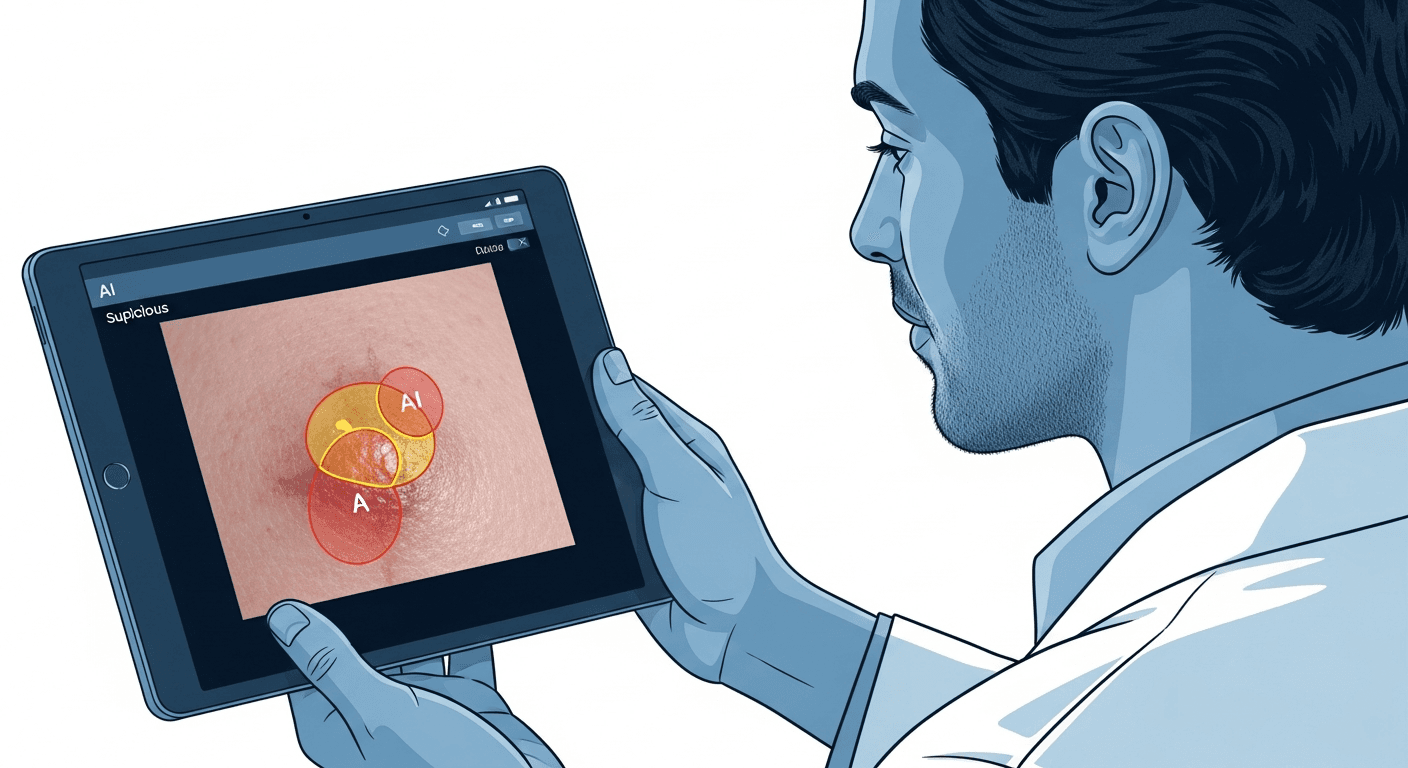
Die Integration von Künstlicher Intelligenz (KI) und digitaler Diagnostik revolutioniert zunehmend die Dermatologie und bietet neue, vielversprechende Möglichkeiten in der Hautkrebserkennung und -diagnose. Für Plattformen wie DermCheck ist dies das Kernstück ihrer Mission, die Früherkennung von Hautkrebs zu verbessern und den Zugang zur Diagnostik zu erleichtern.
KI-gestützte Diagnostik: KI-basierte Systeme, insbesondere solche, die auf Deep Learning und neuronalen Netzen basieren, zeigen ein enormes Potenzial, die Erkennung von Hautkrebs, einschließlich des Basalzellkarzinoms, zu unterstützen:
- Dermatopathologische Routine: Eine Studie vom November 2023 demonstrierte den erfolgreichen Einsatz eines KI-basierten Modells zur automatisierten Basalzellkarzinom-Erkennung in der dermatopathologischen Routinediagnostik. Im Routinebetrieb erzielte das Modell eine Sensitivität von 98,23 % und eine Spezifität von 98,51 % und konnte die dermatopathologische Arbeit signifikant unterstützen.
- Nicht-invasive Diagnosegeräte: Im Januar 2024 wurde von der FDA DermaSensor zugelassen, das erste KI-gestützte Tool zur nicht-invasiven Diagnose von Hautkrebs (einschließlich Melanom, Basalzellkarzinom und Plattenepithelkarzinom) zum Zeitpunkt der Testung. Dieses tragbare Gerät nutzt Spektroskopietechnologie, um Läsionen auf zellulärer und subzellulärer Ebene zu untersuchen und die Eigenschaften mittels eines FDA-zugelassenen Algorithmus zu analysieren.
- Verbesserung der diagnostischen Präzision: Neuere KI-Modelle, die Transfer Learning und Test Time Augmentation nutzen, können Hautläsionen in verschiedene Kategorien klassifizieren (z. B. Melanom, Basalzellkarzinom, gutartige Keratose) und erreichen dabei Trefferquoten von bis zu 94,49 %. Diese Fortschritte können die Notwendigkeit unnötiger Biopsien reduzieren und eine frühere Erkennung fördern.
Herausforderungen und Akzeptanz: Trotz der beeindruckenden Leistungsfähigkeit bestehen bei vielen Dermatologen Vorbehalte gegenüber KI-Systemen, da deren Entscheidungsfindung oft nicht transparent ist („Black Box“-Problem). Aus diesem Grund werden zunehmend „Explainable AI“ (XAI)-Systeme entwickelt. Diese Systeme versuchen, ihre Entscheidungen nachvollziehbar zu machen, indem sie etablierte Diagnose-Merkmale verwenden, die sich auf bestimmte Bereiche der verdächtigen Läsionen beziehen. Studien haben gezeigt, dass solche Erklärungen das Vertrauen der Mediziner in die KI-Entscheidungen – und auch in ihre eigenen Diagnosen – steigern.
Vorteile der digitalen Diagnostik: Die digitale Bildanalyse und KI können Dermatologen entlasten, die Diagnose objektivieren, die Erkennungsrate insbesondere in Frühstadien verbessern und potenziell den Zugang zur Diagnostik, etwa durch Telemedizin, erleichtern. DermCheck setzt genau hier an, indem es Ihnen ein Werkzeug an die Hand gibt, verdächtige Hautveränderungen frühzeitig zu erkennen und so den Weg zum Facharzt zu ebnen.
Patientenrelevante Informationen: Aktiver Schutz und Früherkennung
Als Patient spielen Sie eine entscheidende Rolle bei der Prävention und frühzeitigen Erkennung des Basalzellkarzinoms. Ihre Aufmerksamkeit und Ihr verantwortungsvolles Handeln sind die besten Werkzeuge im Kampf gegen Hautkrebs.
a) Präventionsmaßnahmen und Risikofaktoren:
- Umfassender UV-Schutz ist essenziell: Dies ist die wichtigste Maßnahme zur Primärprävention des BZK.
- Schatten suchen: Meiden Sie die Sonne während der intensivsten Stunden (zwischen 10 und 16 Uhr).
- Schutzkleidung tragen: Kleidung mit langen Ärmeln und Hosenbeinen, eine Kopfbedeckung (breitkrempiger Hut) und eine Sonnenbrille bieten effektiven Schutz.
- Sonnenschutzmittel verwenden: Tragen Sie Sonnenschutzmittel mit hohem Lichtschutzfaktor (LSF 30 oder 50+) großzügig und regelmäßig auf alle unbedeckten Hautstellen auf.
- Verzicht auf Solarien: Solarien tragen nachweislich zur Entstehung von Hautkrebs bei und beschleunigen die Hautalterung.
- Risikobewusstsein: Seien Sie sich Ihrer individuellen Risikofaktoren bewusst (heller Hauttyp, frühere Sonnenbrände, Familienanamnese für Hautkrebs, frühere BZK-Erkrankungen).
- Nicotinamid zur Sekundärprävention: Bei Patienten, die bereits ein Basalzellkarzinom hatten, kann die Einnahme von Nicotinamid 500 mg zweimal täglich zur Sekundärprävention eingesetzt werden. Retinoide hingegen sollen nicht zur Prävention von BZK verwendet werden.
b) Erkennung und Früherkennung:
- Hautkrebs-Screening: Nehmen Sie regelmäßig an den Hautkrebs-Screening-Untersuchungen durch einen geschulten Arzt teil. In Deutschland haben Versicherte ab 35 Jahren alle zwei Jahre Anspruch auf eine standardisierte Ganzkörperinspektion.
- Selbstuntersuchung der Haut: Führen Sie monatlich eine sorgfältige Selbstuntersuchung Ihrer gesamten Haut durch. Achten Sie auf neue Hautveränderungen oder Veränderungen an bestehenden Flecken.
- Warnzeichen erkennen: Suchen Sie umgehend einen Dermatologen auf, wenn Sie folgende Veränderungen bemerken:
- Ein neuer, perlmuttartiger, glänzender Knoten auf der Haut.
- Eine offene Wunde, die nicht heilt oder immer wieder auf- und zukrustet.
- Eine rötliche, schuppige oder erhabene Stelle, die jucken, schmerzen oder bluten kann.
- Eine narbenähnliche Stelle ohne vorhergehende Verletzung.
- Jede nicht-heilende Läsion, insbesondere in sonnenexponierten Bereichen.
Der MSD Manual bietet weitere patientenfreundliche Informationen zum Basalzellkarzinom. Informationen zur Krebsprävention im Allgemeinen finden Sie beim DKFZ Krebsinformationsdienst.
Führen Sie einmal im Monat eine gründliche Selbstuntersuchung Ihrer Haut durch, um neue oder sich verändernde Muttermale frühzeitig zu erkennen. Nutzen Sie einen Spiegel für schwer erreichbare Stellen.
Leben mit der Diagnose und Nachsorge: Ihr Weg zu langfristiger Gesundheit
Eine Diagnose mit Basalzellkarzinom kann beunruhigend sein, aber mit den heutigen Behandlungsmöglichkeiten und einer konsequenten Nachsorge sind die Heilungschancen sehr gut. Es ist wichtig, aktiv mit Ihrer Diagnose umzugehen und eng mit Ihrem Arzt zusammenzuarbeiten.
a) Aufklärung und informierte Entscheidung:
- Lassen Sie sich von Ihrem behandelnden Arzt umfassend über die Diagnose, die individuellen Risiken und die empfohlenen Therapieoptionen aufklären. Stellen Sie Fragen und äußern Sie Ihre Bedenken. Eine informierte Entscheidungsfindung, die Ihre persönlichen Präferenzen berücksichtigt, ist von großer Bedeutung.
- Sollten Sie eine Operation nicht wünschen oder alternative Therapieoptionen in Betracht ziehen, besprechen Sie dies offen mit Ihrem Arzt. Gemeinsam finden Sie den für Sie besten Behandlungspfad.
b) Nachsorge:
- Nach abgeschlossener Therapie ist eine standardisierte, risikostratifizierte Nachsorge unerlässlich. Sie dient der Früherkennung von Lokalrezidiven (Wiederauftreten des Tumors an derselben Stelle) und der Entdeckung von Zweittumoren. Da Patienten, die bereits ein BZK hatten, ein erhöhtes Risiko für weitere Hautkrebsarten haben, ist die Nachsorge ein entscheidender Bestandteil des Managements.
- Bei niedrigem Rezidivrisiko sollte die erste Nachsorgeuntersuchung in der Regel nach sechs Monaten zum Ausschluss eines Lokalrezidivs erfolgen, danach einmal jährlich. Bei Hochrisikotumoren oder multiplen BZK können engmaschigere Kontrollen notwendig sein.
- Die Nachsorge umfasst eine erneute Ganzkörperinspektion der Haut, bei der besonders auf neue oder veränderte Läsionen geachtet wird. Ihr Dermatologe wird Sie über den für Sie passenden Nachsorgeplan informieren. Informationen zur Prävention im Allgemeinen bietet die Deutsche Krebshilfe.
Durch diese konsequente Betreuung und Ihre eigene Wachsamkeit können Sie maßgeblich zu Ihrer langfristigen Hautgesundheit beitragen.
Nach einer Basalzellkarzinom-Behandlung sind regelmäßige Nachsorgetermine bei Ihrem Hautarzt essenziell, um Rezidive und neue Tumoren frühzeitig zu erkennen.
Fazit und Ausblick: Gemeinsam gegen Hautkrebs – Die Zukunft der Dermatologie mit DermCheck
Das Basalzellkarzinom ist der häufigste weiße Hautkrebs, dessen Inzidenz in Deutschland und weltweit weiter steigt. Obwohl es selten metastasiert, birgt es ein erhebliches Potenzial zur lokalen Zerstörung von Gewebe, was die frühzeitige Erkennung durch regelmäßige Selbstuntersuchung und professionelle Hautkrebs-Screenings von größter Bedeutung macht.
Die Behandlungsmöglichkeiten reichen von der bewährten chirurgischen Exzision als Goldstandard über verschiedene topische und nicht-chirurgische Verfahren bis hin zu modernen systemischen Therapien wie Hedgehog-Inhibitoren und Immuntherapeutika für fortgeschrittene Fälle. Innovative Ansätze wie die Rhenium-SCT zeigen vielversprechende Ergebnisse und erweitern das therapeutische Spektrum, was Patienten mehr Optionen und bessere Ergebnisse ermöglicht.
Die Dermatologie erlebt zudem eine Revolution durch den Einsatz von Künstlicher Intelligenz und digitalen Diagnosetools. Technologien wie DermCheck können die diagnostische Präzision erheblich verbessern, Ärzte in ihrer Arbeit unterstützen und den Zugang zur Früherkennung optimieren. Als DermCheck ist es unser Ziel, Sie mit den modernsten Technologien zu unterstützen und Ihnen ein Werkzeug an die Hand zu geben, das Sie befähigt, Ihre Hautgesundheit proaktiv zu managen.
Als verantwortungsbewusste digitale Gesundheitsplattform ist es unsere Aufgabe, Patienten nicht nur technologisch zu unterstützen, sondern auch umfassend über Präventionsmaßnahmen aufzuklären und sie zu einer aktiven Rolle im Schutz ihrer Haut zu ermutigen. Durch konsequenten Sonnenschutz, regelmäßige Hautkontrollen – unterstützt durch innovative Tools wie DermCheck – und die Nutzung moderner Diagnose- und Therapieoptionen können wir gemeinsam das Risiko und die Auswirkungen des Basalzellkarzinoms minimieren und Ihre Hautgesundheit langfristig sichern.
Wichtiger Medizinischer Hinweis
Die in diesem Artikel bereitgestellten Informationen dienen ausschließlich zu Informationszwecken und ersetzen keinesfalls eine professionelle medizinische Beratung, Diagnose oder Behandlung durch einen qualifizierten Arzt. Bei gesundheitlichen Beschwerden oder Verdacht auf eine Erkrankung suchen Sie bitte stets einen Arzt oder eine andere qualifizierte medizinische Fachkraft auf. Verlassen Sie sich niemals auf Informationen aus dem Internet als Ersatz für eine individuelle ärztliche Beratung. Eine KI-basierte Analyse ist immer ein Hilfsmittel und keine abschließende medizinische Diagnose.
Quellen & Studien (21)
- nih.gov
- ovid.com
- awmf.org
- journalonko.de
- gelbe-liste.de
- hausaerztlichepraxis.digital
- krebsinformationsdienst.de
- apollohospitals.com
- onko-portal.de
- onko-portal.de
- derma.swiss
- doccheck.com
- doccheck.com
- krebsinformationsdienst.de
- hautkrebs-netzwerk.de
- skincancer.org
- medmedia.at
- nih.gov
- dkfz.de
- aimatmelanoma.org
- biermann-medizin.de