Vitamin D & Sunscreen: Balancing Skin Health and UV Protection
How much sun is safe for Vitamin D without increasing skin cancer risk? Learn from experts the right balance between UV protection and your body's Vitamin D production.
2026-03-16 tarihinde yayınlandı · DermCheck Editorial
Bu makale yapay zeka desteğiyle oluşturulmuştur.
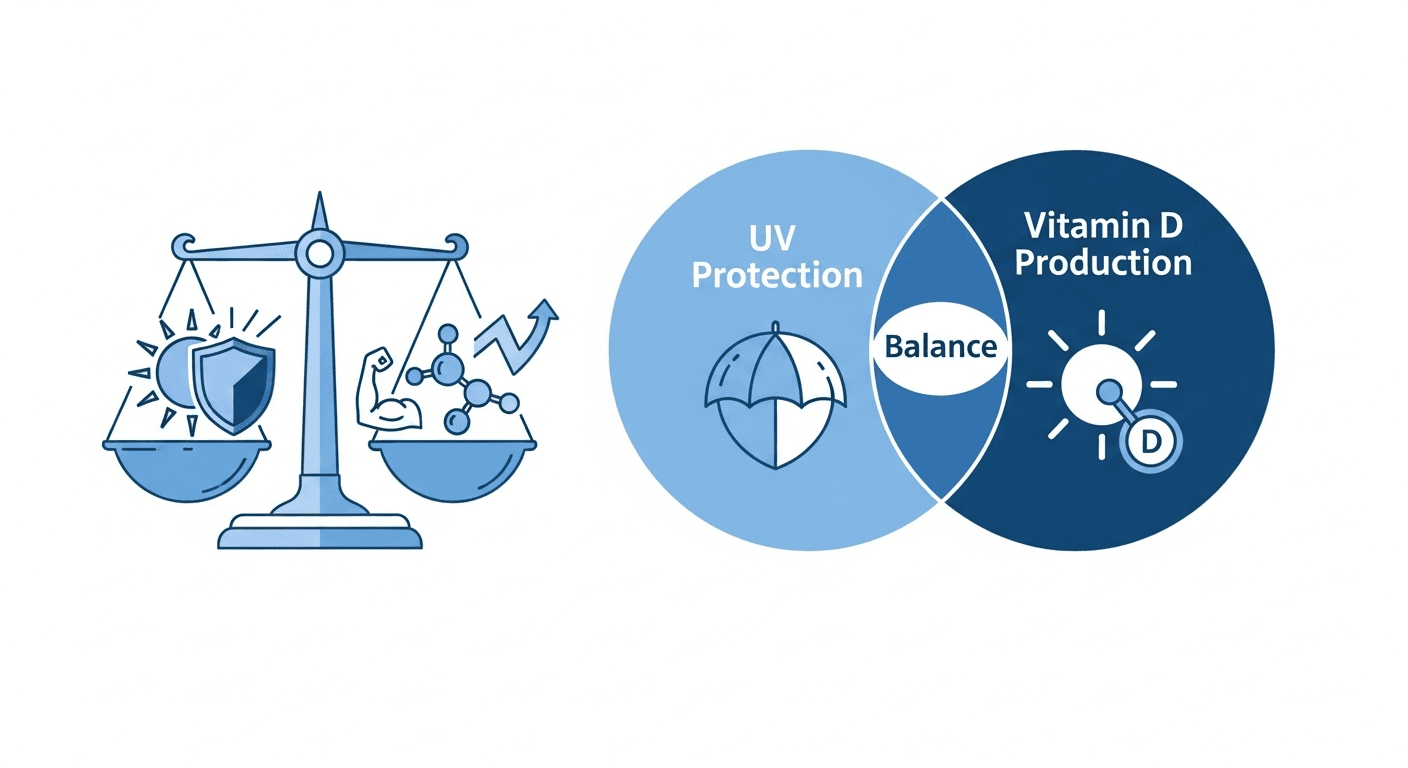
Introduction: The Eternal Dilemma of Sun and Skin Health

The sun is a source of life and well-being, but its UV radiation also poses significant risks to our skin. This dilemma – the tightrope walk between necessary vitamin D production and protection against skin cancer – concerns many of our patients. As an SEO expert and medical writer for DermCheck, the innovative AI skin cancer screening, it is our mission to provide you with well-founded knowledge on this topic.
On the one hand, our body needs UV-B radiation for the synthesis of vital vitamin D; on the other hand, excessive UV exposure is the main cause of skin cancer and premature skin aging. This article illuminates current studies, medical guidelines, and practical information to give you clear guidance. We explain how you can benefit from the sun while effectively protecting your skin – a balance that is crucial for your long-term health. Discover with us the myths and facts surrounding sun protection and vitamin D.
The central challenge is to absorb enough UV-B radiation for vitamin D synthesis without dramatically increasing the risk of skin cancer and premature skin aging. An informed decision is key here.
Vitamin D: The "Sunshine Hormone" – What It Is and How It Works
Vitamin D holds a special position because our body can produce most of it itself. That's why it is often more accurately referred to as the "sunshine hormone". About 80 to 90 percent of the required vitamin D3 (cholecalciferol), the most important form for humans, is formed in the skin under the influence of UV-B radiation (wavelength range of 280 nm to 315 nm). Only a smaller part, about 10 to 20 percent, is absorbed through food.
The process begins when provitamin D3 in skin cells is converted into previtamin D3 by UV-B radiation. Through further complex metabolic processes involving the liver and kidneys, it finally becomes active vitamin D. This unique feature makes the sun our primary source of vitamin D, provided we use it consciously and safely. A deeper understanding of this process helps to appreciate the importance of a balanced approach to sunlight.
The Diverse Functions of Vitamin D in the Body
Vitamin D is far more than just a bone strengthener. Its most important and well-established function is the regulation of calcium and phosphate metabolism, crucial for bone formation and bone health. It promotes the absorption of calcium and phosphate from the intestine and their incorporation into bone mineralization. A deficiency can lead to severe mineralization disorders.
Furthermore, vitamin D influences muscle strength and the immune system. It is involved in the formation of proteins that control genes and promotes the production of immune cells. A protective effect of vitamin D on other diseases such as cancer, diabetes mellitus, high blood pressure, cardiovascular diseases, and autoimmune diseases is also discussed. Studies like those from the German Cancer Research Center (DKFZ) suggest reduced cancer mortality with daily vitamin D intake, although the exact causal link is still subject to intensive research. However, it is unclear whether low vitamin D levels are more a consequence than a cause of these diseases.
Vitamin D Deficiency: Definition, Symptoms, and Serious Consequences
A vitamin D deficiency is defined by the Institute of Medicine (IOM 2011) as 25(OH)-vitamin D concentrations in blood serum of less than 25 nmol/l (approx. 10 ng/ml). German, Austrian, and Swiss nutrition societies speak of a severe deficiency with an increased risk of rickets (in children) or osteomalacia (in adults) at values below 30 nmol/l (approx. 12.5 ng/ml).
A chronic deficiency can have serious health consequences. In children, it leads to rickets, a mineralization disorder of the growth plates. Adults can suffer from osteomalacia, in which bones demineralize, soften, and cause pain, often accompanied by muscle weakness and an increased risk of fractures. The S1 guideline "Vitamin D Deficiency Rickets" emphasizes the relevance of this deficiency. Furthermore, vitamin D deficiency is linked to an increased risk of certain cancers, autoimmune diseases such as type 1 diabetes, and depression, underscoring the importance of adequate supply.
Vitamin D Status in Germany and Specific Risk Groups
Although vitamin D is important for health, the majority of the population in Germany does not suffer from a clinically relevant vitamin D deficiency. However, many people do not reach the desirable level of 50 nmol/l, which would fully exploit the preventive potential for bone health. According to the DEGS study (2008-2011), 30.2% of adults in Germany had a vitamin D deficiency (< 30 nmol/l), while 38.4% had an adequate status (≥ 50 nmol/l). More recent data from the Federal Institute for Risk Assessment (BfR) (2025) suggest that approximately 15% of the population is at risk of vitamin D deficiency, while 44% of adults have desirable serum levels of 50 nmol/l and more. Normal seasonal fluctuations in vitamin D levels, with lower levels in winter, are common.
Certain risk groups have an increased risk of vitamin D deficiency and may require supplementation. These include infants and young children, elderly people (especially over 65 or 75 years), as the skin's ability to produce vitamin D decreases with age, and people with dark skin, who need 10 to 50 times more UV radiation. Also affected are people who rarely spend time outdoors or cover their bodies, as well as those with chronic bowel, liver, and kidney diseases.
UV Radiation: Types and Their Harmful Effects on the Skin
While UV-B radiation is essential for vitamin D production, UV radiation in general poses significant risks to skin and overall health. The action spectra for UV-dependent vitamin D synthesis and for the occurrence of sunburn, non-melanoma skin cancer, and DNA damage are almost identical, meaning that positive and negative effects are inextricably linked.
The sunlight that reaches the Earth's surface consists mainly of UV-A and UV-B radiation:
- UV-B radiation: Is more energetic and penetrates less deeply into the skin. It is the main cause of sunburn and plays a key role in the development of skin cancer.
- UV-A radiation: Penetrates deeper into the skin than UV-B radiation and is responsible for premature skin aging and the formation of wrinkles. Although it causes less direct sunburn, it also contributes to the development of skin cancer. Solariums mainly use UV-A, which does not contribute to vitamin D formation but increases the risk of skin cancer.
The damage caused by UV radiation is varied: Acute inflammatory reactions such as sunburn, premature skin aging (photoaging) with wrinkles and pigment spots, and eye damage such as conjunctivitis and cataracts are known consequences. Careless exposure to the sun can therefore have long-term consequences for your health.
Skin Cancer: The Main Danger from UV Radiation and Its Forms
Ultraviolet (UV) radiation is the most important exogenous risk factor for the development of skin cancer, both from natural sunlight and artificial UV radiation (e.g., in solariums). In Germany, the use of solariums for minors is legally prohibited, as first-time use at a young age (< 35 years) almost doubles the risk of developing melanoma (black skin cancer).
We mainly distinguish between two forms of skin cancer:
- Non-melanoma skin cancer (white skin cancer): Includes basal cell carcinomas and squamous cell carcinomas. These are the most common forms of skin cancer and very rarely metastasize, which is why they are almost always curable. Cumulative lifetime UV-B exposure is the most important risk factor. More information on non-melanoma skin cancer can be found on Krebsdaten.de.
- Malignant melanoma (black skin cancer): The most dangerous form of skin cancer, responsible for most skin cancer-related deaths. It is closely linked to intermittent, intense sun exposure, and especially to sunburns at any age. Data on malignant melanoma is available from the RKI.
In addition to UV radiation, genetic factors, a high number of moles (> 100 increase melanoma risk sevenfold), freckles, and skin type are important risk factors.
Current Figures: Skin Cancer Epidemiology in Germany
The number of new skin cancer cases is continuously increasing and represents a serious health challenge. In 2023, around 27,430 people in Germany were diagnosed with malignant melanoma of the skin, with women and men affected in roughly equal measure. In total, approximately 443 out of 100,000 people in Germany are diagnosed with skin cancer annually (including early forms), of which about 386 are non-melanoma (white) skin cancer. These figures illustrate the high prevalence of skin cancer in our population.
Age-standardized incidence rates of malignant melanoma increased sharply around 2008, likely due to the introduction of skin cancer screening in Germany. Since 2012, the incidence rate has slightly decreased in women and remained constant in men. The prognosis for skin cancer is better the earlier it is detected. The relative 5-year survival rates for malignant melanoma of the skin are currently 96% for women and 94% for men. The 10-year survival rates are 96% for women and 95% for men. Approximately 67% of all melanomas are detected in an early tumor stage (UICC I). The Hessian Cancer Registry provides current trends and statistics on this. The Federal Statistical Office also points to an 87.5% increase in inpatient skin cancer treatments within 20 years, underscoring the urgency of prevention.
The Myth Debunked: Does Sunscreen Really Block Vitamin D Synthesis?
THE TRUTH ABOUT VITAMIN D & SUN Dermatologist @DrDrayzday
The assumption that sunscreen blocks vitamin D production and thus leads to a deficiency is a widespread myth. Many people hesitate to use sunscreen for fear of not being able to replenish their vitamin D stores. However, this concern is largely unfounded and can even be dangerous, as it leads to foregoing essential skin protection measures. The Skin Cancer Foundation and the WHO debunk this myth and emphasize that a balanced approach is possible.
It is true that most sunscreens contain UV filter substances that particularly strongly protect against UV-B radiation, which the body needs to form vitamin D. However, in practice, sunscreens do not completely prevent vitamin D synthesis and generally do not lead to vitamin D deficiency. The real conditions of application and individual sun exposure play a crucial role here. Avoiding sunscreen as a means of optimizing vitamin D is an unnecessary risk that far outweighs the extensive benefits of skin protection against UV-induced damage.
Avoiding sunscreen due to concerns about vitamin D deficiency is an unnecessary and dangerous risk. The potential long-term damage from UV radiation (skin cancer, premature skin aging) far outweighs concerns about vitamin D synthesis.
The Reality: Sun Protection and Vitamin D – A Scientific Perspective
Several reasons and scientific studies confirm that the normal use of sunscreens does not completely prevent vitamin D synthesis or lead to vitamin D deficiency:
- Incomplete Coverage: In everyday life, not all sun-exposed body parts are fully and evenly covered with sunscreen. This means that enough UV-B radiation can still reach the skin and stimulate vitamin D synthesis.
- Not 100% Protection: Even sunscreens with a high sun protection factor (SPF) cannot block 100% of incoming UV rays. An SPF 30 blocks approx. 97% of UV-B rays, SPF 50 blocks approx. 98%. The remaining rays are often sufficient.
- Study Findings: A systematic review and meta-analysis from 2023 by the University of Saarland, which investigated the effect of sunscreen on vitamin D synthesis, could not confirm the hypothesis of a reduction in 25-hydroxyvitamin D3 serum concentration after sunscreen application. A further literature review from Medycyna Środowiskowa came to similar conclusions. Earlier studies, such as those in the British Journal of Dermatology, also could not detect a significant vitamin D deficiency due to normal sunscreen use. Factors such as skin type, age, and external conditions influence vitamin D synthesis far more than the use of sunscreens.
- Extended Sun Exposure: Paradoxically, the use of sunscreens (especially when applied incorrectly) can even lead to extended time in the sun, meaning that over time, enough UV-B radiation is still absorbed for vitamin D production.
The Gelbe Liste confirms: Vitamin D formation is possible despite sun protection.
Solariums: A Dangerous Illusion for Vitamin D Production
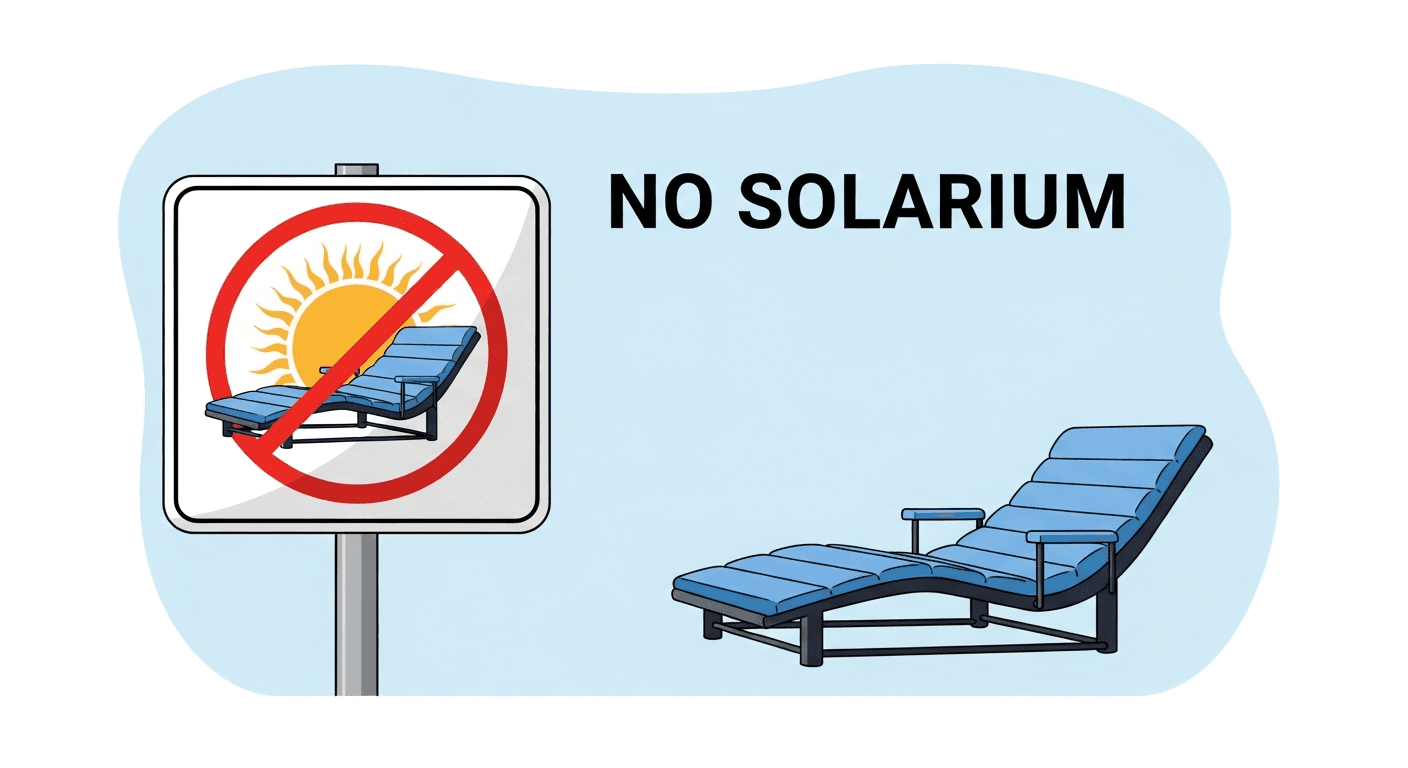
Solarium visits are often misunderstood as a means of vitamin D production and advertised as such, but they are by no means a suitable or safe alternative to natural sun exposure. The German Cancer Society and the Federal Office for Radiation Protection (BfS) strongly advise against using solariums.
The primary focus in solariums is usually on UV-A radiation to achieve skin tanning. The proportion of UV-B radiation necessary for vitamin D synthesis in solariums is often lower than from natural sun. At the same time, the UV-A radiation intensity in solariums can be up to six times, and in facial tanners even up to ten times, stronger than that of the sun, which drastically increases the risk of skin cancer. First-time use of a solarium under the age of 35 almost doubles the risk of developing melanoma (black skin cancer). Solarium visits do not positively influence vitamin D levels and are therefore not advisable from a health perspective. They represent an avoidable risk that far outweighs the minimal or non-existent benefits.
Medical Guidelines and Recommendations for Everyday Life
Medical professional societies and authorities have developed clear recommendations to both counteract the risk of skin cancer and ensure an adequate vitamin D supply. The Federal Office for Radiation Protection (BfS), together with the UV Protection Alliance, initiated an interdisciplinary discussion that led to the following jointly supported recommendations:
- Avoid sunburn: Sunburn should always be avoided.
- UV protection during longer stays: UV protection measures should be taken during longer stays in the sun.
- UV Index (UVI): The UV Index serves as a guide for the highest sunburn-effective UV radiation intensity on a given day and indicates when and which protective measures should be taken.
- Children and infants: Especially for toddlers, children, and adolescents, high UV exposure and sunburns must be avoided, as they increase the later risk of skin cancer. Infants should generally not be exposed to direct sunlight.
- No UV radiation for vitamin D production in solariums: Strong, non-medically controlled UV radiation (sun or solarium) for the purpose of vitamin D formation, self-treatment of vitamin D deficiency, or tanning is strongly discouraged.
These consensual recommendations form the basis for a responsible approach to the sun and your skin health. The S3 guideline for skin cancer prevention provides detailed information on this.
Targeted Vitamin D Formation: How Much Sun is Really Necessary?
For sufficient vitamin D synthesis, it is not necessary to "bake" in the sun for long periods, according to current knowledge. It is enough to expose your face, hands, and arms to UV radiation uncovered and without sun protection two to three times a week – and only for half the time it would otherwise take to get a sunburn unprotected. For example, for skin type II and a UV index of 7, this would be about 12 minutes. Longer exposures do not lead to more vitamin D according to scientific studies, but they do increase the risk of UV-related health damage. An international consensus statement on vitamin D and sun protection confirms this approach.
The German Nutrition Society (DGE) specifies an estimated value for an adequate vitamin D intake of 20 micrograms (corresponding to 800 International Units, IU) per day for children from one year of age, adolescents, and adults, if no endogenous production takes place. For infants (0 to under 12 months), the estimated value is 10 micrograms per day. This shows that targeted and brief exposure in the months from March to October in our latitudes is usually sufficient to replenish stores.
Expose your face, hands, and forearms 2-3 times a week for about half the time it would take to get a sunburn. Longer exposure does not provide additional vitamin D benefits but increases skin cancer risk.
DGE Estimated Values for Vitamin D Intake (in case of absent endogenous synthesis)
| Age Group | Estimated Value per Day |
|---|---|
| Infants (0 to < 12 months) | 10 µg (400 IU) |
| Children from 1 year, Adolescents & Adults | 20 µg (800 IU) |
Quelle: German Nutrition Society (DGE)
Vitamin D Supplementation: Who Should Supplement and When?
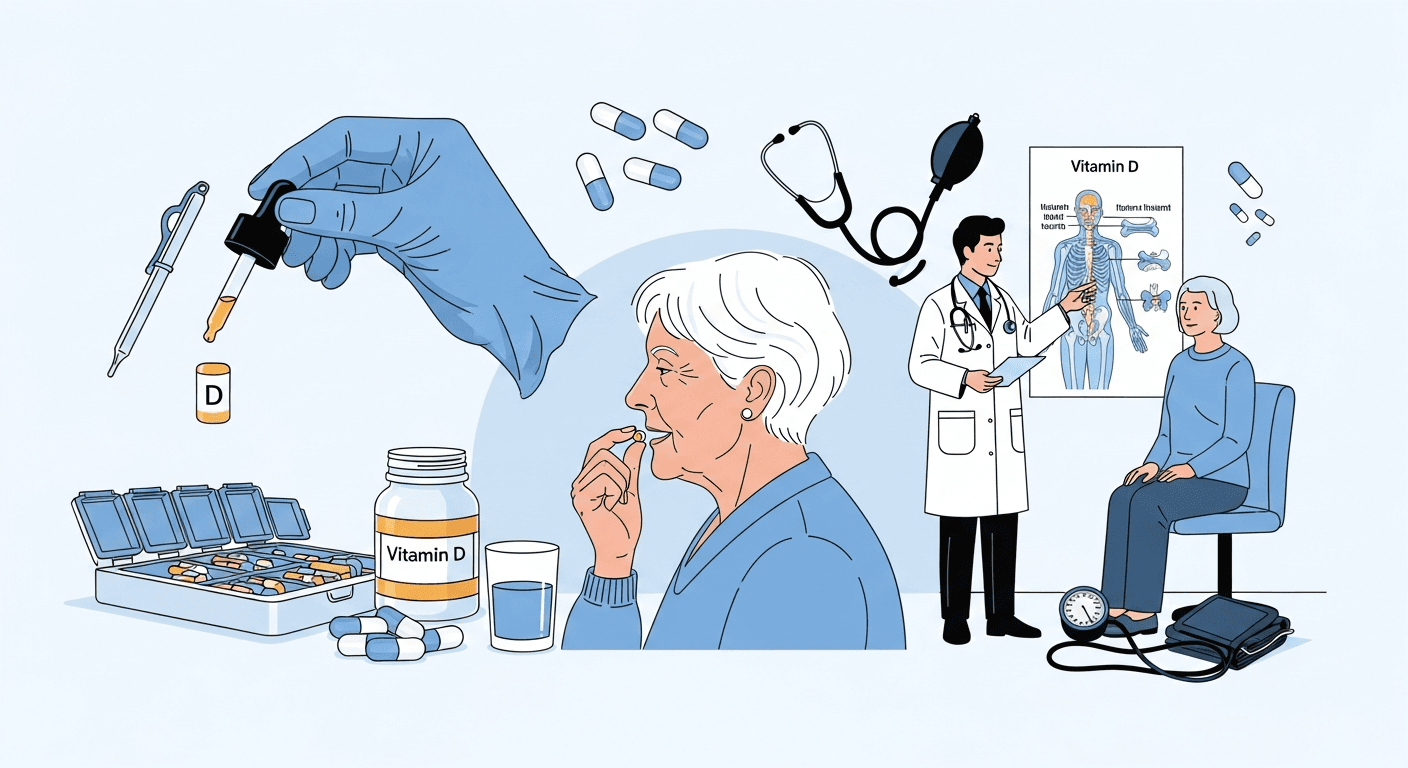
For certain risk groups, vitamin D supplementation is useful and recommended by medical guidelines:
- Infants and young children: In Germany, the administration of vitamin D tablets for rickets prophylaxis is recommended until the second experienced early summer (12 to 18 months). This is firmly established in the S1 guideline "Vitamin D Deficiency Rickets".
- Elderly people (especially from 65 years): Due to the decreasing endogenous production (3 to 5 times lower in 70-year-olds) and often less sun exposure, vitamin D supplementation should be considered. A daily intake of 600 to 1000 IU is often given as a guideline, and for those over 65, supplementation with 800 IU/day is considered safe even without prior level determination.
- Pregnant women and individuals with prediabetes: A new international guideline (August 2024) recommends supplementation for pregnant women to reduce the risk of preeclampsia, intrauterine mortality, preterm birth, and neonatal mortality, as well as for people with high-risk prediabetes.
- Individuals with certain pre-existing conditions: In chronic intestinal, liver, and kidney diseases or disorders of vitamin D metabolism, the risk of deficiency is increased, and medically controlled supplementation is necessary. A need may also exist for osteoporosis or prediabetes.
- In case of diagnosed deficiency: A vitamin D deficiency must be medically diagnosed and treated. For values below 25-30 nmol/l, typically 50,000 IU of vitamin D/week for six to eight weeks or 6000 IU/day are needed, followed by maintenance therapy with 800 IU/day. Higher doses may be necessary for obesity, malabsorption, or certain medications. The Krebsgesellschaft NRW also offers information on vitamin D therapy.
A new S3 guideline on Vitamin D and dental implantations (valid until 2030) also recommends an individualized approach in cases of suspected vitamin D deficiency in the context of implant prognosis and augmentation surgery.
Skin Cancer Prevention 2.0: Comprehensive UV Protection and Early Detection
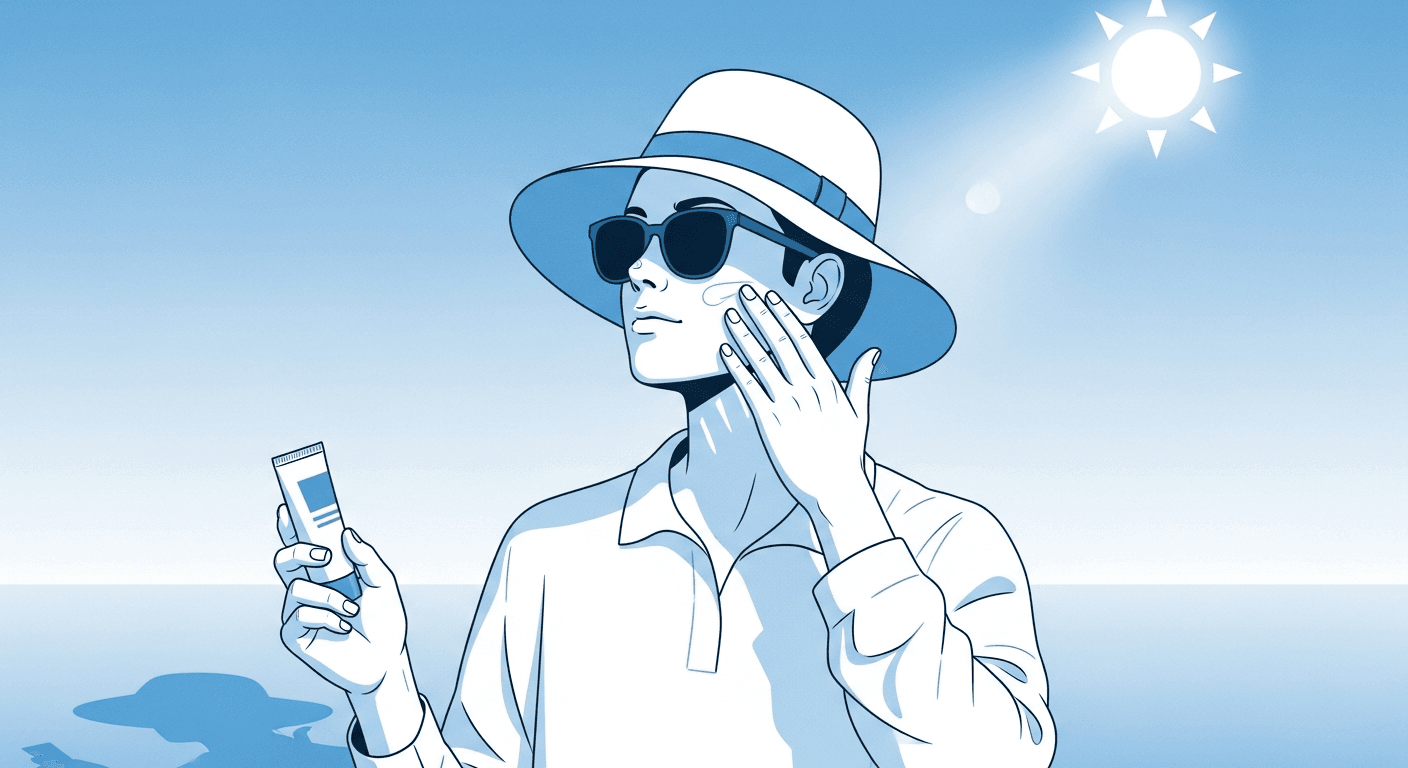
Protection against UV radiation is the most important measure for preventing skin cancer and premature skin aging. Comprehensive UV protection should be part of your daily routine:
- Sunscreen: Generously apply sunscreen with a high sun protection factor (SPF 30 or higher) to all exposed skin. Look for broad-spectrum protection that protects against both UV-A and UV-B. Sunscreen should be applied 20-30 minutes before sun exposure and reapplied, especially after swimming. Water-resistant products are essential when swimming. Studies show that daily sunscreen use can reduce the risk of basal cell and squamous cell carcinomas.
- Protective Clothing: Long, sun-protective, airy clothing is effective UV protection. Head coverings such as sun hats or caps protect the head and face, and sunglasses with UV protection are essential to protect the eyes from damage.
- Avoid Midday Sun: Between 11 AM and 3 PM, UV radiation is most intense. During this time, seek shade or stay indoors.
- Mind the UV Index: The UV Index published daily by the Federal Office for Radiation Protection provides information on the expected UV radiation intensity and helps plan protective measures.
- Skin Cancer Screening: Legally insured individuals are entitled to a free skin cancer early detection examination every two years from the age of 35. Many health insurance companies also cover the costs for younger insured persons. During this screening, the entire body is examined for suspicious skin changes. Early diagnosis is crucial for cure rates, as the German Cancer Aid emphasizes.
The S3 guideline for skin cancer prevention provides further information on this.
Pay attention to your skin and regularly check yourself for changes in moles or new spots. If you notice anything unusual, consult a dermatologist immediately. Early detection of skin cancer is crucial.
The Future is Digital: AI and DermCheck in Skin Cancer Diagnostics
Next Generation Medicine - Die Haut, Sonne, Vitamin D und Hautkrebs
Dermatology is experiencing a transformation through the use of Artificial Intelligence (AI) and digital technologies, revolutionizing the diagnosis and treatment of skin diseases, especially skin cancer. DermCheck is at the forefront of this development, offering innovative solutions for early skin cancer detection.
AI-based Skin Cancer Diagnostics: AI systems can support dermatologists in detecting skin cancer, especially melanomas, earlier and more accurately. Modern AI algorithms, trained with large datasets of skin images, are able to recognize patterns and provide faster and more precise diagnostics.
- AI Dermoscopes and 3D Full-Body Scanners: These technologies enable high-resolution imaging of the skin and analysis of suspicious lesions. AI-powered full-body scanners can represent the entire body surface with a risk assessment of any noticeable skin change.
- Explainable AI (XAI): A major advance is the development of "Explainable AI" (XAI) systems. Scientists at the German Cancer Research Center (DKFZ) have developed an AI-based support system for skin cancer diagnostics that explains its decisions using established diagnostic features. This transparency increases the confidence of medical professionals in AI diagnoses and also improves their confidence in their own diagnoses. A study (published in Nature Communications 2024) showed that XAI significantly increases diagnostic accuracy and improves decision-making in complex cases.
- Multimodal Models: The "PanDerm" model is a multimodal dermatological foundation model pre-trained using self-supervised learning on over 2 million real skin images from 11 clinics and 4 imaging modalities. It shows great potential to improve patient care.
Telemedicine and Digital Skin Analysis: Digital solutions and telemedicine are playing an increasingly important role in dermatology, especially for personalized care and early problem detection. DermCheck uses these technologies to provide you with fast and accessible skin analysis. Studies show that AI-powered analyses can often detect skin problems earlier than the human eye. A promising technology is also Line-field confocal optical coherence tomography (LC-OCT), which enables non-invasive biopsy with AI support, reducing pain and waiting times.
Your Path to Skin Health: Important Messages for Patients
Skin cancer and vitamin D - getting the balance right
The topic of vitamin D, sun protection, and skin cancer may seem complex, but the core messages for your skin health are clear and actionable. It's about consciously using the sun while minimizing risks. We summarize the most important points for you:
- Sun protection is indispensable for skin health: Protection against UV radiation is your best insurance against skin cancer and premature skin aging. Always use sunscreen with SPF 30 or higher, wear protective clothing, a sun hat, and sunglasses. An overview of sun protection is offered by derma.swiss.
- Avoid midday sun: UV radiation is most intense between 11 AM and 3 PM. Seek shade or stay indoors during this time.
- Sunscreen does not cause vitamin D deficiency: Modern research shows that normal use of sunscreen does not completely block vitamin D production and does not lead to a deficiency. The benefits of skin protection far outweigh the concerns. Another literature review confirms this.
- Short, targeted sun exposure is sufficient for vitamin D: For most people, brief, regular outdoor stays (face, hands, forearms uncovered, 2-3 times a week for 10-15 minutes) during sunny months are sufficient. Longer sunbathing does not provide additional vitamin D benefits but increases the risk of skin cancer.
- Solariums are not a source of vitamin D: Solariums significantly increase the risk of skin cancer and are unsuitable for improving vitamin D levels. Consistently avoid them.
- Nutrition plays a minor role in vitamin D: Only a small portion of vitamin D is absorbed through food (e.g., fatty seafish, eggs). The main source remains UV-B radiation.
- Risk groups should have their vitamin D levels medically checked: Elderly people, people with dark skin, people who rarely spend time outdoors, and people with certain diseases have an increased risk of vitamin D deficiency. In these cases, medically controlled vitamin D supplementation is advisable.
- Utilize skin cancer screening: Take advantage of the skin cancer screening offered, available every two years from age 35, to detect skin changes early. This can save lives.
- Pay attention to your skin and changes: Regular self-examination is important. If you notice anything unusual (changes in moles, new spots, non-healing wounds), consult a dermatologist immediately.
- Use digital helpers: Modern technologies such as AI-powered skin analysis apps can provide an initial assessment but do not replace a doctor's visit in suspicious cases.
Conclusion and Medical Disclaimer
The discussion on vitamin D, sun protection, and skin cancer clearly shows: the right balance is an individual decision best made in consultation with your dermatologist. Our goal at DermCheck is to support you with well-founded information and state-of-the-art technologies so that you can proactively protect your skin health. Contact us if you have questions about your personal vitamin D status, your skin cancer risk, or optimal sun protection measures. Your skin health is important to us.
This blog article is for general information purposes only and does not replace professional medical advice, diagnosis, or treatment by a doctor. The use of AI-based screening tools like DermCheck is a valuable supplement for early detection but not a substitute for a medical examination. Always consult a doctor if you have health problems or suspected cases.
Quellen & Studien (33)
- umweltbundesamt.de
- barmer.de
- bund.de
- osd-ev.org
- verbraucherzentrale.de
- bfs.de
- dermasence.de
- usz.ch
- bund.de
- dge.de
- sunshower.eu
- cme-kurs.de
- awmf.org
- dge.de
- nih.gov
- aerzteblatt.de
- krebshilfe.de
- bfs.de
- krebsdaten.de
- dsgip.de
- dkfz.de
- muenchen-klinik.de
- uni-saarland.de
- medizin-transparent.at
- derma.de
- awmf.org
- zm-online.de
- skincancer.org
- management-krankenhaus.de
- deutschesgesundheitsportal.de
- theacare.de
- iqonic.ai
- tirolerin.at