Skin Cancer Aftercare & Monitoring: AI Screening & Recommendations
Comprehensive info on skin cancer aftercare, current guidelines, prevention, self-examination, and the role of AI-powered screening like DermCheck.
Publicat la 2026-03-16 · DermCheck Editorial
Acest articol a fost creat cu ajutorul inteligenței artificiale.
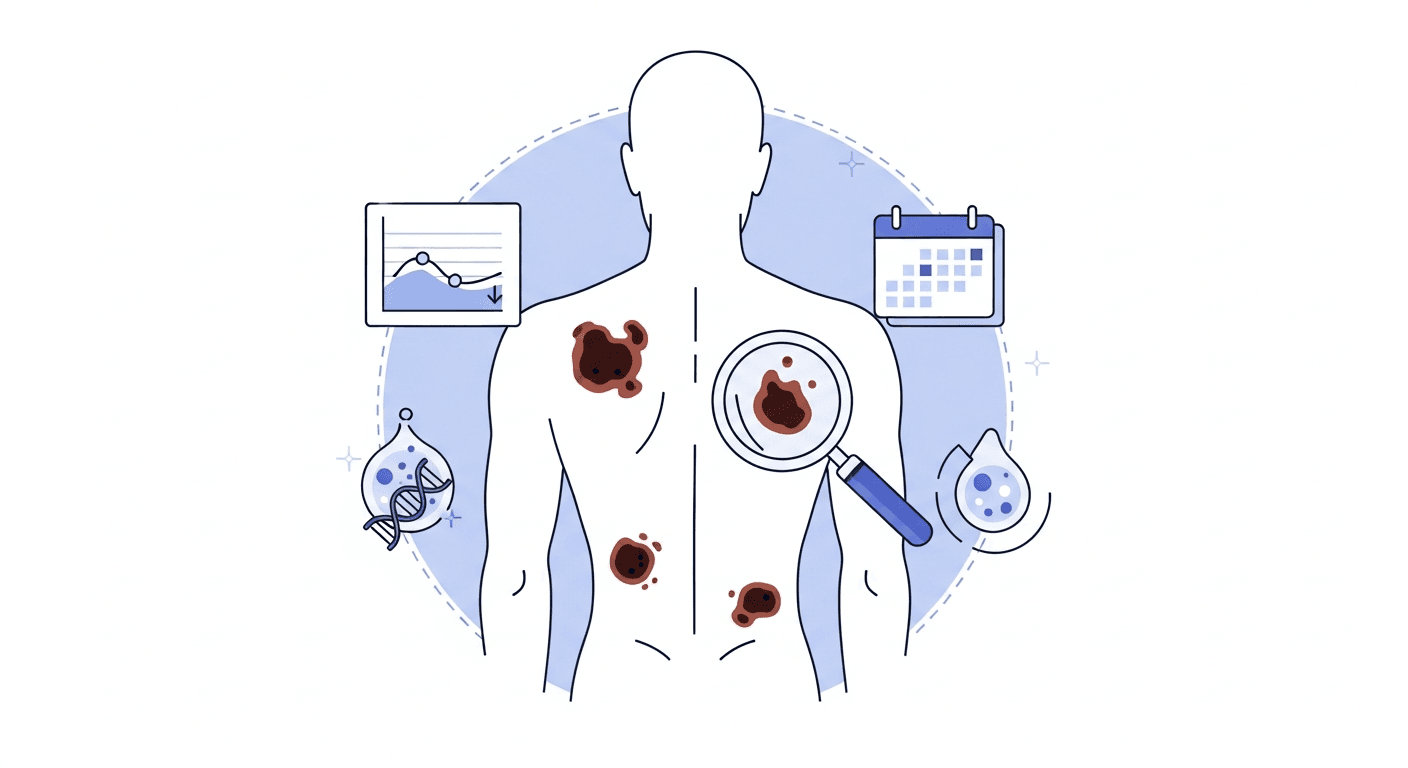
The Importance of Skin Cancer Aftercare and Monitoring
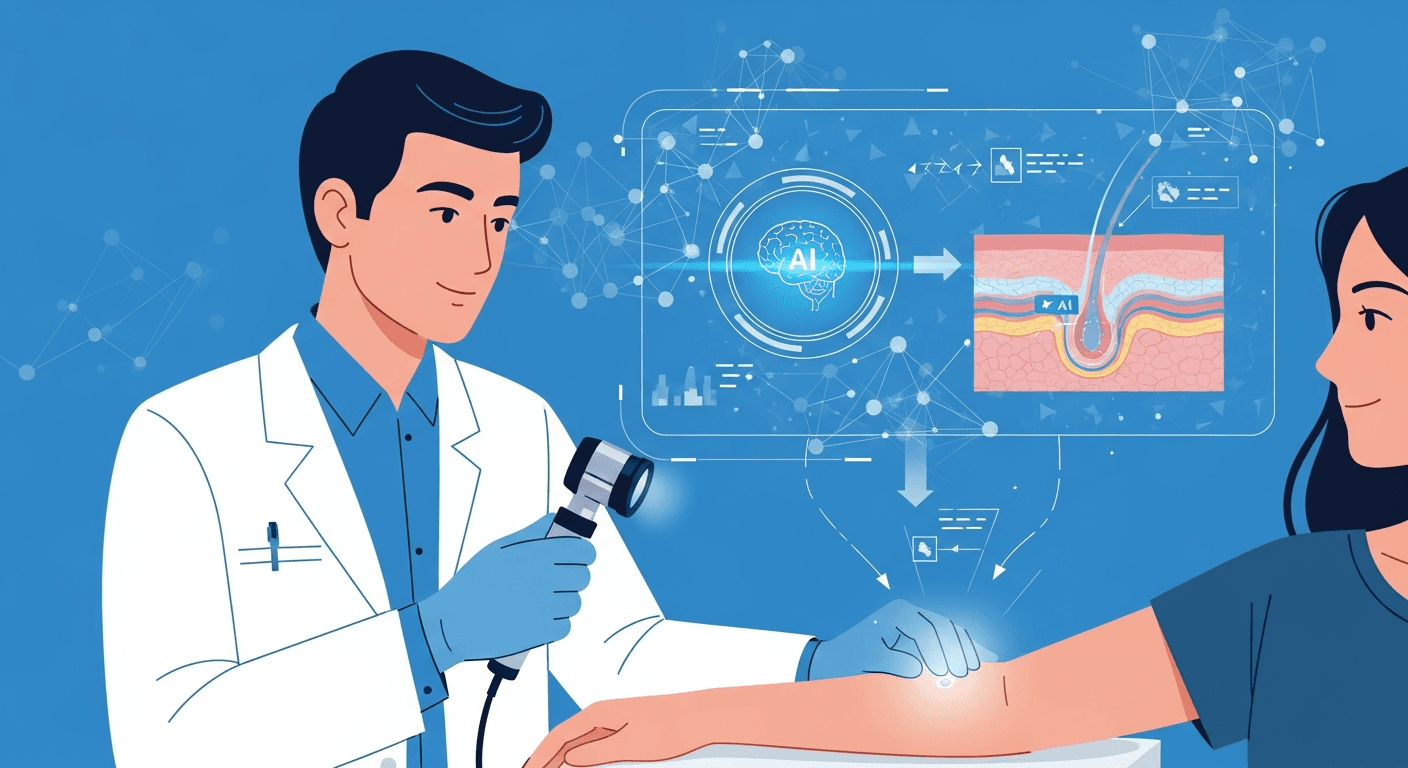
The diagnosis and treatment of skin cancer do not mark the end of the journey, but rather the beginning of an equally important phase: aftercare and continuous monitoring. For millions of people worldwide affected by this common cancer, effective follow-up is crucial. Its aim is to detect recurrence (relapse), the development of new primary tumors, or metastases as early as possible, to maximize chances of recovery, and to ensure long-term quality of life. As a medical writer and SEO expert for DermCheck, an innovative AI-powered solution in skin cancer screening, we want to provide you with the latest findings, medical guidelines, prevention strategies, and the transformative role of digital technologies in this comprehensive article.
The incidence of skin cancer is steadily increasing, highlighting the need for robust aftercare and prevention strategies. A deep understanding of current recommendations and advances in this field is of paramount importance to both patients and treating physicians. We will shed light on current studies, epidemiological data, and patient-relevant recommendations to give you a complete picture of modern skin cancer aftercare.
Skin Cancer in Germany: Current Figures and Trends (2023-2024)
Research in dermato-oncology is dynamic, with current studies continually providing new insights that shape aftercare practices. Skin cancer is the most common cancer in Germany. Approximately 373,850 people are diagnosed with skin cancer annually, including its early forms.
For 2024, an estimated 335,000 new cases are expected. In 2023, approximately 443 out of every 100,000 people were diagnosed with skin cancer (including early forms). This trend underscores the urgency of strengthening prevention strategies and emphasizing the importance of consistent aftercare, especially since early detection significantly improves the prognosis.
The continuous monitoring and adjustment of aftercare recommendations are based on these current epidemiological data and research findings. Knowledge of the frequency and distribution of different types of skin cancer helps us to develop targeted measures and better identify high-risk groups. The rising incidence clearly indicates that we need innovative approaches to early detection and monitoring to reduce the burden of this disease.
Malignant Melanoma: Statistics, Risk Factors, and Developments
Malignant melanoma, often referred to as black skin cancer, is the most dangerous form of skin cancer. In 2023, approximately 27,430 people in Germany were newly diagnosed with malignant melanoma of the skin, with an almost equal number of women and men affected. The average age of onset is 64 for women and 69 for men.
Age-standardized incidence rates rose sharply around 2008, likely a consequence of the skin cancer screening program introduced in Germany in July 2008, which led to improved and earlier diagnosis. Since 2012, the incidence rate has slightly decreased in women, while remaining roughly constant in men. Overall, around 21,000 people are newly diagnosed with melanoma each year, and approximately 3,000 people die from it annually.
A significant risk factor is UV radiation, especially in the form of sunburns, particularly in childhood. A high number of moles or atypical nevi also increase the risk. For individuals already diagnosed with melanoma, the risk of developing another melanoma increases significantly, underscoring the importance of close follow-up. For melanoma patients, lifelong aftercare is crucial for early detection of recurrence or new lesions.
Non-Melanoma Skin Cancer: Basal Cell Carcinoma and Squamous Cell Carcinoma
Non-melanoma skin cancer, which includes basal cell carcinoma (BCC) and squamous cell carcinoma (SCC), occurs much more frequently than black skin cancer. In 2023, an estimated 243,000 people in Germany were newly diagnosed with non-melanoma skin cancer. Approximately 386 out of every 100,000 people received a diagnosis of non-melanoma skin cancer (including early forms) in 2023.
Nearly three-quarters of non-melanoma skin cancers are basal cell carcinomas, which corresponds to approximately 171,000 new cases per year in Germany. Although basal cell carcinoma rarely metastasizes (only in 0.03% of cases), it can grow locally aggressively and damage surrounding tissue. Squamous cell carcinoma is the second most common type of skin cancer and accounts for about 20% of all non-melanoma skin cancers. Men tend to be slightly more affected by non-melanoma skin cancer than women.
The primary treatment for squamous cell carcinoma is complete excision with histopathological control of the margins. For both forms of non-melanoma skin cancer, aftercare aims to detect local recurrences and new tumors early. Patients should be aware that regular self-examination and medical check-ups are essential for these forms as well, to monitor for recurrence or the development of new lesions.
Prognosis and Survival Rates: What the Data Says
The prognosis of skin cancer is highly dependent on the stage of diagnosis and the type of tumor. The good news is that survival rates are very high with early detection.
Malignant Melanoma:
Currently, the relative 5-year survival rates for women with malignant melanoma in Germany are 96 percent and for men 94 percent. The 10-year survival rates are also high at 96% (women) and 95% (men). For tumors with an invasion depth of less than 1 mm, the ten-year survival rate is even 96%. About 67% of all melanomas are detected in an early tumor stage (UICC I). In the case of "melanoma in situ," a very early form, patients even live longer than the general population average.
Non-Melanoma Skin Cancer (Basal Cell Carcinoma and Squamous Cell Carcinoma):
These types of skin cancer generally have a very good prognosis. The relative 5-year survival rate for non-melanoma skin cancer is 103% for both sexes, and the 10-year survival rate is 107%. These values above 100% indicate that the survival rate of patients with non-melanoma skin cancer is even better compared to the general population (considering age). This is primarily due to the very good curability and the older age of the affected individuals. For over 90 percent of those affected by basal cell carcinoma, the course of the disease is favorable. About 1 in 1,000 people with basal cell carcinoma die, while about 40 to 50 in 1,000 people with squamous cell carcinoma die.
Mortality rates for malignant melanoma have hardly changed in the period under review. Mortality rates for non-melanoma skin cancer have risen slightly in the last two decades but are significantly lower than those for malignant melanoma.
Relative 5-Year Survival Rates in Germany
| Skin Cancer Type | Women | Men | Both Sexes |
|---|---|---|---|
| Malignant Melanoma | 96% | 94% | N/A |
| Non-Melanoma Skin Cancer | N/A | N/A | 103% |
Medical Guidelines as the Foundation of Aftercare: S3-Melanoma
Medical guidelines are the foundation of evidence-based patient care and provide reliable guidance for doctors and patients. In Germany, the S3 guidelines of the Association of Scientific Medical Societies (AWMF) are crucial for skin cancer aftercare.
The S3 guideline "Diagnosis, Therapy, and Aftercare of Melanoma" provides detailed recommendations for aftercare, which are based on the initial tumor stage. It considers essential factors such as tumor thickness, ulceration, lymph node involvement, and metastasis. The aftercare intervals and the type of examinations – from clinical examination to dermatoscopy, lymph node sonography, and, if necessary, imaging procedures – are staggered according to the stage. The overarching goal is the early detection of local recurrences, satellite/in-transit metastases, lymph node metastases, or distant metastases, as well as secondary melanomas. Adherence to these guidelines is crucial for optimal patient care and significantly contributes to high survival rates.
These guidelines are regularly updated to integrate the latest research findings and technological advances. The recommendations aim to ensure that each patient receives an individualized aftercare strategy tailored to their case, minimizing the risk of recurrence and identifying potential complications early. Patients can find further detailed information on melanoma aftercare on the Skin Cancer Information Portal of the ADO.
Specific Guidelines for Non-Melanoma Skin Cancer: Actinic Keratosis, Squamous Cell Carcinoma, and Basal Cell Carcinoma
In addition to malignant melanoma, there are also specific guidelines for non-melanoma skin cancer, ensuring optimal diagnosis and therapy:
S3 Guideline "Actinic Keratoses and Squamous Cell Carcinoma of the Skin":
This guideline was recently updated (FOBI 2024) and contains important new developments in diagnosis and therapy. In particular, the treatment of Bowen's disease and actinic cheilitis has been extensively updated. The primary therapy for squamous cell carcinoma is complete excision with histopathological control of the margins. For locally advanced or metastatic forms, systemic drug therapies are used. For more information, you can consult the official S3 guideline on Actinic Keratosis and Squamous Cell Carcinoma of the Skin.
S2k Guideline "Basal Cell Carcinoma of the Skin" (Updated 2023):
The S2k guideline for basal cell carcinoma of the skin was updated in 2023, systematically incorporating literature from the last five years into existing chapters. Basal cell carcinoma is the most common skin tumor in Germany. Although it rarely metastasizes, it can grow locally aggressively and damage surrounding tissue. Aftercare aims to detect local recurrences and new tumors early. Therapy with Hedgehog pathway inhibitors (HHI) can have side effects but leads to a significant improvement in quality of life for advanced basal cell carcinomas. The Skin Cancer Information Portal also provides detailed information on this.
These guidelines are essential for ensuring consistent and high-quality care for patients with these common forms of skin cancer and for continuously improving it.
Innovative Treatment Approaches: Immunotherapy and Personalized Medicine
The development of new therapies has revolutionized the treatment of advanced skin cancer, particularly malignant melanoma and cutaneous squamous cell carcinoma (cSCC). A focus is on immunotherapy, which strengthens the body's own immune system in the fight against cancer.
Immunotherapies for Squamous Cell Carcinomas:
Adjuvant and neoadjuvant immunotherapies for advanced cutaneous squamous cell carcinomas are particularly in focus. PD1 inhibitors such as Cemiplimab, Pembrolizumab, and Cosibelimab show high response rates and disease control rates of over 50%. Real-world data for Cemiplimab show an objective response rate of 35% and a clinical benefit rate of 54%. In 2024, Cosibelimab-IPDL (Unloxcyt) was approved in the USA for adults with locally advanced or metastatic cSCC that cannot be cured by surgery or radiation.
Preoperative (neoadjuvant) therapy with Cemiplimab showed a very good response (pathological complete remission, pCR) in over 50% of treated patients in studies. Even after subsequent adjuvant therapy, particularly in patients who had responded well to neoadjuvant therapy, very high 3-year survival rates were observed. A randomized Phase III study showed that patients who received adjuvant therapy with Cemiplimab after surgery or radiation therapy had a significantly higher survival rate than the placebo group (disease-free survival after 36 months: 83% vs. 60%).
Personalized Medicine:
Personalized medicine plays an increasingly important role in skin cancer treatment. By analyzing the genetic profiles of tumors, therapies can be selected more precisely and tailored to the individual patient. This enables more effective treatment strategies and reduces unnecessary side effects. These targeted therapies represent a major advance in the fight against advanced skin cancer.
Primary Prevention: The Best Protection Against Skin Cancer Through Sun Protection
Prevention is the first line of defense against skin cancer. The most significant avoidable risk factor for almost all types of skin cancer is ultraviolet (UV) radiation. Even weak UV rays that do not immediately cause sunburn damage the skin in the long term. The S3 guideline "Prevention of Skin Cancer" emphasizes the importance of behavioral and environmental prevention to reduce the risk of skin cancer.
Important Prevention Measures:
- Avoid intense sun: It is strongly recommended to avoid intense UV exposure, especially sunburns. Midday sun between 11 AM and 3 PM should be avoided, as UV radiation is most intense during this time.
- Protective clothing and aids: When in the sun, wear a hat, sunglasses, and suitable, UV-protective clothing.
- Sunscreen: Use sunscreen with a high sun protection factor (SPF) 50 and apply it generously. Remember to reapply regularly.
- Protect children: Children's skin is particularly sensitive to UV radiation. Infants under one year should never be exposed to the sun. Sunburns in childhood significantly increase the risk of malignant melanoma later in life.
- Avoid solariums: Regular visits to tanning beds significantly increase the risk of melanoma. Tanning beds emit UV radiation and are a controllable risk factor that should be completely avoided.
These measures are easy to implement and offer effective protection against skin damage that can lead to skin cancer over years. Consistent primary prevention is key to reducing skin cancer incidence.
Children's skin is extremely sensitive. Infants under 1 year should not be exposed to direct sun. For older children, sunscreen, hats, and UV-protective clothing are mandatory!
Risk Factors in Detail: Who is Particularly at Risk?
In addition to UV radiation, there are other important risk factors that influence personal skin cancer risk. Knowledge of these factors is crucial for targeted prevention and early detection.
Key Risk Factors:
- Skin Type: Fair skin types (skin types I and II) with reddish or blond hair, blue eyes, and a tendency to freckle have a significantly increased risk. Their skin is less able to ward off and repair UV radiation.
- Moles (Nevi): More than 100 normal-looking moles or at least five atypical-looking moles (atypical nevus syndrome) increase the risk of malignant melanoma. Congenital pigmented lesions, especially those larger than 1 cm in diameter, also pose a risk and should be regularly checked.
- Family and Personal History: A family history of malignant melanoma (at least two first-degree relatives) is a strong risk factor. Anyone who has already had melanoma has a significantly increased risk of developing another (secondary melanoma).
- Weakened Immune System: A suppressed or severely weakened immune system increases the risk of developing non-melanoma skin cancer (especially squamous cell carcinoma), for example, after organ transplants or with HIV infections. An analysis of routine data also underlines the importance of these risk factors.
- Age: The risk for most skin cancers increases with age, as UV damage accumulates over the years.
If you have one or more of these risk factors, it is particularly important to consistently follow the recommended early detection measures and examine your skin regularly. Open communication with your dermatologist about your personal risk situation is of utmost importance here.
Secondary Prevention: Early Detection and Skin Cancer Screening
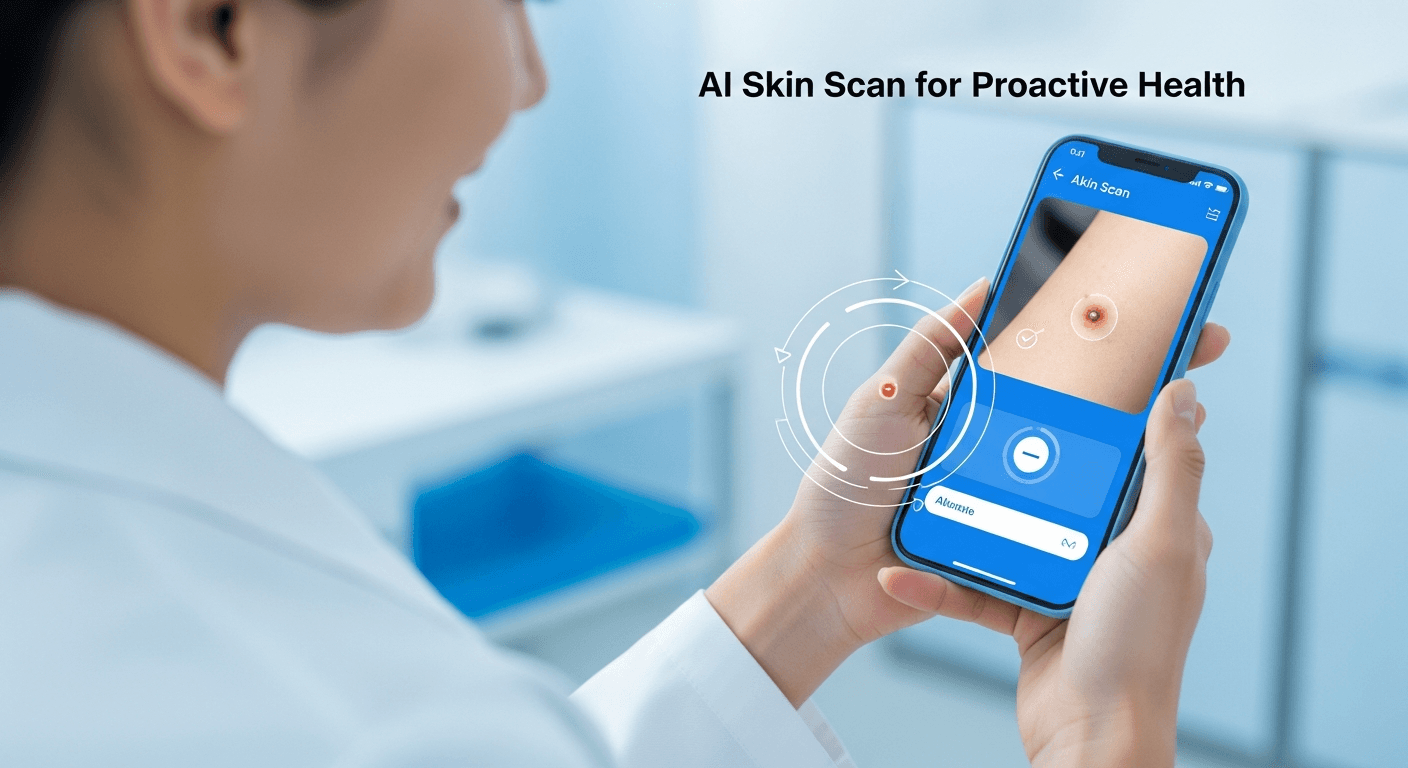
The early detection of skin cancer is crucial for improving cure rates and enabling less extensive surgeries and gentler medical treatments. It complements primary prevention and forms an important pillar in the fight against skin cancer.
Skin Cancer Screening in Germany:
All individuals with statutory health insurance in Germany are entitled to a free skin cancer screening every two years from the age of 35. This screening is performed by dermatologists or specially trained general practitioners. The entire skin surface is systematically examined for suspicious changes. Some health insurance companies, such as Audi BKK, offer skin cancer screening from the age of 15, which underscores the growing importance of early detection even in younger people.
Studies such as "Follow-up of melanoma patients: A systematic review on current recommendations and adherence to guidelines" demonstrate the importance of adhering to aftercare guidelines that rely on such screening programs.
The Role of Self-Examination:
Regular self-examination of the skin is an important contribution to early detection. It empowers patients to proactively participate in their own health and detect abnormalities early. Modern tools like DermCheck can provide valuable support here by facilitating self-examination and objectively analyzing potential risk areas. However, it is essential to understand that such tools serve as a complement and not a substitute for professional medical examinations.
The combination of professional screening and careful self-observation maximizes the chances of detecting skin cancer at a curable stage. For more details, consult the German Cancer Information Service (DKFZ) or the German Cancer Aid.
From the age of 35, individuals with statutory health insurance are entitled to a free skin cancer screening every two years. Make use of this offer!
AI in Dermatology: Precision and Potential for Diagnostics
Digitalization and the use of Artificial Intelligence (AI) are transforming dermatology, offering new and exciting possibilities in skin cancer diagnosis and aftercare. AI algorithms are increasingly able to classify clinical and dermatoscopic images with remarkable accuracy.
AI-Powered Image Analysis:
Current studies from 2023-2024 show impressive progress in AI-supported diagnostics. For example, a study presented at the European Academy of Dermatology and Venereology Congress in 2023 revealed that AI achieves a near-perfect hit rate in identifying skin cancer. The high accuracy is attributed to improvements in AI training techniques and the quality of the data used. Precancerous lesions and melanoma cases also did not escape the systems, with the first AI model tested in 2021 still having an detection rate of 83.8 percent, while newer models are significantly more precise.
AI can be particularly helpful in assessing pigmented lesions (moles vs. melanomas). Modern dermatoscopes connected to advanced AI platforms offer detailed views of skin lesions and use AI for analysis and evaluation. The potential to significantly improve the efficiency and accuracy of diagnostics and reduce unnecessary biopsies is enormous. This is an area where innovative solutions like DermCheck can play a crucial role by making advanced image analysis directly accessible to patients, thus providing a first informed assessment that paves the way to the dermatologist.
Explainable AI (XAI):
An important research field is the development of "Explainable Artificial Intelligence" (XAI). Systems that provide their diagnoses with clear, specialist-specific explanations increase the trust and confidence of dermatologists in findings and improve diagnostic accuracy. This promotes the acceptance and integration of AI into clinical practice.
Digital Tools for Monitoring: DermCheck, Total Body Photography, and Teledermatology

Digital technologies offer various possibilities to optimize skin cancer monitoring and actively involve patients. Tools like DermCheck are at the forefront of this development and complement traditional dermatological care.
DermCheck – Your Smart Companion for Skin Health:
DermCheck is an advanced AI-powered platform designed to support users in the early detection of skin changes. By utilizing state-of-the-art image analysis algorithms, DermCheck enables an objective initial assessment of moles and other skin lesions. The app helps you identify potential risk areas and determine the right time for a doctor's visit. With DermCheck, you can document changes over time and receive an informed recommendation for further action based on AI analysis. This is by no means a substitute for a dermatologist's diagnosis but serves as a valuable tool for self-monitoring and a bridge to professional medical care.
Total Body Photography (TBP):
Digital total body photography allows doctors to capture and document the entire body surface. This technique is particularly useful for monitoring changes over time and detecting early stages of skin cancer, especially in high-risk patients. There are systems that create 2D images and 3D overview images, with 3D images approaching the specificity and sensitivity of dermatologists.
Teledermatology and Smartphone Apps:
Telemedicine platforms allow patients to securely send skin images to dermatologists, who can make a remote diagnosis. This is particularly beneficial for people in remote areas or those needing quick access to dermatological expertise. Various smartphone apps use AI algorithms to evaluate photos of skin lesions and provide recommendations for further action. They can help detect potentially dangerous skin changes early.
Potential and Limitations:
AI-powered systems have the potential to significantly improve the efficiency and accuracy of skin cancer diagnosis. They can help reduce the need for unnecessary biopsies and promote earlier detection. However, there are also limitations: studies from Basel showed that AI risk assessments can vary significantly with repeated images, and the specificity of a 3D full-body scan is significantly inferior to that of a dermatologist. One smartphone app led to a 27-fold higher rate of false-positive melanoma diagnoses. The primary goal should be to filter out patients in whom melanoma can be safely ruled out, or for whom an immediate doctor's visit is necessary. DermCheck addresses precisely this by offering an initial orientation but always recommending a visit to a specialist in case of suspected cases.
The ABCDE Rule and Practical Tips for Skin Self-Examination
Regular, monthly self-examination of the skin is an important part of early detection and aftercare, especially for people with increased risk or after a skin cancer diagnosis. The A-B-C-D-E rule has proven effective for this:
- A – Asymmetry: An irregular, non-round shape that cannot be divided into two mirror-image halves.
- B – Border: Frayed, blurred, irregular, or jagged edges.
- C – Color: Uneven, discolored, or mottled pigmentation within a mole with different shades (e.g., black, brown, red, gray, blue).
- D – Diameter: A pigmented lesion with a diameter larger than 5 mm should be closely observed. Some sources also mention larger than 2 mm.
- E – Evolving/Elevation: Is an existing mole growing nodularly in height, or has a new one appeared on an otherwise flat surface, or is it changing in shape, color, size, or structure? Itching, burning, or bleeding are also warning signs.
How to perform a self-examination:
Stand upright in front of a full-length mirror and methodically examine all body parts. A hand mirror helps with hard-to-see areas such as the back, neck, and scalp. Also, pay attention to your feet, between your toes, under your nails, genitals, anus, and mucous membranes in your mouth. Take photos during your first self-examination to better track changes over time. If you notice any abnormalities, you should immediately consult a doctor. Use reliable sources of information and your memory to perform regular checks.
Procedure of Professional Skin Cancer Screening at the Doctor's Office
Skin cancer screening is a crucial service offered by statutory cancer early detection programs and should be utilized regularly to protect your skin health.
The procedure in detail:
- Anamnesis and Risk Assessment: First, the doctor will inquire about pre-existing conditions, previous skin cancer diagnoses (personal history), family history of skin cancer, and individual risk factors such as UV exposure, skin type, and the number of moles. This helps to create your individual risk profile.
- Full Body Skin Examination: Afterwards, a thorough examination of the entire skin, from head to toe, is performed. This includes "hidden" areas often overlooked during self-examination, such as the scalp (often with a special comb), ears, oral mucous membranes, external genital areas, soles of the feet, and between the toes. A dermatoscope, a special microscope that provides a magnified and illuminated view of skin lesions and makes deeper structures visible, is often used.
- Documentation and Assessment: Suspicious moles or skin changes are documented, measured, and, if necessary, photographed to track their development over time.
- Consultation and Recommendations: If abnormalities are found, a tissue sample (biopsy) may be taken and histologically examined. The doctor discusses the results and provides individual recommendations for further action, additional examinations, or follow-up intervals.
Even if you go for regular screenings, you should continue to protect yourself from the sun and examine your skin yourself. Screening and self-examination complement each other optimally. Further information on aftercare, especially after a melanoma diagnosis, can be found on sites such as Living with Skin Cancer.
Psychosocial Support and the Role of Nutrition
A skin cancer diagnosis can have far-reaching psychological effects, from anxiety and uncertainty to depression. It is important to be aware of these challenges and seek appropriate support.
Psychological Aspects and Support:
Coping with a cancer diagnosis is a process that often requires professional psychological support. Many cancer centers and patient groups offer corresponding counseling and assistance. Sharing experiences, reducing fears, and gaining new perspectives through peer support groups can also be very helpful. Do not hesitate to use these services, as mental health is an essential part of recovery and quality of life.
Role of Nutrition and Lifestyle:
A healthy and balanced diet with plenty of plant-based foods can reduce cancer risk and support the healing process. Studies suggest that certain nutrients may have a protective effect:
- Omega-3 Fatty Acids: Inhibit COX-2, a chemical that promotes skin cancer progression, and reduce inflammation. They are found in fatty fish like salmon, sardines, mackerel, as well as in walnuts and flaxseeds.
- Polyphenols: Found in green and black tea, they can prevent skin cancer by repairing DNA damage in UV-exposed skin and reducing cell damage.
- Carotenoids: Particularly lycopene in tomatoes, can protect the skin from UV-induced damage. It is recommended to eat carotenoid-rich vegetables.
However, nutritional supplements do not provide sole protection against skin cancer and should never replace a balanced diet or medical treatments. A healthy lifestyle, which also includes sufficient exercise and avoiding smoking and excessive alcohol consumption, is fundamental for overall health and reducing cancer risk.
Practical Tips for Everyday Life After a Skin Cancer Diagnosis
After a skin cancer diagnosis, it is crucial to remain proactive and consistently implement the recommended measures. This not only promotes physical health but also the sense of control and well-being.
Your Everyday Checklist:
- Regular Skin Checks: Diligently perform monthly self-examinations of your skin and strictly adhere to appointments for medical follow-up examinations. If necessary, use digital helpers like DermCheck for documentation and initial assessment of changes.
- Consistent Sun Protection: Consistently protect your skin from UV radiation to prevent new lesions or recurrences. This includes staying in the shade, wearing protective clothing, and regularly applying sunscreen with a high SPF.
- Stay Informed: Use reliable sources of information such as the German Cancer Information Service (DKFZ) or the German Cancer Aid to stay informed about current developments, new therapies, and research findings. Knowledge about your own disease and treatment options can reduce anxiety and promote compliance.
- Open Communication: Speak openly with your dermatologist about concerns, new skin changes, or questions about aftercare. A trusting doctor-patient relationship is invaluable.
- Skin Care: Pay attention to good skin care to strengthen the skin's barrier function and avoid irritation. Discuss with your doctor which skin care products are suitable for you, especially if you are experiencing side effects from therapies.
- Utilize Networks: Seek contact with self-help groups or patient organizations. Sharing experiences with people who have gone through similar situations can be a tremendous support and provide valuable practical tips for everyday life.
These practical tips will help you actively manage your aftercare and look to the future with confidence. Remember, you are not alone on this journey.
Regularly take photos of your moles and check them for changes. Apps like DermCheck can effectively assist you in this.
Conclusion: Together Against Skin Cancer – Prevention, Early Detection, and Innovative Aftercare
Skin cancer aftercare and monitoring are essential components of a comprehensive treatment concept. Continuous research and the development of new technologies, particularly in the field of Artificial Intelligence and personalized medicine, open up promising perspectives for more precise diagnoses and more effective treatments. Current epidemiological data underscore the necessity of prevention and early detection, as the incidence of skin cancer, especially malignant melanoma, remains high.
For patients, this means taking an active role in their aftercare – through regular self-examinations, consistent use of sun protection measures, and participation in offered skin cancer screenings. Innovative digital helpers like DermCheck empower patients by providing intelligent support for self-monitoring and facilitating the path to early medical clarification.
For dermatologists, it is of utmost importance to be familiar with the latest guidelines, integrate innovative treatment methods, and use digital diagnostic tools critically and purposefully to ensure the best possible care for each patient. Only through a collaborative, informed approach by patients and specialists can we successfully master the challenges posed by skin cancer and protect the long-term health of our patients' skin.
Medical Disclaimer
The information provided in this article is for educational purposes only and in no way replaces professional medical advice, diagnosis, or treatment by a qualified physician. Artificial Intelligence (AI) and digital tools such as DermCheck are valuable aids to support self-monitoring and early detection but can never replace the expertise and clinical judgment of a dermatologist. If you suspect skin cancer or have other medical concerns, you should always consult a qualified specialist. Take medical symptoms seriously and do not hesitate to seek professional help.
Quellen & Studien (40)
- krebshilfe.de
- dm.de
- lifelink-medical.com
- verbraucherzentrale.de
- audibkk.de
- krebsdaten.de
- uni-tuebingen.de
- krebsdaten.de
- wikipedia.org
- forschung-und-wissen.de
- blick.ch
- onko-portal.de
- esanum.de
- spektrum-dermatologie.de
- awmf.org
- tk.de
- infoportal-hautkrebs.de
- aimatmelanoma.org
- helios-gesundheit.de
- aerztezeitung.de
- pflege.de
- der-privatarzt.de
- skincancer.org
- onko-portal.de
- krebsinformationsdienst.de
- krebshilfe.de
- skincancer.org
- melanom-wissen.ch
- dres-waldmann.de
- krebshilfe.de
- krebsinformationsdienst.de
- hautarzt-in-porta.de
- gesundheitsinformation.de
- melanom-wissen.ch
- aimatmelanoma.org
- aimatskincancer.org
- gelbe-liste.de
- dkfz.de
- biermann-medizin.de
- deutschesgesundheitsportal.de