Basal Cell Carcinoma: Most Common Skin Cancer | DermCheck AI Screening
Explore causes, symptoms & modern treatments for Basal Cell Carcinoma, the most common white skin cancer. Learn how DermCheck supports early detection.
Gepubliceerd op 2026-03-16 · DermCheck Editorial
Introduction: Basal Cell Carcinoma & DermCheck – The Role of AI in Skin Cancer Prevention
Dermatologist ultimate guide to Basal Cell Carcinoma
As a medical writer for DermCheck, an innovative AI-based skin cancer screening service, today we delve into one of the most critical topics in skin health: Basal Cell Carcinoma (BCC). Often still known by the outdated term "Basalioma," this is the most common malignant skin neoplasm worldwide. It is a type of "white" or non-melanocytic skin cancer, whose significance should not be underestimated due to its frequency and potential for local tissue destruction.
In this comprehensive article, we will examine the latest findings from 2023 to 2026 on the causes, detection, and modern treatment methods of basal cell carcinoma, based on the newest scientific studies and medical guidelines. We will elaborate on the role of Artificial Intelligence in diagnosis and show you how DermCheck, as your digital companion, can support early detection. Our goal is to inform you comprehensively and empower you to actively contribute to your skin health.
Epidemiology and Current Statistics (2023-2026): A Growing Problem in Central Europe
Basal Cell Carcinoma (BCC) is by far the most common malignant tumor among fair-skinned populations in Central Europe. Its clinical relevance stems from its locally infiltrative and destructive growth, whereas metastasis is fortunately extremely rare. The steadily increasing incidence makes BCC an increasingly important health issue.
According to current statistics, the incidence of basal cell carcinoma in Germany is at least 200 new cases per 100,000 inhabitants per year. However, it is likely that this figure underestimates the actual frequency, as most cancer registries primarily record only the first occurrence of BCC, and multiple tumors in the same patient are not always fully registered. Projections for the coming decades indicate a further increase in incidence. The lifetime prevalence for Central and Northern European ethnicities is estimated at over 10%, meaning that more than one in ten people will develop basal cell carcinoma in their lifetime. These figures underscore the need for increased prevention and early detection.
Age and Gender Distribution and Metastasis Risk
Basal cell carcinoma typically occurs in older age. The average age of onset in Germany, according to cancer registry data, is approximately 73 years for men and 71 years for women, with men tending to be slightly more affected. Alarmingly, a trend towards earlier onset has been observed in recent years, particularly in women. This could be related to changes in sun exposure habits and underscores the importance of education even among younger populations.
A characteristic feature of basal cell carcinoma, distinguishing it from other skin cancers like melanoma, is its extremely rare tendency to metastasize. The estimated incidence of metastasis is only between 0.0028% and 0.55% of cases. However, when metastasis does occur, it is associated with significantly increased mortality. The median survival time for isolated lymphatic metastasis is about 87 months, and for hematogenous metastasis, only 24 months. Preferred sites for metastasis include muscle, bone, lungs, and lymph nodes. This highlights the immense importance of early detection and adequate local therapy to minimize this rare but severe risk. Further information on the incidence and definition of skin cancer can be found on the ONKO-Internetportal.
Causes and Risk Factors: UV Radiation as the Main Driver

The development of basal cell carcinoma is a complex process involving various factors. By far the most significant and well-researched risk factor is ultraviolet (UV) radiation, particularly in the form of sun exposure. Intense UV exposure, whether chronic over many years or in the form of intermittent high exposure peaks – especially severe sunburns in childhood and adolescence – leads to DNA damage in the basal cells of the skin, which can eventually lead to their malignant transformation.
The use of solariums poses a particularly high risk for the development of BCCs, as they expose the skin to concentrated UV radiation. People who are professionally exposed to very high UV radiation, such as construction workers or farmers, also have a significantly increased risk of developing BCC (Odds Ratio 1.43; 95% CI 1.23 - 1.66). The cumulative UV dose appears to play a crucial role here. Therefore, consistent UV protection is the most important measure for primary prevention of basal cell carcinoma. The German Cancer Aid provides comprehensive information on skin cancer prevention that you should definitely consider.
Avoid direct sun exposure between 10 AM and 4 PM. Wear protective clothing, a wide-brimmed hat, and sunscreen with SPF 30-50+. Completely abstain from tanning beds.
Genetic Predisposition, Skin Type, and Other Risk Factors
In addition to UV radiation, genetic factors also play a role in the development of basal cell carcinoma. People with fair skin types (Fitzpatrick Skin Types I and II), characterized by low skin pigmentation and a tendency to sunburn easily, have a significantly increased risk. A family history of skin cancer also increases an individual's risk.
A rare but significant example of a genetic predisposition is Basal Cell Carcinoma Syndrome, formerly known as Gorlin-Goltz Syndrome or Basal Cell Nevus Syndrome. This autosomal dominant disorder involves the development of multiple BCCs at a young age, often due to a mutation in the PTCH1 gene.
Other important risk factors include:
- Basal Cell Carcinomas in personal history: Patients who have previously had a BCC have a significantly increased risk of developing further primary basal cell carcinomas and other epithelial malignancies. Corresponding information from the DKFZ emphasizes this.
- Chronic Arsenic Exposure: Long-term exposure to certain harmful substances like arsenic is a known risk factor.
- Ionizing Radiation: Exposure to ionizing radiation, e.g., during previous radiation therapies, can also increase the risk.
- Long-term Immunosuppression: A suppressed or severely weakened immune system, for example, after organ transplants or in certain autoimmune diseases, significantly increases the BCC risk.
- Scars and Chronic Ulcerations: Particularly in non-chronically UV-exposed areas, these can promote the development of BCC, as a recent review study highlights.
- Medicinal Causes: There is evidence that certain medications, such as the diuretic hydrochlorothiazide (HCT), may increase the risk of non-melanoma skin cancer.
Early Detection: Clinical Picture and Dermoscopy as Key
Basal Cell Carcinoma: Everything you need to know about the most common skin cancer #bcc #skincancer
Early detection of basal cell carcinoma is of utmost importance for treatment success, as it grows locally destructively and can severely damage surrounding tissues, such as cartilage or bone, in advanced stages. Delayed diagnosis can lead to more complex treatments and less favorable aesthetic outcomes.
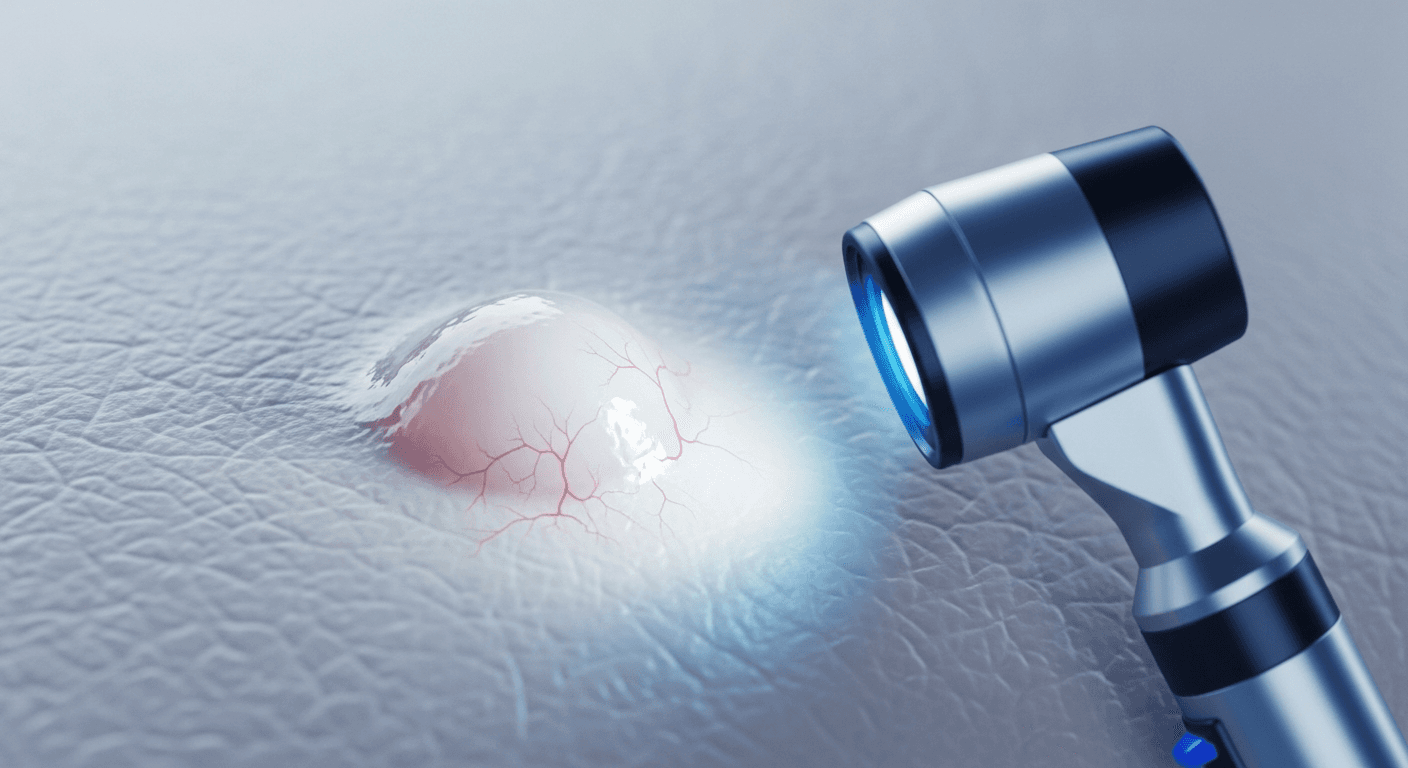
The first and most important method of detection is clinical inspection of the skin. Basal cell carcinomas often appear as a slightly translucent bump with a shiny, pearl-like border, permeated by fine blood vessels (telangiectasias), and may ulcerate in the center (rodent ulcer). However, the clinical appearance is highly variable and includes various forms such as nodular, superficial, sclerodermiform (scar-like), pigmented, or ulcerated types. This diversity often makes diagnosis challenging and requires trained personnel.
Dermoscopy is an indispensable non-invasive diagnostic procedure in dermatology. It allows suspicious lesions to be evaluated more accurately under tenfold magnification. For the diagnosis of basal cell carcinomas, the sensitivity and specificity of dermoscopy are each over 90%. Pigmented BCCs often show gray-brown to gray-black structures reminiscent of a maple leaf under dermoscopy, while non-pigmented forms are characterized by branched vascular patterns. This method significantly improves diagnostic precision and reduces the number of unnecessary biopsies. A comprehensive overview of diagnostics can be found in this PubMed review.
Advanced Diagnostics: Non-Invasive Imaging Procedures
In addition to clinical assessment and dermoscopy, other non-invasive imaging procedures are used to support the diagnosis of basal cell carcinoma and, in particular, to preoperatively assess the extent of the tumor. These technologies help optimize treatment planning and minimize the risk of recurrence.
These procedures include:
- Confocal Laser Microscopy (CLM): This high-resolution method enables in vivo visualization of skin structures at the cellular level. It can help precisely define tumor margins and detect subtle changes not visible to the naked eye or dermatoscope.
- Optical Coherence Tomography (OCT): Light-Chain Optical Coherence Tomography (LC-OCT) in particular has proven to be promising. A prospective study showed significantly higher specificity of LC-OCT compared to dermoscopy with similar sensitivity for the diagnosis of BCC. LC-OCT offers a kind of "optical biopsy" and allows for depth assessment of the tumor, which is particularly important for planning incision margins.
- High-frequency Sonography: This method can be helpful for the preoperative determination of the lateral and deep extent of BCC. It is particularly useful for larger or deeper infiltrating tumors to obtain a better assessment of tumor boundaries before surgical intervention.
- Magnetic Resonance Imaging (MRI): In cases of suspected perineural growth, i.e., tumor growth along nerves, MRI with fat-saturated, high-resolution, contrast-enhanced T1w sequences is the method of choice. Although small-foci or thin-layer tumor growth along smaller nerves is difficult to detect by imaging, MRI can provide valuable information for further therapy planning in cases of larger infiltrations. Information on symptoms and diagnosis is also available from the Gelbe Liste.
The Gold Standard: Histological Confirmation for Definitive Diagnosis
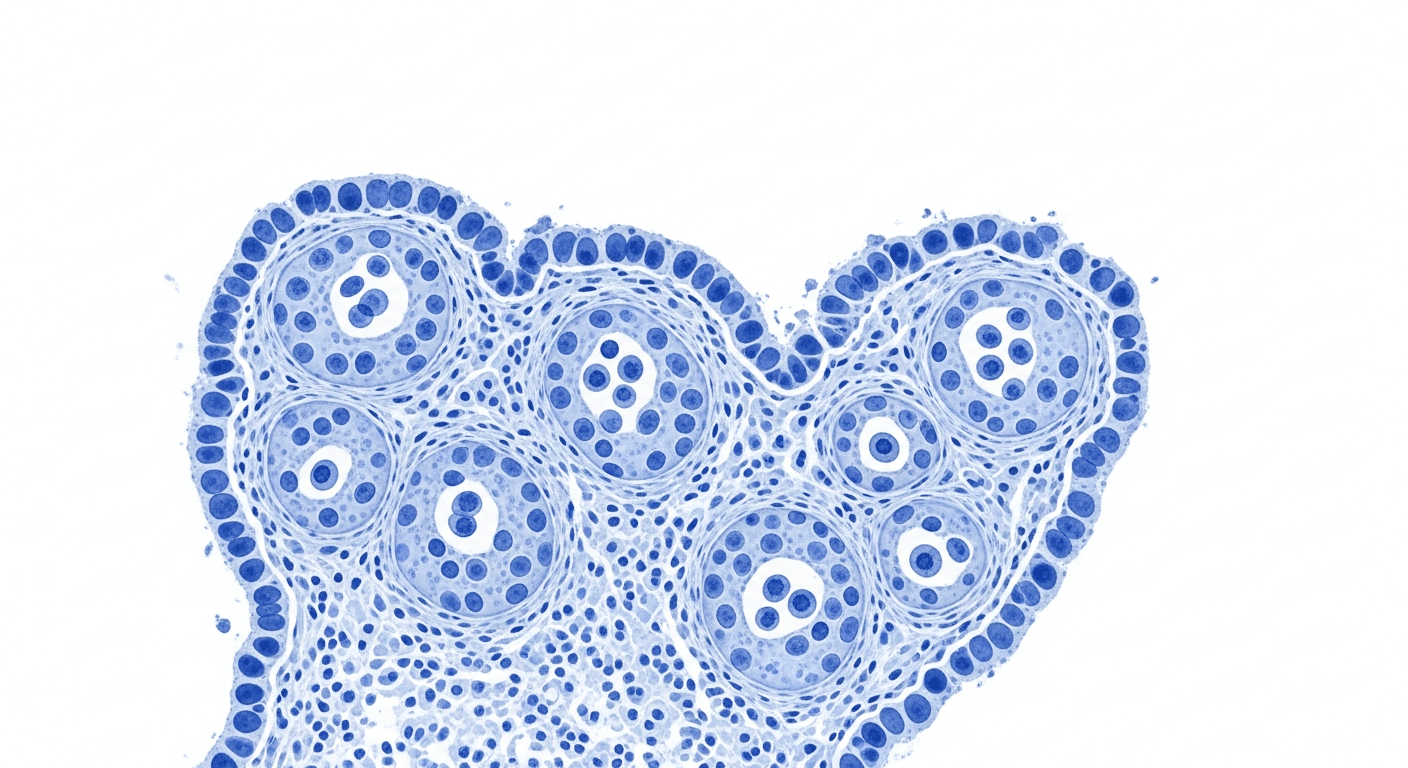
Despite all advances in clinical and non-invasive imaging diagnostics, histological examination of the excised tissue sample remains the undisputed gold standard for definitive diagnosis of basal cell carcinoma. This procedure is mandatory to establish a conclusive diagnosis and exclude other skin lesions.
Biopsy or excision of a suspicious skin lesion provides the pathologist with the necessary tissue material to identify the characteristic features of basal cell carcinoma cells under the microscope. These include basaloid cells with a palisading arrangement at the edge of tumor cell nests, clefts between tumor and stroma, and mitotic figures. Histological examination not only confirms the diagnosis but also allows for precise classification of the tumor into its various subtypes (e.g., nodular, superficial, micronodular, infiltrative, sclerodermiform). This precise subtyping is crucial as it significantly influences tumor aggressiveness and thus further therapy planning.
Furthermore, histological examination can confirm the complete removal of the tumor with clear margins – meaning no tumor cells at the surgical edges. This is a critical factor for prognosis and minimizing the risk of recurrence. The importance of histological confirmation is also highlighted in the European guidelines for the diagnosis and treatment of basal cell carcinoma.
Medical Guidelines and Recommendations: The AWMF Standard 2023/2024
The guideline-based care of patients with basal cell carcinoma in Germany is guided by the evidence-based recommendations of the S2k Guideline "Basal Cell Carcinoma of the Skin" (AWMF Register Number: 032/021). This guideline was last updated in 2023, and version 9.0 came into force in January 2024. It was developed under the leadership of the German Cancer Society (DKG), the German Dermatological Society (DDG), and the Dermatological Oncology Working Group (ADO). The "S2k" status means that a formal consensus was reached among the participating specialist societies, which underlines its broad acceptance and relevance.
An important change in the guideline is the emphasis on moving away from the historical term "Basalioma" towards the correct designation "Basal Cell Carcinoma". This is intended to highlight the potential aggressiveness of the tumor and align with international terminology. For treatment decisions, TNM classification is not primarily decisive. Instead, the recurrence risk is used, determined by various criteria, including the tumor's location, diameter, boundaries, presence of previous recurrence, prior radiation therapy, histological subtype, and any perineural growth.
This risk-stratified approach enables more individualized and targeted therapy. Detailed information and the complete guideline are available on the AWMF website. The HAUTKREBS-NETZWERK DEUTSCHLAND e.V. also provides information on the updated guideline.
The S2k Guideline 'Basal Cell Carcinoma of the Skin' (AWMF 032/021) from 2023/2024 is the authoritative standard for diagnosis and therapy in Germany.
Treatment of Basal Cell Carcinoma: Surgical Excision as the Gold Standard
Basal Cell Carcinoma: Symptoms, Diagnosis, Treatment | Mass General Brigham
The therapy for basal cell carcinoma is diverse and must be individually tailored to the tumor type, its size and location, existing risk factors, the patient's general health, and their preferences. Despite the development of numerous alternative methods, surgical removal of the tumor remains the first choice of therapy in most cases and the undisputed gold standard of local therapy.
Surgical excision aims to completely remove the tumor with clear margins, where the edges are histologically checked for tumor freedom. For basal cell carcinomas with a low risk of recurrence, a safety margin of 3 to 5 mm is recommended. A cure rate of over 95% can be achieved with this method. For high-risk tumors, tumors in aesthetically or functionally important areas (e.g., the H-zone of the face: nose, eyelids, lips, ears), or in cases of recurrence, micrographically controlled surgery according to Mohs (Mohs surgery) is used. This technique allows for maximum tumor control while maximally sparing healthy tissue by progressively removing thin layers of skin and immediately examining them microscopically until all tumor cells are removed. The RWTH Aachen University Hospital provides detailed information on this and other procedures. A current overview of the various treatment options is also provided in the JOURNAL ONKOLOGIE.
Non-Surgical and Topical Therapies: Alternatives for Selected Cases
For low-risk basal cell carcinomas or in special clinical situations, such as in elderly, multimorbid patients or when surgery is contraindicated, various non-operative procedures are available. These enable gentle treatment with good cosmetic results:
- Radiation Therapy: An effective option, especially for inoperable tumors or patients with a high surgical risk or in areas where surgery would lead to significant aesthetic or functional impairments.
- Topical Medications:
- Imiquimod 5% Cream: An immunomodulator that activates the local immune response. Application typically occurs once daily for 5 days a week over 6 weeks and is approved for superficial basal cell carcinomas.
- 5-Fluorouracil (5-FU) Topical: A local chemotherapeutic agent also used for superficial basal cell carcinomas when surgical removal is not possible or unsuccessful.
- Photodynamic Therapy (PDT): Here, after application of a photosensitizer (e.g., 5-aminolevulinic acid or methyl ester), the skin is irradiated with special light, leading to the selective destruction of tumor cells. It is preferentially used for thin, superficial tumors and is an option when surgery is contraindicated.
- Cryosurgery: The destruction of tumor cells using liquid nitrogen through controlled freezing and thawing.
- Laser Therapy: Ablative or non-ablative lasers can be used for low-risk BCCs if other procedures are contraindicated.
These methods offer valid alternatives to surgery, the selection of which must be carefully made by the dermatologist, as emphasized by Draco.de's wound knowledge. A comprehensive overview of treatment options is also provided by Gesundheitsinformation.de.
Systemic Therapies: Targeted Approaches for Advanced Basal Cell Carcinomas
For locally advanced (laBCC) or metastatic basal cell carcinomas (mBCC) that cannot be surgically treated due to their extent or location, or where surgery would lead to significant functional limitations or mutilations, modern systemic therapy options are available.
- Hedgehog Inhibitors (HHI): These targeted therapies have ushered in a new era in systemic treatment. The Hedgehog signaling pathway plays a central role in the development of BCC. Approved active ingredients include Vismodegib and Sonidegib. They are used for locally advanced, deeply infiltrating or repeatedly recurring BCC, as well as for metastatic BCC when other treatments are not possible. They are also considered for multiple tumors in the context of Basal Cell Carcinoma Syndrome or as neoadjuvant therapy. Although the therapy can be associated with side effects and burdensome, studies have shown a significant improvement in quality of life.
- Immunotherapy (Anti-PD1 Inhibitors): Since February 2021, Cemiplimab-rwlc (Libtayo®), an anti-PD1 checkpoint inhibitor, has been approved in the USA for the treatment of certain forms of advanced basal cell carcinoma. In Germany, the approval of anti-PD1 inhibitors has established itself as a new option in second-line therapy for locally advanced and metastatic tumors (after Hedgehog inhibitors). This therapy uses the body's own immune response to fight tumor cells and has the potential to respond even in previously treatment-refractory cases.
These systemic therapies represent a significant advance in the treatment of advanced BCC and offer hope for patients who previously had limited treatment options. The ONKO-Portal provides further insights into these innovative approaches.
Hedgehog inhibitors and immunotherapies are highly effective for advanced BCC, but can have significant side effects. The decision should always be made in consultation with a specialized oncologist.
Innovative Treatment Methods: The Future of BCC Therapy (Rhenium-SCT)
Medical research is constantly advancing, and new, promising therapeutic approaches continuously expand the spectrum of treatment options for basal cell carcinoma. A particularly innovative approach is Rhenium-SCT (Skin Cancer Therapy).
Rhenium-SCT with Rhenium-188: This is an innovative, non-invasive treatment method for non-melanoma skin cancer, including basal cell carcinomas. In this therapy, the isotope Rhenium-188, which emits beta radiation, is applied to a special foil and placed once on the affected skin area for 30 to 180 minutes. Since the radiation penetrates only a few millimeters deep into the skin, healthy surrounding tissue is optimally spared. An international study (as of July 2025), in an interim analysis of 140 patients with 185 superficial skin tumors, showed complete remission in 94.1% of treated lesions after twelve months. The treatment is outpatient, generally painless, and has been evaluated as a safe, effective, and well-tolerated alternative to surgery, especially for flat tumors. Side effects were limited to temporary, sunburn-like skin reactions. This offers an attractive option for patients who wish to avoid surgery or for lesions in difficult areas.
In addition to Rhenium-SCT, further targeted Hedgehog inhibitors are continuously being researched to further improve the efficacy and tolerability of systemic therapies. For patients with advanced or metastatic tumors, participation in clinical studies is an important option to gain access to new active ingredients and innovative treatment methods and thus actively contribute to the advancement of medicine. Comprehensive information on all available options, as recommended by the German Cancer Aid, is essential.
AI and Digital Diagnostics in Dermatology: Revolutionary Support for Doctors and Patients
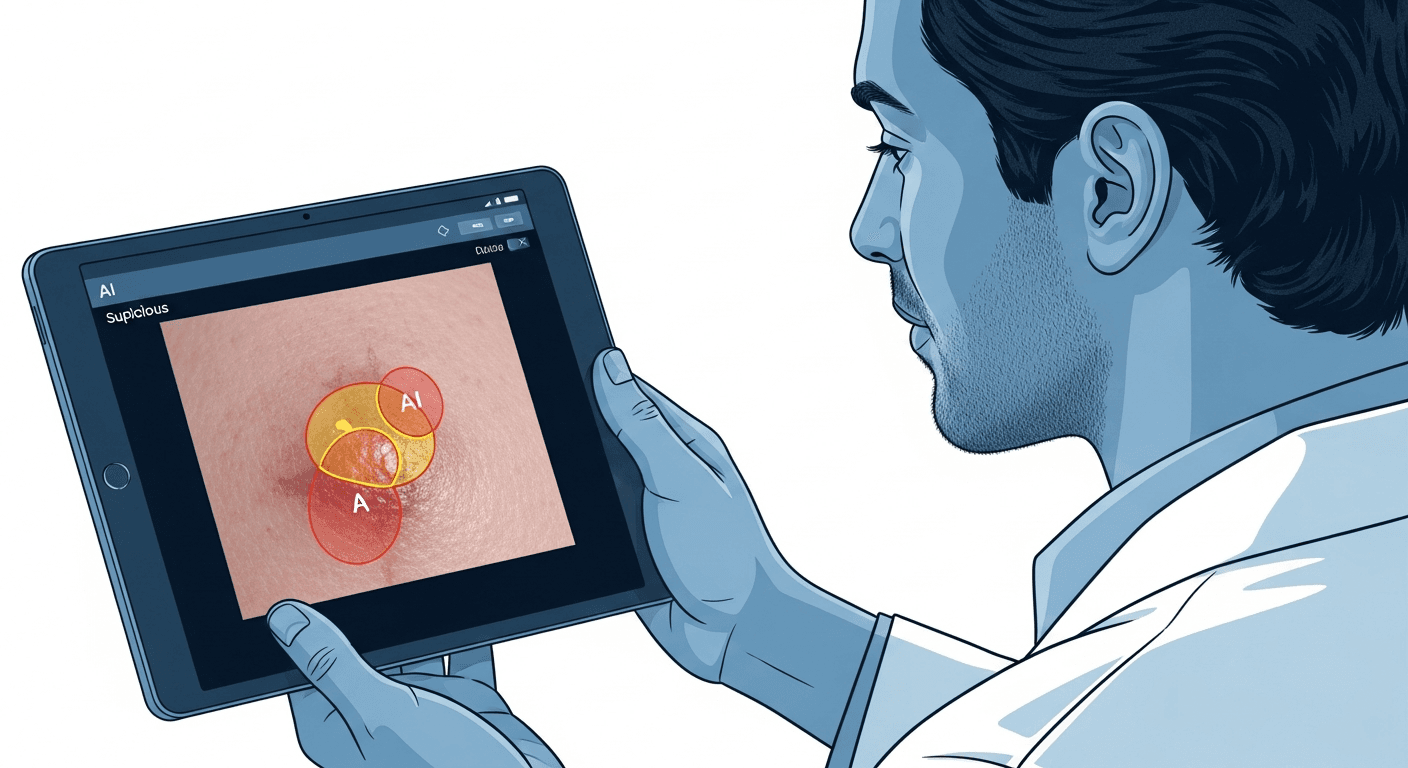
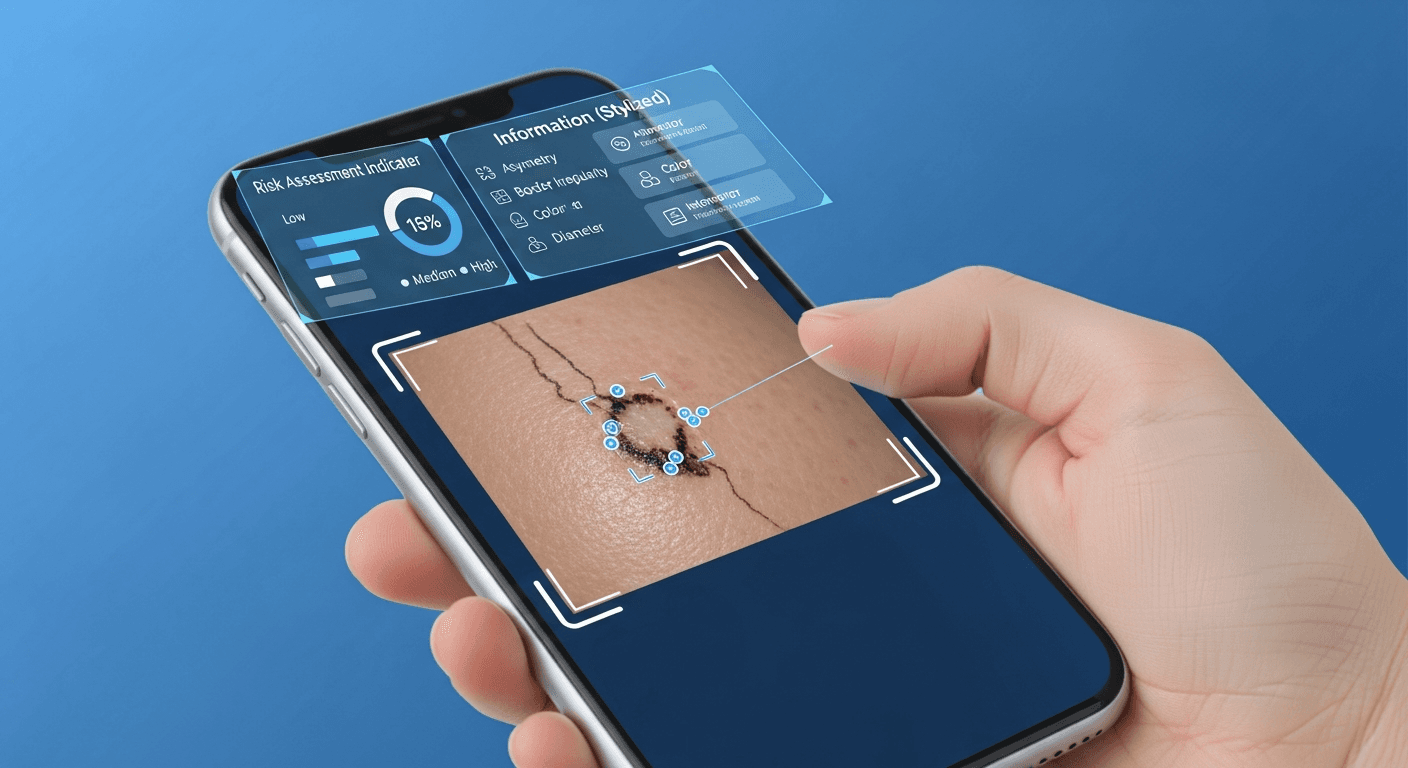
The integration of Artificial Intelligence (AI) and digital diagnostics is increasingly revolutionizing dermatology and offering new, promising possibilities in skin cancer detection and diagnosis. For platforms like DermCheck, this is the core of their mission to improve early detection of skin cancer and facilitate access to diagnostics.
AI-powered Diagnostics: AI-based systems, especially those based on deep learning and neural networks, show enormous potential to support the detection of skin cancer, including basal cell carcinoma:
- Dermatopathological Routine: A November 2023 study demonstrated the successful use of an AI-based model for automated basal cell carcinoma detection in dermatopathological routine diagnostics. In routine operation, the model achieved a sensitivity of 98.23% and a specificity of 98.51% and could significantly support dermatopathological work.
- Non-invasive Diagnostic Devices: In January 2024, the FDA approved DermaSensor, the first AI-powered tool for non-invasive skin cancer diagnosis (including melanoma, basal cell carcinoma, and squamous cell carcinoma) at the time of testing. This portable device uses spectroscopy technology to examine lesions at cellular and subcellular levels and analyzes their characteristics using an FDA-approved algorithm.
- Improvement in Diagnostic Precision: Newer AI models using transfer learning and test time augmentation can classify skin lesions into various categories (e.g., melanoma, basal cell carcinoma, benign keratosis) and achieve accuracy rates of up to 94.49%. These advances can reduce the need for unnecessary biopsies and promote earlier detection.
Challenges and Acceptance: Despite the impressive performance, many dermatologists have reservations about AI systems because their decision-making is often not transparent ("black box" problem). For this reason, "Explainable AI" (XAI) systems are increasingly being developed. These systems attempt to make their decisions understandable by using established diagnostic features that refer to specific areas of suspicious lesions. Studies have shown that such explanations increase doctors' trust in AI decisions – and also in their own diagnoses.
Advantages of Digital Diagnostics: Digital image analysis and AI can relieve dermatologists, objectify diagnosis, improve detection rates particularly in early stages, and potentially facilitate access to diagnostics, for example through telemedicine. DermCheck focuses precisely on this by providing you with a tool to identify suspicious skin changes early and thus pave the way to a specialist.
Patient-Relevant Information: Active Protection and Early Detection
As a patient, you play a crucial role in the prevention and early detection of basal cell carcinoma. Your awareness and responsible actions are the best tools in the fight against skin cancer.
a) Prevention Measures and Risk Factors:
- Comprehensive UV protection is essential: This is the most important measure for primary prevention of BCC.
- Seek shade: Avoid the sun during the most intense hours (between 10 AM and 4 PM).
- Wear protective clothing: Clothing with long sleeves and pants, a wide-brimmed hat, and sunglasses provide effective protection.
- Use sunscreen: Apply sunscreen with a high sun protection factor (SPF 30 or 50+) generously and regularly to all exposed skin areas.
- Avoid tanning beds: Tanning beds are proven to contribute to skin cancer development and accelerate skin aging.
- Risk awareness: Be aware of your individual risk factors (fair skin type, previous sunburns, family history of skin cancer, previous BCC diseases).
- Nicotinamide for secondary prevention: For patients who have already had a basal cell carcinoma, taking Nicotinamide 500 mg twice daily can be used for secondary prevention. Retinoids, however, should not be used for BCC prevention.
b) Detection and Early Detection:
- Skin cancer screening: Regularly participate in skin cancer screening examinations by a trained doctor. In Germany, insured persons over 35 years of age are entitled to a standardized full-body skin examination every two years.
- Self-examination of the skin: Perform a thorough monthly self-examination of your entire skin. Pay attention to new skin changes or changes in existing spots.
- Recognize warning signs: Consult a dermatologist immediately if you notice the following changes:
- A new, pearly, shiny lump on the skin.
- An open wound that does not heal or repeatedly scabs over.
- A reddish, scaly or raised area that may itch, hurt, or bleed.
- A scar-like area without prior injury.
- Any non-healing lesion, especially in sun-exposed areas.
The MSD Manual provides further patient-friendly information on basal cell carcinoma. Information on cancer prevention in general can be found at the DKFZ Cancer Information Service.
Perform a thorough self-examination of your skin once a month to detect new or changing moles early. Use a mirror for hard-to-reach areas.
Living with the Diagnosis and Aftercare: Your Path to Long-Term Health
A diagnosis of basal cell carcinoma can be unsettling, but with today's treatment options and consistent aftercare, the chances of recovery are very good. It is important to actively manage your diagnosis and work closely with your doctor.
a) Education and Informed Decision-Making:
- Have your treating physician comprehensively inform you about the diagnosis, individual risks, and recommended therapy options. Ask questions and express your concerns. Informed decision-making, taking into account your personal preferences, is of great importance.
- If you do not wish to undergo surgery or are considering alternative therapy options, discuss this openly with your doctor. Together, you will find the best treatment path for you.
b) Aftercare:
- After completed therapy, standardized, risk-stratified aftercare is essential. It serves for the early detection of local recurrences (recurrence of the tumor at the same site) and the discovery of secondary tumors. Since patients who have already had a BCC have an increased risk of developing further skin cancers, aftercare is a crucial part of management.
- For low-risk recurrences, the first follow-up examination should generally take place after six months to rule out a local recurrence, and then annually. For high-risk tumors or multiple BCCs, more frequent controls may be necessary.
- Aftercare includes a renewed full-body skin inspection, with particular attention paid to new or changing lesions. Your dermatologist will inform you about the appropriate aftercare plan for you. Information on prevention in general is provided by the German Cancer Aid.
Through this consistent care and your own vigilance, you can significantly contribute to your long-term skin health.
After basal cell carcinoma treatment, regular follow-up appointments with your dermatologist are essential to detect recurrences and new tumors early.
Conclusion and Outlook: Together Against Skin Cancer – The Future of Dermatology with DermCheck
Basal cell carcinoma is the most common white skin cancer, with its incidence continuing to rise in Germany and worldwide. Although it rarely metastasizes, it carries significant potential for local tissue destruction, making early detection through regular self-examination and professional skin cancer screenings of utmost importance.
Treatment options range from proven surgical excision as the gold standard to various topical and non-surgical procedures, up to modern systemic therapies such as Hedgehog inhibitors and immunotherapeutics for advanced cases. Innovative approaches like Rhenium-SCT show promising results and expand the therapeutic spectrum, offering patients more options and better outcomes.
Dermatology is also experiencing a revolution through the use of Artificial Intelligence and digital diagnostic tools. Technologies like DermCheck can significantly improve diagnostic precision, support doctors in their work, and optimize access to early detection. As DermCheck, our goal is to support you with the most modern technologies and provide you with a tool that empowers you to proactively manage your skin health.
As a responsible digital health platform, it is our duty not only to support patients technologically but also to comprehensively educate them about preventive measures and encourage them to take an active role in protecting their skin. Through consistent sun protection, regular skin checks – supported by innovative tools like DermCheck – and the use of modern diagnostic and therapeutic options, we can jointly minimize the risk and impact of basal cell carcinoma and ensure your long-term skin health.
Important Medical Disclaimer
The information provided in this article is for informational purposes only and is not a substitute for professional medical advice, diagnosis, or treatment by a qualified physician. For any health concerns or suspected illness, please always consult a doctor or other qualified healthcare professional. Never rely on information from the internet as a substitute for individual medical advice. AI-based analysis is always a supportive tool and not a definitive medical diagnosis.
Quellen & Studien (21)
- nih.gov
- ovid.com
- awmf.org
- journalonko.de
- gelbe-liste.de
- hausaerztlichepraxis.digital
- krebsinformationsdienst.de
- apollohospitals.com
- onko-portal.de
- onko-portal.de
- derma.swiss
- doccheck.com
- doccheck.com
- krebsinformationsdienst.de
- hautkrebs-netzwerk.de
- skincancer.org
- medmedia.at
- nih.gov
- dkfz.de
- aimatmelanoma.org
- biermann-medizin.de