Skin Cancer Statistics 2024-2026: Trends, Prevention & AI Screening
Explore the latest skin cancer statistics for Germany & Europe (2024-2026). Incidence, mortality, treatments & how AI screening like DermCheck helps.
Publicēts 2026-03-16 · DermCheck Editorial
Šis raksts ir sagatavots ar mākslīgā intelekta palīdzību.
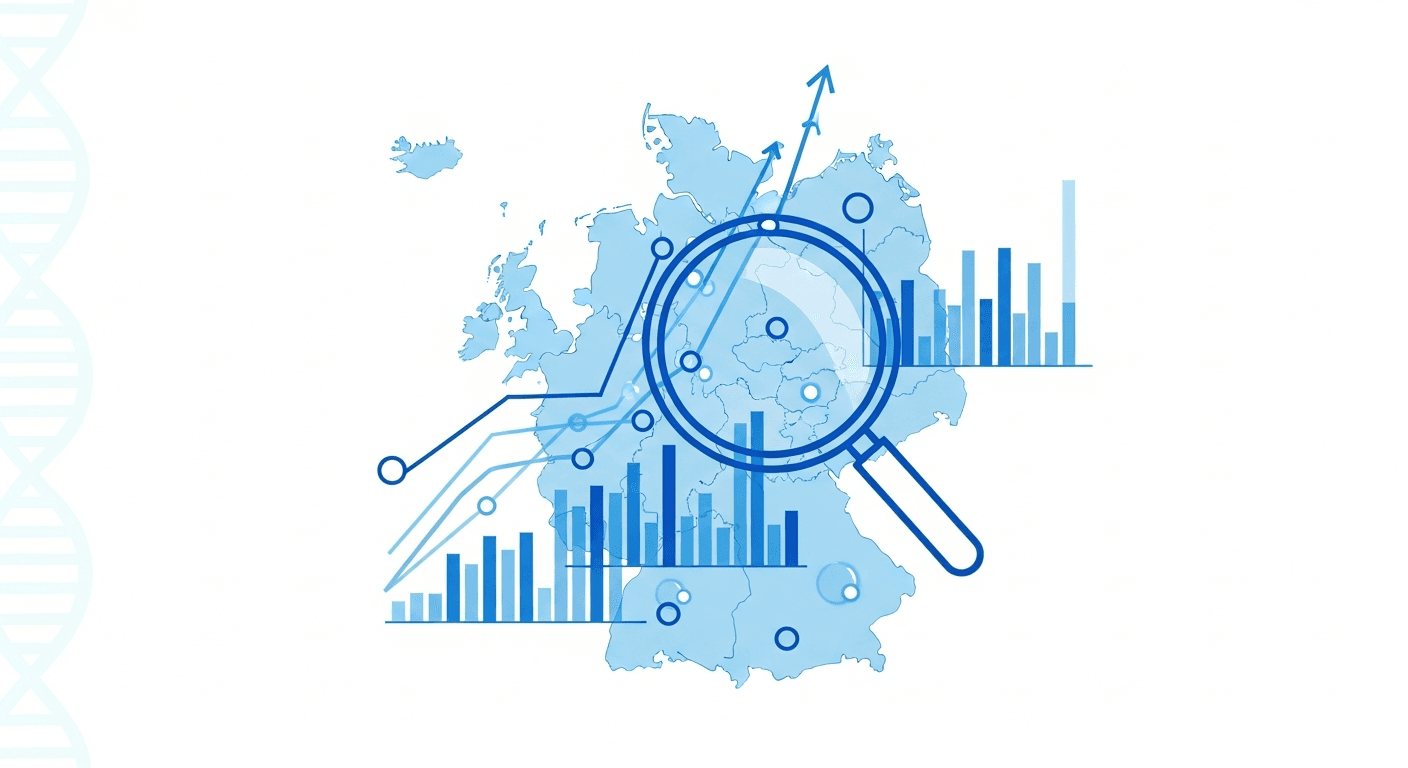
Introduction: Skin Cancer in Focus – Why Early Detection is More Important Than Ever
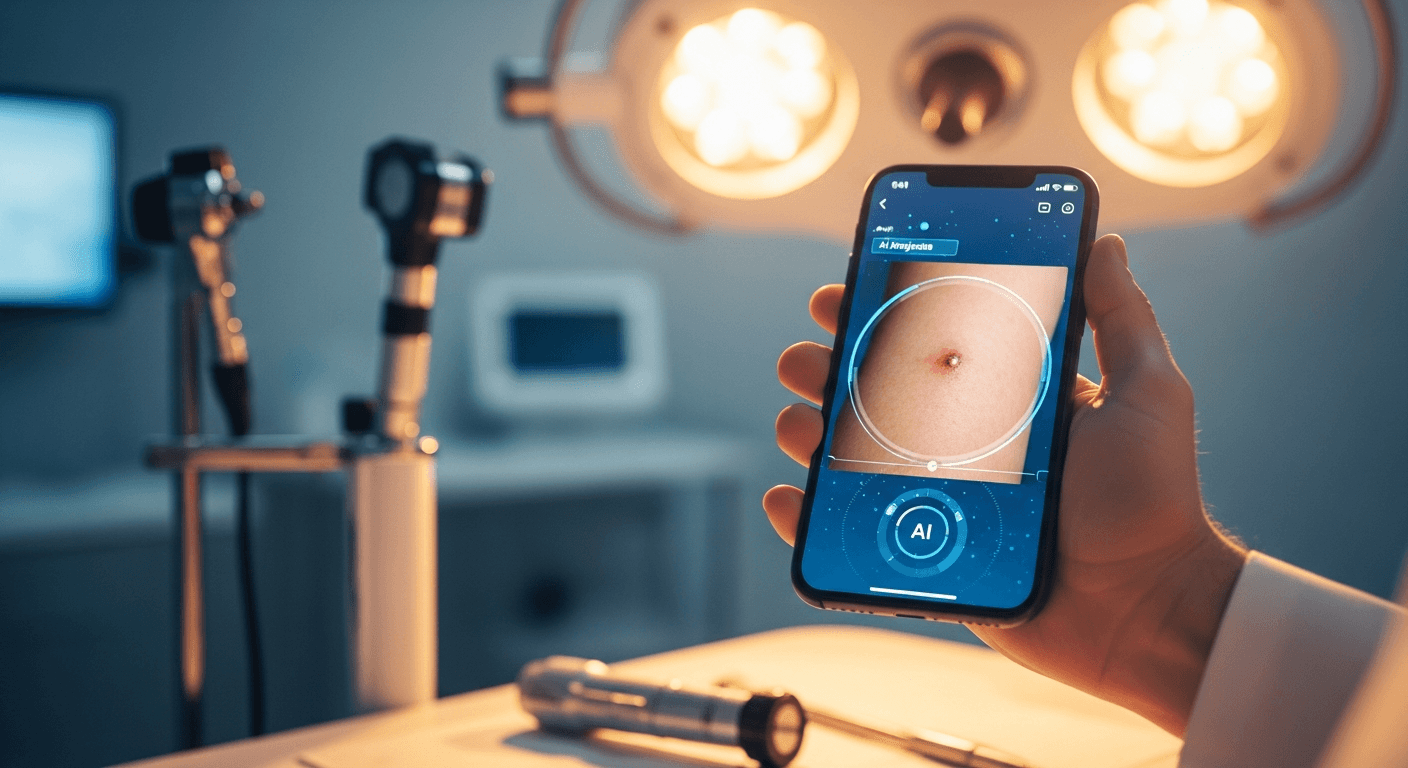
Skin cancer continues to be one of the most common cancers worldwide, with its prevalence steadily increasing. This development makes early detection and effective prevention crucial pillars in the fight against this disease. Specifically, from 2024 to 2026, Germany and Europe show distinct trends in incidence and mortality that demand close attention. While advances in therapy improve survival chances, timely diagnosis remains the key to successful treatment. Modern technologies, particularly Artificial Intelligence (AI) in dermatology, are opening new avenues to make screening more efficient and accessible. For platforms like DermCheck, it is paramount to inform you about current developments, risk factors, and ways to proactively protect your skin health. This comprehensive article highlights current data, medical guidelines, innovative treatment methods, and preventive measures to provide a deep understanding of the challenges and opportunities in skin cancer prevention.
Insights from current studies and statistics for the period 2024-2026 are essential for shaping public health policy and comprehensively educating the population. It is important to consider both the figures for malignant melanoma (black skin cancer) and non-melanoma skin cancer (white skin cancer) separately, as they require different courses and prevention strategies. Continuous research and the introduction of new technologies such as AI-based screening tools offer optimistic perspectives for the future, but personal vigilance and regular medical check-ups remain indispensable.
Skin Cancer in Germany and Europe: A Growing Challenge
Skin cancer is one of the most common cancers in Germany and Europe. This group of diseases primarily includes malignant melanoma, also known as black skin cancer, and non-melanoma skin cancer, which includes basal cell carcinoma (BCC) and squamous cell carcinoma (SCC). While the overall incidence has been rising for years, there are distinct developments between the individual forms.
For the period 2024-2026, we rely on current forecasts and the latest available data, as comprehensive statistics for future years are only published with a delay. An overview article in the Journal of the European Academy of Dermatology and Venereology from October 2024 highlights the current situation and future challenges of skin cancer in Europe, including incidence and mortality forecasts up to 2040 based on GLOBOCAN data. These studies show that the persistent rise in incidence is primarily due to increasing UV exposure, an aging population, and improved diagnostic techniques.
Another important aspect is the quality and heterogeneity of data from various European cancer registries. A narrative review in the MDPI journal Cancers from February 2026 discusses the challenges in collecting skin cancer data in Europe and provides estimates from the European Cancer Information System (ECIS) for 2024. This information is crucial for drawing a clear picture of the epidemiological landscape and developing targeted prevention and treatment strategies.
Similar trends are also observed globally, as shown in the chapter "Epidemiology of Skin Cancer in 2024" from IntechOpen. It focuses on global incidence, prevalence, risk factors, and the development of both main forms of skin cancer in 2024. These global insights mirror the local and regional challenges in Germany and Europe and underscore the need for consistent measures in skin cancer prevention and treatment.
Malignant Melanoma: Incidence and Trends in Germany (2024-2026)
Malignant melanoma, often referred to as black skin cancer, is the most aggressive form of skin cancer and has seen a significant increase in new cases in recent decades. Current estimates from the Robert Koch Institute (RKI) for 2022 predicted approximately 25,570 new cases in Germany. Women were slightly more affected with 12,970 cases than men with 12,600 cases. The age-standardized incidence rate was 27.2 per 100,000 inhabitants.
Interestingly, the incidence of melanoma has shown a slight stabilization or even a minor decline in certain age groups recently. This could be an initial indication of improved early detection programs and increased awareness of prevention measures. Nevertheless, the disease remains a serious threat, especially as it can also occur in younger age groups.
Regional cancer registries also provide valuable insights. The Hessian Cancer Registry published current epidemiological figures for malignant melanoma in Hesse in February 2025, which often reflect and confirm Germany-wide rates. The German Cancer Aid (Deutsche Krebshilfe) summarizes the current statistics for Germany for the diagnosis year 2023 and emphasizes the ongoing relevance of early detection. These data show that vigilance among the population and medical professionals remains crucial to long-term control of malignant melanoma incidence.
Non-Melanoma Skin Cancer (NMSC): The Silent Numbers in Germany
Non-melanoma skin cancer, often referred to as white skin cancer, is much more common in Germany than malignant melanoma, but is often underestimated due to its generally good prognosis and lower aggressiveness. The Robert Koch Institute estimated approximately 230,130 new cases in Germany for 2022. Men were significantly more affected with 123,670 cases than women with 106,460 cases. The age-standardized incidence rate was an impressive 257.8 per 100,000 inhabitants.
Within this group, basal cell carcinoma (BCC) is the most common form, followed by squamous cell carcinoma (SCC). The incidence of both tumors has been continuously increasing for years. The main causes for this are the increasing aging of the population and cumulative UV exposure over the lifespan. Information from the Center for Cancer Registry Data (Krebsdaten.de) from 2023 provides current estimates for new cases and deaths of this type of skin cancer in Germany.
Regional differences and trends are also important. The Bavarian State Office for Health and Food Safety (LGL) provided statistics in July 2024 on the incidence and mortality of skin cancer in Bavaria for 2021, which confirm Germany-wide trends since the 1980s. These data underline that white skin cancer represents a significant but often silently accepted burden on the healthcare system. Although mortality rates are comparatively low, the high incidence numbers lead to considerable treatment effort and, with inadequate or delayed therapy, can lead to local destruction and, in rare cases, metastasis.
Skin Cancer Mortality in Germany: A Differentiated Picture
Despite high incidence rates, skin cancer mortality in Germany is differentiated and relatively low compared to many other cancers, especially if the disease is detected early. Advances in diagnosis and therapy have had a significant impact here.
For malignant melanoma, the RKI predicted approximately 3,190 deaths in Germany for 2022 (1,920 men, 1,270 women). The age-standardized mortality rate was 3.3 per 100,000 inhabitants. Although this is still a serious number, it is encouraging to note that mortality rates for melanoma are steadily declining due to improved therapies. This is also reflected in the information from the German Cancer Aid, which highlights the positive effects of new treatment strategies on survival rates.
For non-melanoma skin cancer, mortality is significantly lower. Approximately 1,340 deaths were predicted for 2022 (810 men, 530 women). The age-standardized mortality rate was 1.4 per 100,000 inhabitants. These figures, also confirmed by the Center for Cancer Registry Data (Krebsdaten.de), underline the generally good prognosis of these tumors when adequately and early treated. However, it is important to emphasize that even white skin cancer, especially squamous cell carcinoma, can metastasize and be fatal if treatment is sparse or growth is aggressive.
Overall, trends show that the combination of effective early detection measures and innovative therapies contributes to continuously reducing skin cancer mortality in Germany. This is an encouraging sign for patients and medical staff alike.
European Perspective: An Overview of Skin Cancer Incidence and Mortality
A look beyond Germany's borders shows that skin cancer also represents a significant health burden at the European level. The European Cancer Information System (ECIS) of the Joint Research Centre (JRC) of the European Commission provides comprehensive data for Europe and predicts persistently high incidence.
For malignant melanoma, it was estimated for 2022 that there were approximately 106,273 new cases in the EU-27, leading to 24,387 deaths. This makes melanoma one of the fastest-growing cancers in Europe. The highest incidence rates are found in Northern European countries such as the Netherlands and Denmark, as well as in regions with a fair-skinned population and high UV exposure. These figures are analyzed in detail in review articles such as "Skin cancer in Europe today and challenges for tomorrow" from the Journal of the European Academy of Dermatology and Venereology (October 2024), which provides forecasts up to 2040 based on GLOBOCAN 2020 and 2022 data.
Exact incidence figures for non-melanoma skin cancer are often more difficult to ascertain in Europe, as these tumors are not as comprehensively documented in some cancer registries as melanoma. Estimates, however, suggest that the incidence of white skin cancer far exceeds that of melanoma, with hundreds of thousands of cases per year across Europe. A narrative review in the journal Cancers (February 2026) highlights the challenges faced by European cancer registries in collecting this data and provides ECIS estimates for 2024.
Similar to Germany, Europe also shows a persistent increase in the overall incidence of skin cancer. The aging population, changed leisure habits with increased sun exposure, and awareness of the disease contribute to these figures. However, melanoma mortality also shows a downward trend here, underlining the effectiveness of new therapies and early detection programs. Worldwide skin cancer statistics, based on GLOBOCAN data and provided by the World Cancer Research Fund International (2022), confirm these developments.
The Importance of Medical Guidelines: AWMF S3 Standards
Medical guidelines are of crucial importance for standardizing and ensuring the quality of diagnostics and therapy for skin cancer. In Germany, the S3 guidelines of the Association of the Scientific Medical Societies in Germany (AWMF) play a central role. They are developed in a complex process by expert groups, based on current scientific evidence, and are intended to ensure the best possible care for patients.
The German Oncology Guidelines Program (Leitlinienprogramm Onkologie), a joint initiative of the German Cancer Society, German Cancer Aid, and AWMF, is the central platform for the development and publication of these national care guidelines in oncology. These guidelines are not only an important guide for doctors and medical personnel, but also offer patients and their relatives orientation and transparency about recommended treatment pathways.
Regular updating of the guidelines is essential to take into account new research findings, innovative therapies, and changed epidemiological data. This ensures that patients are always treated according to the latest state of knowledge. The S3 guidelines cover all important aspects of skin cancer diseases – from prevention to diagnostics and therapy, and follow-up care. Adherence to them significantly contributes to improving treatment outcomes and the quality of life of affected individuals and is a seal of quality for medical care in Germany.
S3 Guideline Melanoma: Diagnostics, Therapy, and Follow-up (Update 2022-2027)
The S3 guideline for malignant melanoma is the most comprehensive and important guideline for the treatment of black skin cancer in Germany. The last major update took place in 2022 and is valid until 2027, with a revision and planned completion by December 31, 2026, noted on the AWMF Guideline Register. It includes detailed recommendations for all stages of the disease:
- Diagnostics: Visual examination and dermoscopy are primary. For suspicious lesions, excision with safety margins and histopathological examination are performed. Sentinel lymph node biopsy is recommended for tumor thickness > 0.8 mm or ulceration.
- Staging: Depending on the stage and risk factors, imaging procedures such as sonography, CT, MRI, or PET-CT are used.
- Therapy: Surgery (primary excision with adequate safety margins) is the treatment of choice. For high-risk melanomas in stage IIB/IIC and stage III after complete resection, adjuvant therapy is recommended. This includes immunotherapies (e.g., pembrolizumab, nivolumab) or targeted therapies (BRAF/MEK inhibitors in case of BRAF mutation). For metastatic melanoma, immune checkpoint inhibitors and targeted therapies are the standard treatment, which have revolutionized the prognosis, as an article on springermedizin.de in May 2025 emphasized regarding the guideline update.
- Follow-up: Regular clinical examinations, dermoscopy, and, if necessary, imaging procedures are essential, with intensity and duration depending on the disease stage.
These guidelines are the cornerstone for evidence-based and high-quality care for melanoma patients and reflect the dynamic advances in oncology.
Guidelines for Non-Melanoma Skin Cancer: Actinic Keratosis, SCC, and BCC
In addition to malignant melanoma, there are also specific, regularly updated guidelines for non-melanoma skin cancer that aim to ensure optimal treatment. These include the precancerous condition actinic keratosis, as well as squamous cell carcinoma (SCC) and basal cell carcinoma (BCC).
The S3 guideline "Actinic Keratosis and Squamous Cell Carcinoma of the Skin" was last updated in 2020 and published as an update in the J Dtsch Dermatol Ges in November 2023. It is valid until 2025 and provides recommendations for:
- Actinic Keratosis: Topical therapies (e.g., 5-fluorouracil, imiquimod, diclofenac gel), photodynamic therapy (PDT), cryotherapy, or surgical removal.
- Squamous Cell Carcinoma: The primary therapy is surgical excision. For advanced or inoperable cases, radiation therapy, targeted therapies (e.g., cemiplimab for locally advanced or metastatic cutaneous SCC), or chemotherapy may be considered. A helpful resource for this is the Patient Guideline of the German Cancer Aid on squamous cell carcinoma of the skin and its precursors (December 2022).
For basal cell carcinoma of the skin, there is the S2k guideline, last updated in 2019 and valid until December 31, 2028 (as of January 1, 2024). Here, complete surgical removal is the most important therapy. For superficial types, topical therapies (imiquimod, 5-fluorouracil) or PDT are also possible. For inoperable, locally advanced, or metastatic basal cell carcinomas, Hedgehog pathway inhibitors (e.g., vismodegib, sonidegib) are used. These guidelines ensure that even the more common forms of skin cancer are treated according to the latest scientific standards.
Epidemiological Details: Age Distribution, Prevalence, and Survival Rates
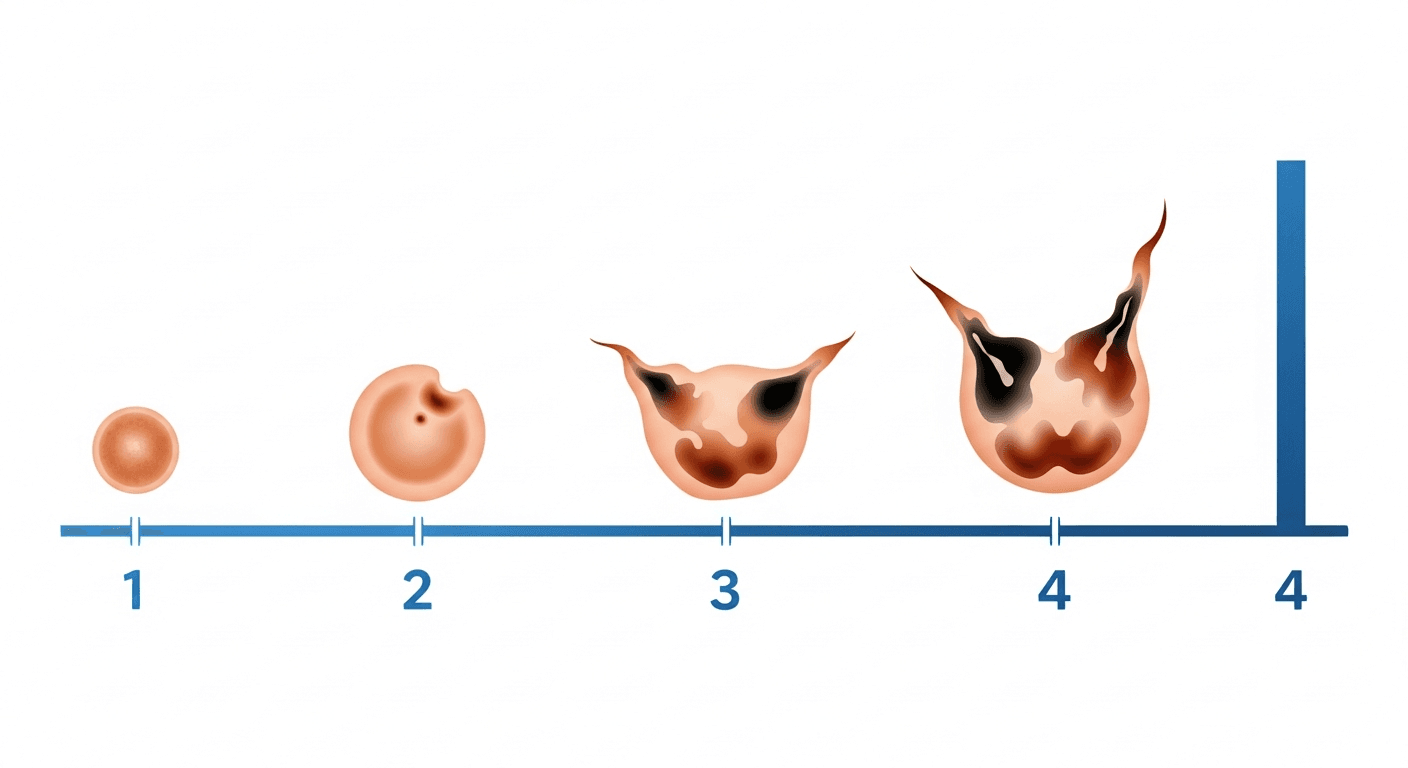
A detailed examination of epidemiological data allows for a better understanding of the disease burden and the chances of success in skin cancer treatment. The age distribution shows that skin cancer is primarily a disease of older people, with incidence increasing significantly with age. However, malignant melanoma also occurs in younger adults, while basal cell and squamous cell carcinomas typically increase from middle adulthood.
The prevalence of skin cancer is very high due to its high incidence and good survival rates. This means that many people in Germany and Europe have already been diagnosed with skin cancer in their lifetime and are living with the long-term consequences or are in follow-up care. Precise current prevalence figures are difficult to collect, but it is estimated that millions of people in Europe are affected. The information portal of the German Cancer Aid provides important information on the epidemiology of cancer diseases.
Advances in diagnosis and therapy have led to a continuous improvement in survival rates:
- Malignant Melanoma: The 5-year survival rate for malignant melanoma in Germany is approximately 93% for women and 91% for men (data from 2017-2018). This is an impressive improvement. The survival rate strongly depends on the stage of the disease at diagnosis. In the locally confined stage, the 5-year survival rate is close to 100%. With regional metastasis, it drops to about 60-70%, and with distant metastases, it is about 20-30%, although new systemic therapies have significantly improved the prognosis here. More details on frequency, causes, and risks can be found on the Skin Cancer Information Portal (as of August 2025).
- Basal Cell Carcinoma and Squamous Cell Carcinoma: The 5-year survival rates for non-melanoma skin cancer are excellent, often well over 95%, sometimes over 99%, as these tumors generally remain localized and respond well to surgical removal.
Revolutionary Therapies for Melanoma: Immunotherapy and Targeted Approaches
The treatment of malignant melanoma has undergone an unprecedented revolution in recent years with the introduction of innovative therapies. Particularly in advanced stages, patients' prognoses have dramatically improved.
- Immunotherapies: The introduction of immune checkpoint inhibitors has fundamentally changed the treatment of advanced melanoma. Anti-PD-1 antibodies (such as pembrolizumab, nivolumab) and anti-CTLA-4 antibodies (ipilimumab), often in combination, mobilize the body's immune system against cancer cells. These therapies have not only significantly increased survival rates but have also established adjuvant immunotherapy for high-risk melanomas in stages IIB/C and III, substantially improving recurrence-free and overall survival.
- Targeted Therapies: For BRAF-mutated melanomas, combinations of BRAF inhibitors (e.g., dabrafenib, vemurafenib) and MEK inhibitors (e.g., trametinib, cobimetinib, binimetinib) are used. These drugs block specific signaling pathways in cancer cells and have significantly improved response and survival time.
- T-VEC (Talimogene laherparepvec): An oncolytic virus therapy injected directly into melanoma metastases. It locally lyses tumor cells and can induce a systemic immune response. It is used for inoperable melanoma metastases in the skin and lymph nodes.
- Neoadjuvant Therapies: Current studies are increasingly investigating the use of immunotherapies or targeted therapies before surgery (neoadjuvant) for advanced melanomas to shrink the tumor and improve surgical outcomes. Initial results are promising.
- Personalized Medicine: Biomarker research aims to identify patient profiles that respond best to specific therapies to personalize treatment and minimize side effects.
These advances underscore the need to treat patients in specialized centers that provide access to these modern therapies and clinical trials, as listed, for example, on Oncomap of the German Cancer Society.
New Horizons in Non-Melanoma Skin Cancer: Advances in Treatment
In the field of non-melanoma skin cancer, particularly in advanced or complex cases, there have also been significant advances in treatment options beyond traditional surgery in recent years.
- Cemiplimab (Anti-PD-1 Antibody): For locally advanced or metastatic cutaneous squamous cell carcinoma (SCC) that cannot be treated surgically or with radiation therapy, cemiplimab has created a new therapeutic option. This immune checkpoint inhibitor has significantly improved the prognosis for these patients and represents an important milestone in the treatment of aggressive SCC.
- Hedgehog Pathway Inhibitors: Drugs such as vismodegib and sonidegib are established for locally advanced or metastatic basal cell carcinomas (BCC) that are not suitable for surgery or radiation. These targeted therapies block the Hedgehog signaling pathway, which plays a central role in the development of BCC. Research is ongoing here to find new active ingredients with improved tolerability and efficacy.
- Topical Therapies and Photodynamic Therapy (PDT): Continuous advancements in topical medications and photodynamic therapy (PDT) improve the effectiveness and tolerability for actinic keratoses and superficial basal cell carcinomas. New light sources, optimized treatment protocols, and innovative photosensitizers contribute to these non-invasive or minimally invasive options becoming increasingly effective.
- Radiotherapy: Improved radiation techniques, such as image-guided radiation therapy (IGRT) or brachytherapy, enable more precise and effective treatments for skin cancer. This is particularly advantageous in difficult-to-operate areas (e.g., on the face) or for patients with contraindications for surgery.
These expanded therapeutic possibilities offer patients with non-melanoma skin cancer, even in difficult situations, new perspectives and contribute to maintaining quality of life and improving chances of cure.
Effective Prevention: Sun Protection and Risk Minimization
E140: Advocacy in Action: EADV's fight against Sunbed-related Skin Cancer
Prevention is the most important pillar in the fight against skin cancer, as most cases are due to avoidable risk factors. A current S3 guideline for skin cancer prevention (Version 2.0, as of March 2, 2021, valid until March 1, 2026, and currently under revision), also available on the Oncology Guidelines Program, underlines the importance of comprehensive prevention strategies.
Most Important Risk Factors:
- UV Radiation: Both UVA and UVB radiation are the main causes of all forms of skin cancer. Particularly intense, intermittent sun exposure (sunburns), especially in childhood and adolescence, significantly increases the risk of melanoma. Chronic UV exposure promotes basal cell and squamous cell carcinomas, as emphasized by the Bavarian State Office for Health and Food Safety.
- Skin Type: Fair-skinned people (skin types I and II) who are prone to sunburn have a higher risk.
- Number of Nevi (Moles): A high number of common (>50-100) or atypical nevi (dysplastic nevi) increases the risk of melanoma. The Skin Cancer Information Portal offers further details.
- Family History: Skin cancer in the family, especially melanoma, increases personal risk.
- Immunosuppression: Patients after organ transplants or with immunodeficiency have a significantly increased risk for squamous cell carcinomas and other skin cancers.
Prevention Measures:
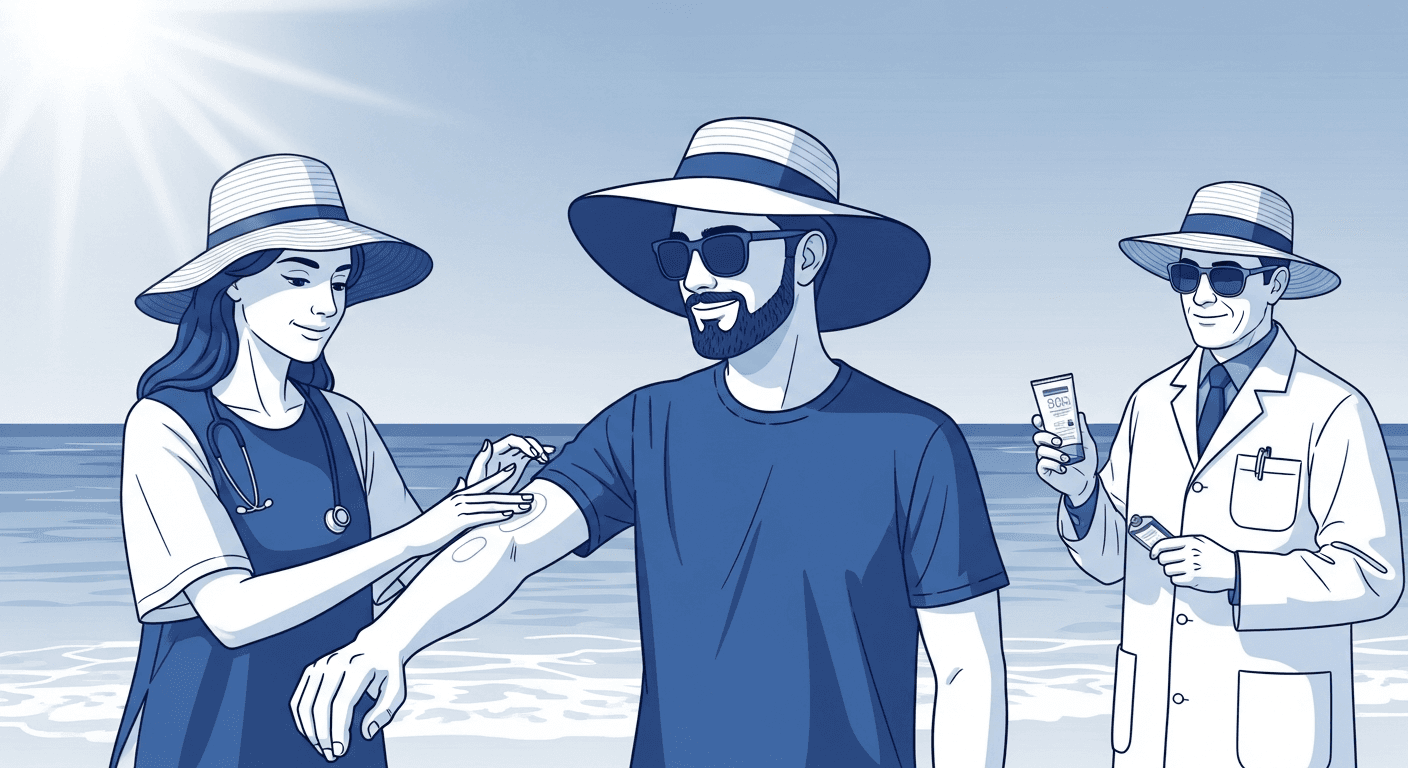
- Consistent Sun Protection: Avoiding midday sun (11 am - 3 pm), wearing protective clothing (long sleeves, wide-brimmed hats), generously applying broad-spectrum sunscreens (SPF 30/50+) to uncovered skin, and eye protection.
- Avoid Sunbeds: Sunbeds demonstrably increase the risk of skin cancer and should be avoided, as highlighted by EADV's fight against Sunbed-related Skin Cancer (YouTube).
- Regular Self-Skin Examination: Patients should check their skin monthly for changes or new lesions.
- Professional Skin Cancer Screening: In Germany, those with statutory health insurance are entitled to skin cancer screening every two years from the age of 35.
Remember: sunscreen is important, but not the only protection! Avoid midday sun, wear protective clothing and a hat. Also, protect your eyes with sunglasses.
The Power of Early Detection: Self-Examination and Professional Screening

Hautkrebs - früher erkennen, besser behandeln #gesundheitsforumffm
The early detection of skin cancer is the decisive factor for successful treatment and saving lives. When skin cancer, especially malignant melanoma, is detected early, the chances of cure are very high. Regular self-examination and taking advantage of professional screening offers are therefore essential.
Regular Self-Skin Examination:
Everyone should systematically examine their skin from head to toe once a month. Pay attention to new spots, changes in existing moles, or non-healing wounds. The "Skin self exam video for early detection of skin cancer" (CRUK funded) on YouTube clearly demonstrates how such an examination is performed. The ABCDE rule for moles is particularly helpful:
- Asymmetry: The mole is not evenly shaped.
- Border: Irregular, frayed, or blurred edges.
- Color: Uneven coloration, various shades (black, brown, red, gray, blue).
- Diameter: The mole is larger than 5 mm.
- Evolving/Elevation: The mole is raised or has changed in size, shape, color, or itches, bleeds, or hurts.
Professional Skin Cancer Screening:
In Germany, those with statutory health insurance are entitled to skin cancer screening every two years from the age of 35 at a dermatologist or a trained general practitioner. This screening includes a visual examination of the entire skin surface. The German Society of Dermatology (DDG) and the Dermatological Oncology Working Group (ADO) emphasize the importance of these preventive examinations. A patient information film from the German Cancer Aid on YouTube ("Skin cancer - early detection, better treatment") illustrates how crucial these appointments are for timely diagnosis.
When checking moles, look for Asymmetry, Border, Color, Diameter (>5mm), and Evolving (change). If anything is suspicious: See a doctor immediately!
Artificial Intelligence in Skin Cancer Diagnostics: The Role of DermCheck
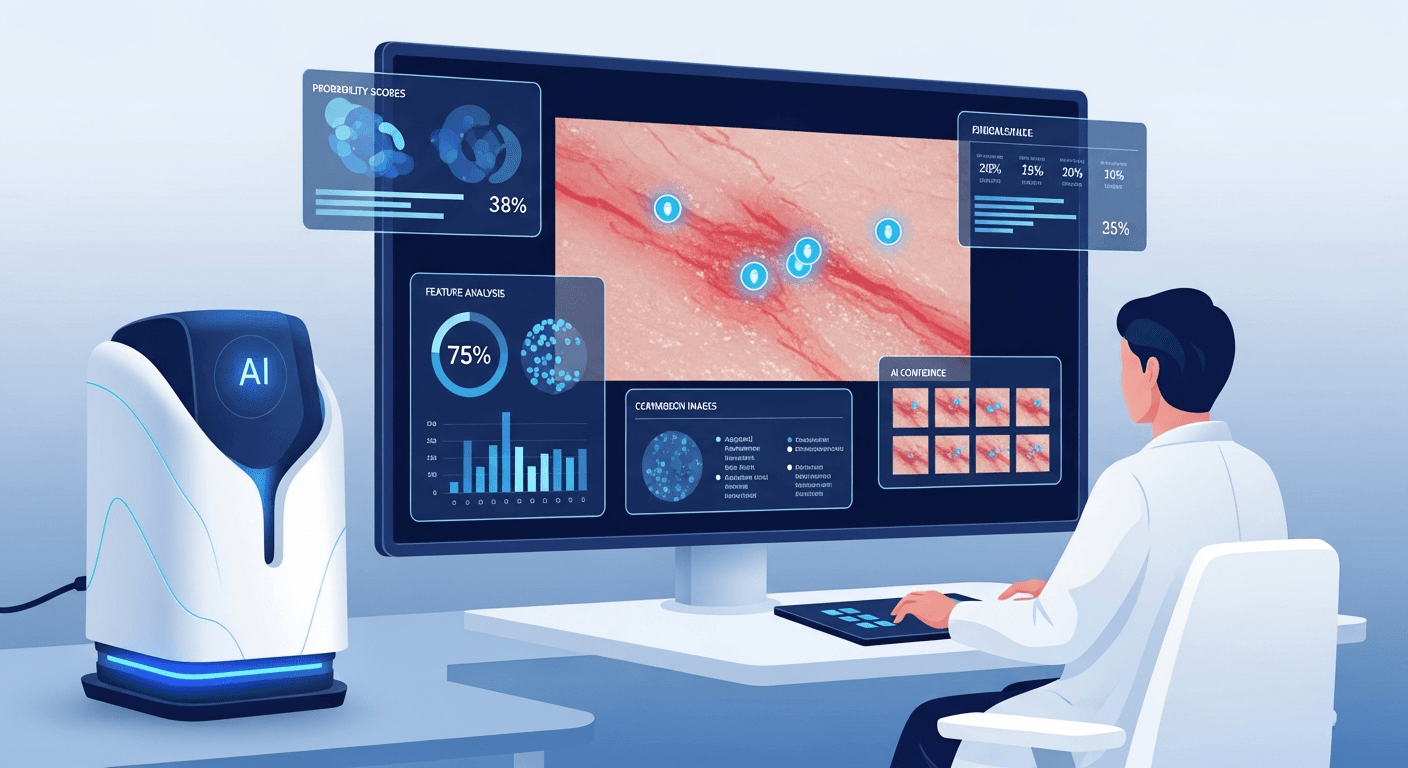
Digital transformation and Artificial Intelligence (AI) offer promising new possibilities in dermatological diagnostics and skin cancer screening. Platforms like DermCheck leverage these advances to revolutionize early detection.
- Image Analysis and Diagnostics: AI algorithms, particularly deep learning, show excellent results in analyzing dermoscopic images of skin lesions. They can detect melanomas and other skin cancers with an accuracy that approaches or even surpasses that of experienced dermatologists in some aspects.
- Advantages: Potential improvement in diagnostic accuracy, support in patient triage, reduction of unnecessary biopsies, and improved access to screening services, especially for people in rural areas or with limited access to specialists.
- Challenges: Large, high-quality datasets are required for training AI models. The so-called "black-box" problem (transparency of decision-making) and integration into clinical practice, as well as regulatory approval, remain important challenges.
Digital Diagnostics and DermCheck:
DermCheck embodies the future of teledermatology and digital diagnostics. By combining total body photography and AI-powered image analysis, changes on the skin surface can be tracked over time and potential risk lesions identified. Digital dermoscopes enable the storage and magnification of skin lesions, which improves follow-up and the detection of subtle structural features. DermCheck functions as an intelligent support tool that helps you identify suspicious skin changes early and directs you to a doctor's visit if necessary.
The integration of human expertise and AI support is considered the most effective model for the future of skin cancer diagnostics. AI is not intended to replace the doctor but to assist them and expand their capabilities to screen more people more efficiently and thus further improve survival rates.
Conclusion and Outlook: Your Role in the Fight Against Skin Cancer
The latest statistics for Germany and Europe in 2024-2026 demonstrate a persistently high incidence of skin cancer, especially non-melanoma skin cancer, while mortality rates for malignant melanoma are declining thanks to significant advances in therapy. Medical guidelines are continuously updated to integrate the latest findings and ensure optimal patient care. New treatment methods, particularly immune and targeted therapies, have dramatically improved the prognosis for advanced skin cancer cases.
However, prevention measures and early detection through regular self-examinations and professional screening remain the cornerstones in the fight against this common disease. Future developments, especially in Artificial Intelligence and digital diagnostics, such as those offered by DermCheck, promise further improvements in the precision and accessibility of skin cancer diagnostics. It is our shared responsibility – from medical professionals to every individual – to raise awareness of skin cancer and its prevention and to make the best possible use of medical advances.
Important Note: This blog article serves for general information purposes only and is by no means a substitute for professional medical advice, diagnosis, or treatment by a qualified physician. The information contained in this article is not intended to provide individual medical advice. For health complaints or questions, please always consult your doctor or another healthcare professional. DermCheck is a support tool and does not replace a medical examination.
This article is for informational purposes only and does not replace medical advice. For skin changes or questions, always contact a dermatologist. DermCheck is a helpful tool, not a substitute for professional diagnosis.