When to See a Dermatologist? Recognizing Skin Changes & Warning Signs
Early detection of skin cancer is crucial. Learn which warning signs on moles & skin changes require an immediate doctor's visit. Featuring latest stats & AI diagnostics.
Birt 2026-03-16 · DermCheck Editorial
Þessi grein var unnin með aðstoð gervigreindar.
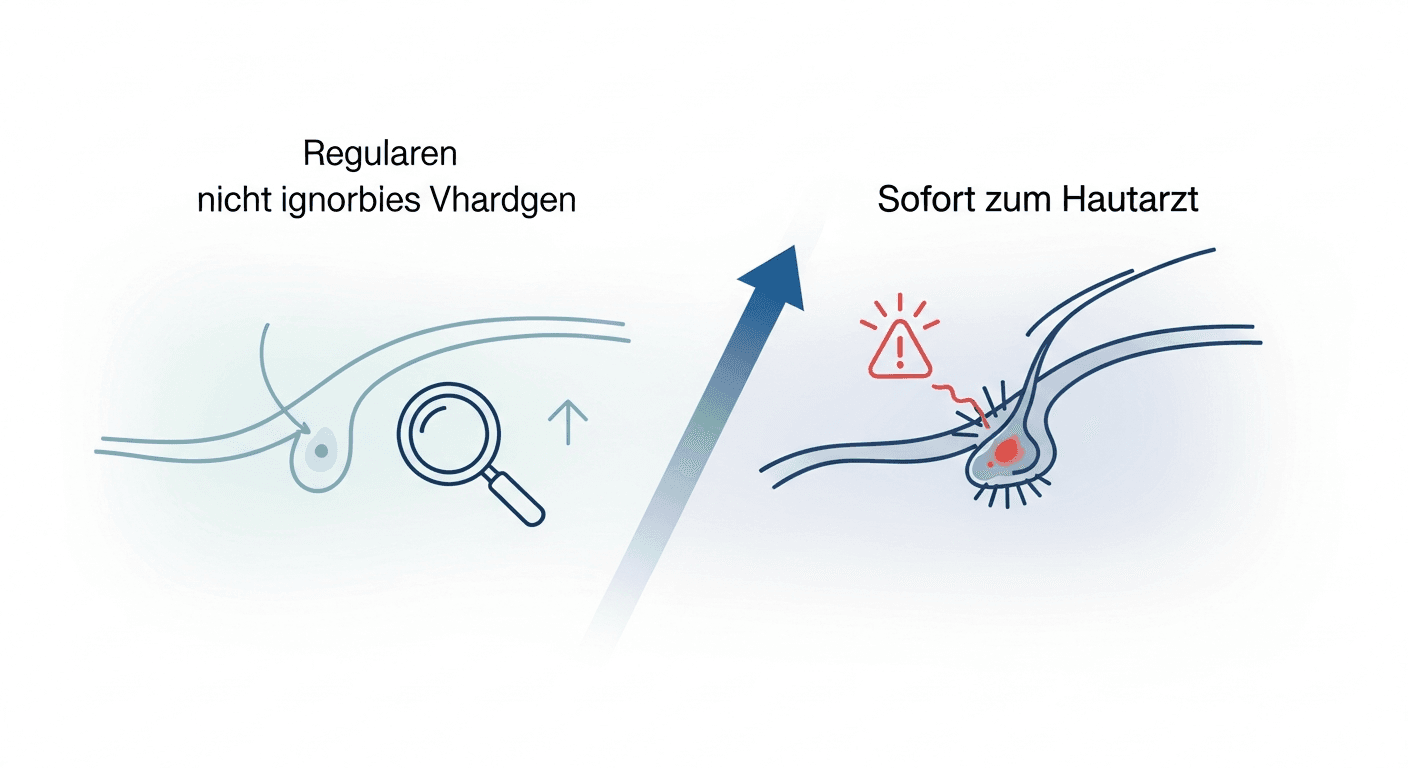
Taking Skin Changes Seriously: Why Early Detection Saves Lives
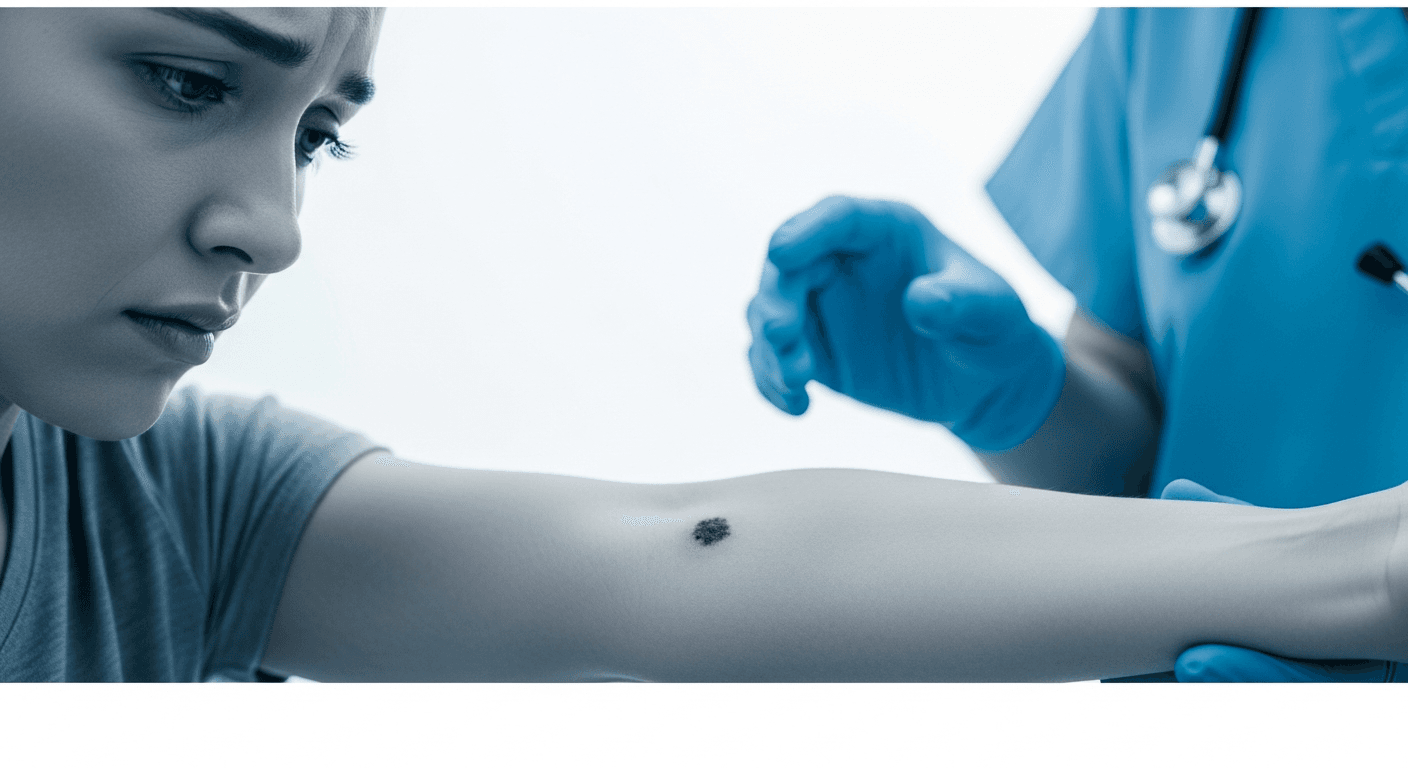
Skin changes are a common phenomenon, but sometimes they signal serious health risks that require immediate dermatological clarification. Early detection of malignant skin changes, especially skin cancer, is crucial for treatment success and can save lives. In this comprehensive article, we highlight which warning signs you should never ignore, supported by current studies, medical guidelines, and innovative diagnostics such as AI-powered systems. The goal is to provide you with the knowledge and tools to proactively protect your skin health and act quickly if necessary.
Skin cancer is the most common cancer in Germany and worldwide, with steadily increasing case numbers. The good news is that with early diagnosis, the chances of recovery are excellent. However, this requires vigilance and a willingness to immediately consult a dermatologist for any noticeable changes. We will explain how you can examine your skin yourself, what criteria apply to suspicious lesions, and when a visit to a specialist is unavoidable. We will also introduce you to modern digital diagnostic options that can elevate your skin cancer prevention to a new level.
Skin Cancer in Germany: Current Studies and Alarming Statistics
The numbers speak for themselves: skin cancer is one of the most common cancers in Germany, and its incidence is alarmingly increasing. Every year, around 373,850 people in Germany are diagnosed with skin cancer, making it the most common type of cancer in the country. A look at the past two decades shows a drastic 87.5% increase in hospital treatments for skin cancer from 2003 to 2023, with 116,900 inpatient treatments in 2023. While demographic changes, such as an aging population, play a role, skin cancer is increasingly affecting younger people, especially malignant melanoma.
The forecast for 2024 anticipates an estimated nearly 336,000 new initial skin cancer cases in Germany. This development underlines the urgency of preventive measures and effective early detection. Particularly worrying is the increase among young adults, which can be attributed to altered sun exposure and leisure habits. It is essential to be aware of these numbers and to draw conclusions for personal health prevention.
Malignant Melanoma (Black Skin Cancer): When Moles Become Dangerous
Malignant melanoma, also known as black skin cancer, is rarer than white skin cancer but significantly more aggressive and prone to metastasis. Its incidence has also risen sharply in recent years. In 2020, it was the fourth most common cancer in women with 11,320 new cases and the fifth most common in men with 12,240 cases. The total number of people diagnosed with malignant melanoma in Germany increased from 188,603 in 2005 to 417,400 in 2023, an increase of 121%.
Alarmingly, malignant melanoma is now the most common cancer among women aged 20 to 29 and the third most common among men in this age group. Already, half of all patients are younger than 64 years at the time of diagnosis. KKH, a German health insurance company, recorded a 28% increase in insured persons receiving medical treatment for 'black skin cancer' in 2023 compared to 2013. Despite this unsettling trend, there is good news: with early detection, the 5-year survival rate for melanomas is an impressive 99%. For women, it is 96%, and for men, 94%. This underscores the critical importance of early detection and regular skin cancer screenings.
White Skin Cancer: Basal Cell Carcinoma and Squamous Cell Carcinoma
Light or white skin cancer, which includes basal cell carcinoma and squamous cell carcinoma, accounts for the majority of skin cancer cases. It is generally less aggressive than malignant melanoma and rarely forms metastases, but should still be treated early. According to BARMER data, the number of people with non-melanoma skin cancer (C44) increased from 638,485 in 2005 to 1,825,578 in 2023, an increase of 186%. For 2023, an estimated nearly 243,000 new cases were registered in Germany.
Almost three-quarters of these forms are basal cell carcinomas, which only in exceptional cases metastasize and rarely have a life-threatening course. The incidence of basal cell carcinoma in Germany is currently estimated at about 200 new cases per 100,000 inhabitants per year and continues to rise. Inpatient treatments due to light skin cancer have more than doubled within 20 years: from 41,900 cases in 2003 to 91,000 in 2023 (plus 117%). KKH data shows that the number of affected individuals with 'white skin cancer' increased by 50% from 2013 to 2023, with women seeing a 60% increase compared to men (39%). Although the mortality rate for white skin cancer is lower, early detection and treatment are crucial here too to avoid major surgical procedures and preserve quality of life.
Medical Guidelines: Roadmaps for Diagnosis and Therapy
Medical guidelines are essential evidence-based decision-making aids for doctors and form the basis for high-quality care for skin cancer patients. In Germany, the S3 guidelines of the German Cancer Guidelines Program, which have the highest level of evidence, are of particular importance. They consolidate current knowledge and best practices for diagnosis, therapy, and aftercare.
The S3 guideline for the diagnosis, therapy, and aftercare of melanoma, last updated in January 2019, is currently undergoing an urgent revision, with completion planned for the end of 2026. This is essential due to rapid advances in adjuvant and systemic therapy, to provide oncologists with the latest recommendations. For white skin cancer, there is the S2k guideline on basal cell carcinoma of the skin, updated in 2023, which emphasizes surgical removal as the therapy of first choice, as well as the S3 guideline on actinic keratoses and squamous cell carcinoma of the skin. All these guidelines emphasize the central role of dermoscopy in differential diagnosis, especially in distinguishing from melanoma.
Skin Cancer Screening in Germany: An Opportunity Many Don't Use
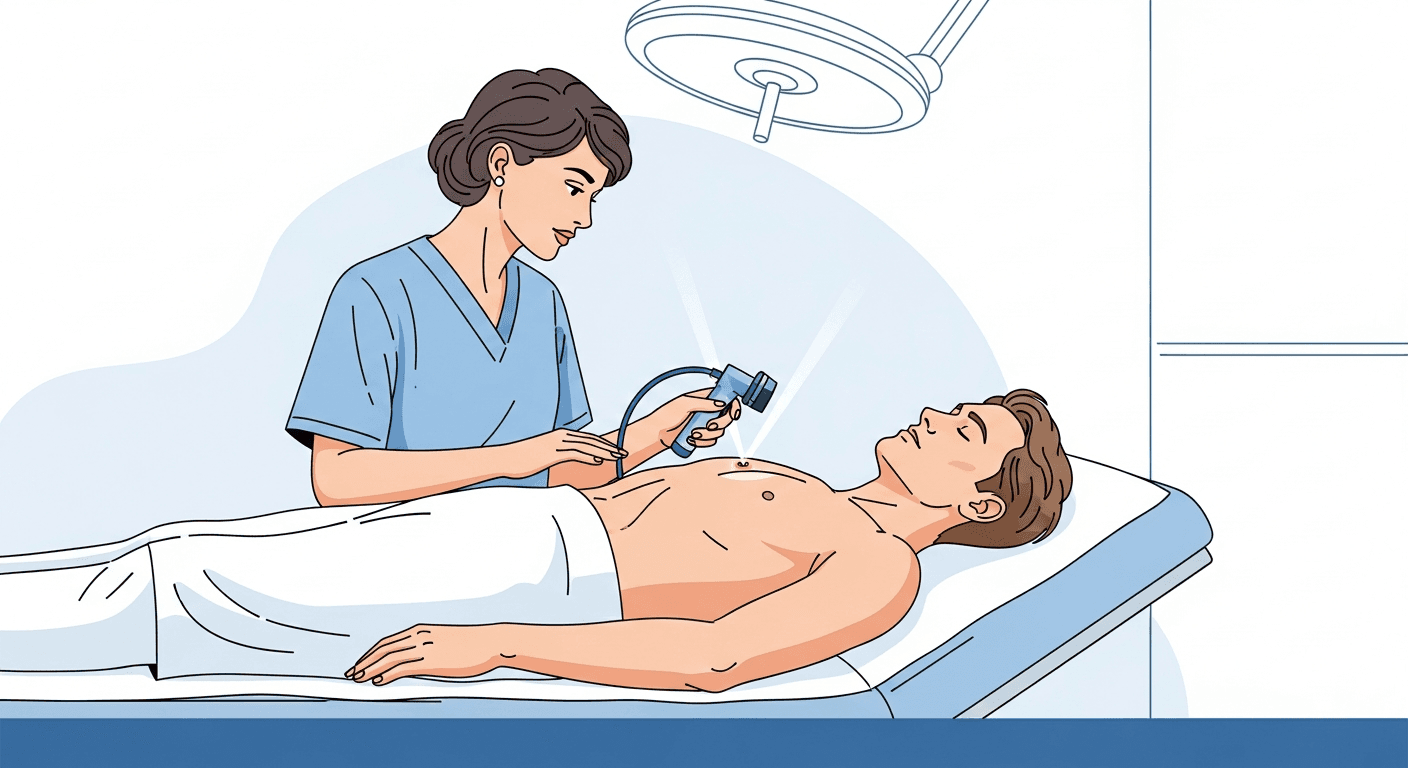
Since 2008, all legally insured individuals in Germany aged 35 and over are entitled to a skin cancer screening every two years. This important examination can be performed by a family doctor or a dermatologist with the appropriate license. The goal is to detect skin cancer in its early stages to improve healing chances. Some health insurance companies even go further and cover the costs for skin cancer screening for younger insured individuals; for example, KKH now reimburses 50 euros for a skin cancer screening every two years for those aged 18 to 34, beyond the statutory service.
Despite this valuable offer, the majority of people in Germany do not attend skin cancer screenings. Figures from the Barmer physician report show that about 70% of legally insured individuals aged 35 and over, who are entitled to the biennial early detection examination, do not use it. This corresponds to approximately 34 million of the 47 million eligible individuals in 2022 and 2023. Only about 28%, or roughly 13 million insured individuals, utilize skin cancer screening. If an unusual finding is made during a general practitioner's examination, a referral to a dermatologist is mandatory for further clarification. It is an appeal to everyone to take advantage of this offer for their own health.
Statutory skin cancer screening is available to insured individuals aged 35 and over every two years free of charge. Some health insurance companies also cover the costs earlier.
Risk Factors in Detail: The Sun as a Double-Edged Sword
What Everyone Should Know About Skin Cancer: Risks, Myths, Prevention
The most significant risk factor for almost all types of skin cancer is ultraviolet (UV) radiation. Both intense sunburns, especially in childhood, and chronic UV exposure over years cause lasting damage to the skin. The skin damage that manifests as skin cancer today is often linked to excessive sun exposure in the 1970s and 80s, when awareness of sun protection and the quality of sunscreen filters were lower. Anyone who suffered severe sunburns multiple times as a child or adolescent (before the age of 15) has a particularly high risk of developing black skin cancer (melanoma) later in life.
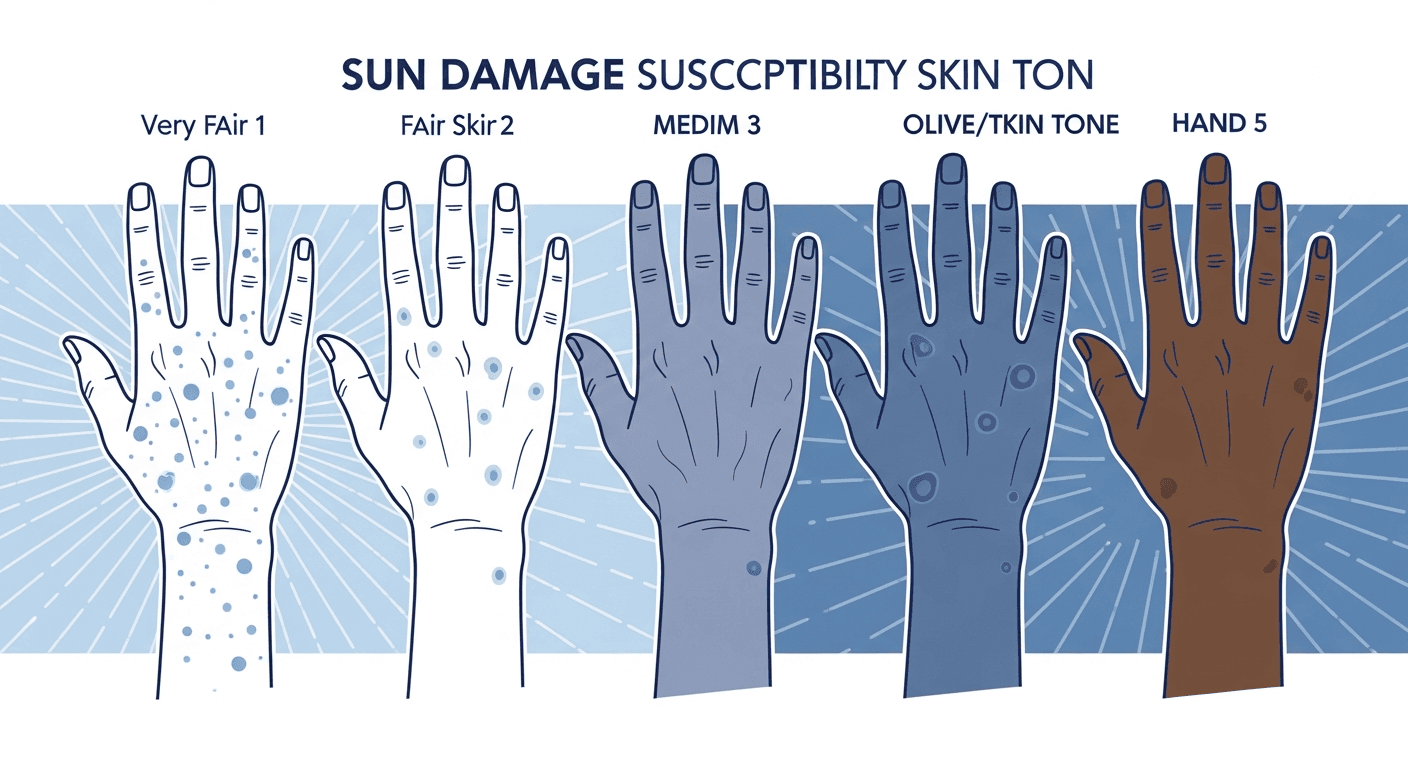
In addition to UV radiation, genetic factors and individual skin type also play a crucial role. People with light to very light skin (Fitzpatrick skin types I and II) are more susceptible to skin cancer because their skin produces less melanin, which serves as a natural shield against UV radiation. The number and type of pigmented lesions (moles) are also important risk factors. A high number of moles, especially atypical moles, significantly increases the risk of malignant melanoma. People with more than 40 pigmented lesions or more than 100 pigmented lesions have an increased risk of developing black skin cancer. This highlights the need for regular self-examination and professional skin cancer prevention.
Further Risk Factors and How to Protect Yourself
In addition to UV radiation and skin type, other factors can influence the risk of skin cancer. A weakened immune system, for example due to medication after an organ transplant or an HIV infection, increases the risk of developing white skin cancer. For these patient groups, particularly close dermatological monitoring is advisable.
Certain occupational exposures also pose an increased risk. People who work outdoors a lot, such as construction workers, farmers and foresters, or roofers, are exposed to a high cumulative UV load. Squamous cell carcinoma and its precursors (actinic keratosis, Bowen's disease) can be recognized as an occupational disease under certain conditions. For these occupational groups, special protective measures and regular preventive examinations are of great importance. Another relevant risk factor is solarium use. Studies show that sunbed visits before the age of 30 are particularly strongly associated with a later development of black skin cancer. Dermatologists therefore strongly advise against using sunbeds to avoid unnecessarily increasing the risk of skin cancer. Raising awareness of these risk factors is an important step in preventing skin cancer.
Primary Prevention: Comprehensive Sun Protection as a Philosophy of Life
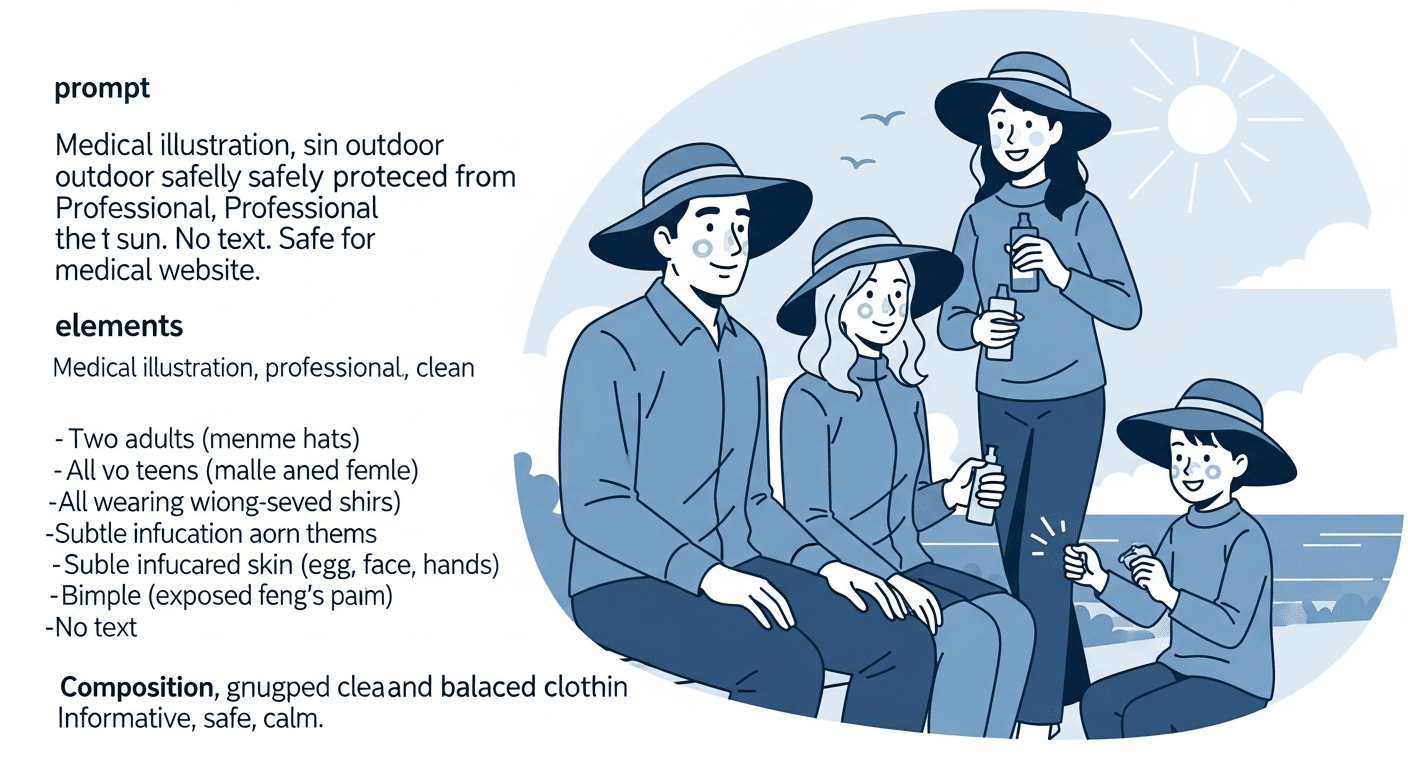
Primary prevention aims to prevent the development of skin cancer from the outset. The most important component here is comprehensive sun protection and conscious handling of UV radiation. The S3 guideline for skin cancer prevention emphasizes that intensive UV exposure and especially sunburns should be avoided at all costs. This applies not only to beach holidays but to every outdoor activity.
Recommendations for effective sun protection include:
- Avoiding midday sun: UV intensity is highest between 11 a.m. and 3 p.m.
- Protective clothing: Long-sleeved clothing, long pants, and a wide-brimmed hat effectively protect the skin.
- Sunscreen: Generous application of sunscreens with a high sun protection factor (at least SPF 30) to all exposed skin areas, and regular reapplication, especially after swimming or sweating. One study showed that regular daily use of a sunscreen with SPF 15 or higher reduces the risk of developing squamous cell carcinomas by about 40% when used as directed.
- Babies and toddlers: Their skin is particularly sensitive and should never be exposed to direct sun. Shade, UV-protective clothing, and special sunscreens are mandatory here. Projects like "Clever in Sonne und Schatten" (Smart in Sun and Shade) convey important knowledge for sun protection in all age groups.
Secondary Prevention: The Importance of Self-Examination and the ABCDE Rule
Skin self exam video for early detection of skin cancer - General Adult Population (CRUK funded)
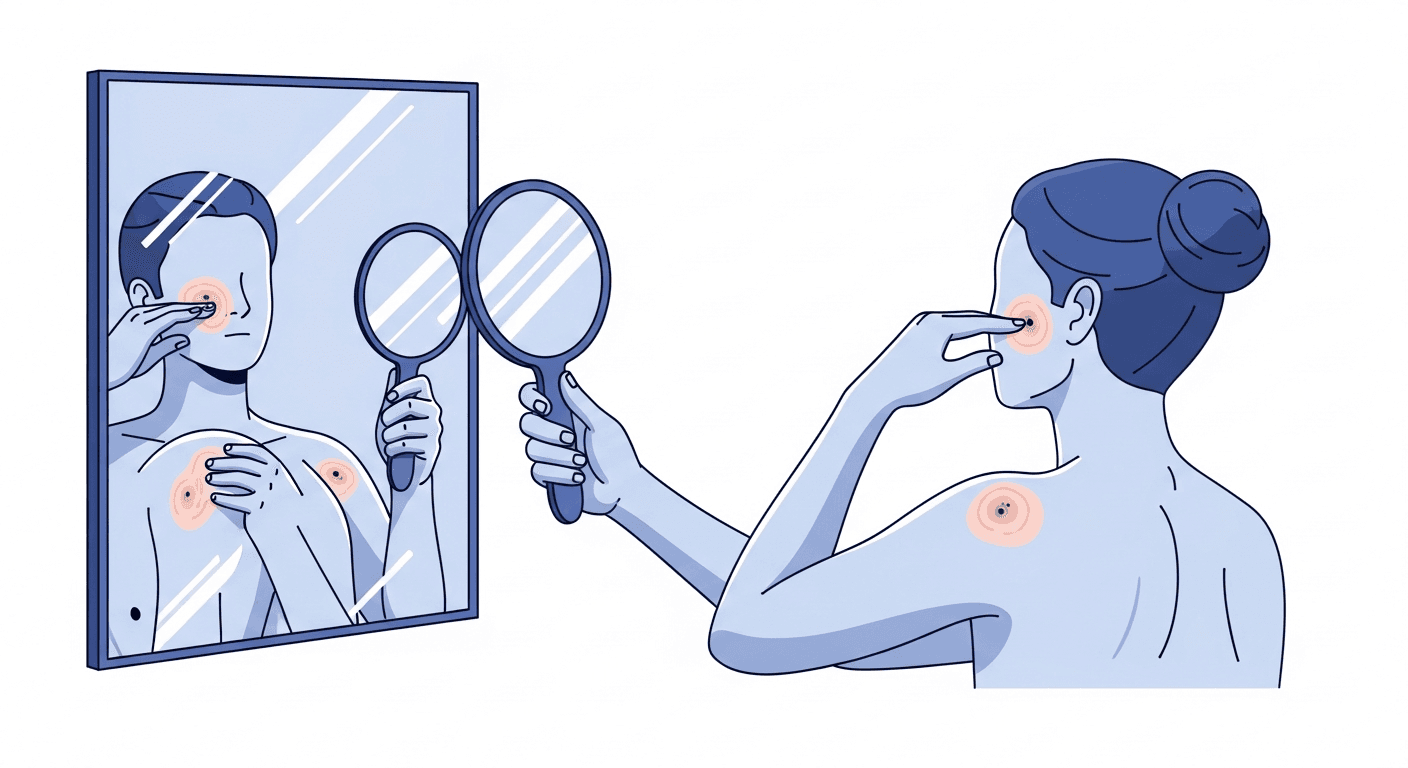
Secondary prevention focuses on the early detection of skin cancer to discover noticeable skin changes before they pose a serious threat. Regular skin self-examination plays a central role here. Skin cancer precursors and skin cancer can often be seen and felt without technical aids. It is important to regularly examine your own skin – especially areas exposed to light – at least once a month for noticeable changes. This should also include hidden skin areas such as between the toes, palms of the hands, soles of the feet, under the nails, eye and mouth areas, and genitals.
A valuable tool for self-monitoring pigmented lesions is the ABCDE rule, which was specifically developed for malignant melanoma. This rule helps you identify suspicious moles and assess whether a doctor's visit is necessary. We will explain this rule in detail in the next section. Remember: Self-examination is an important supplement, but it does not replace a professional examination by a dermatologist as part of skin cancer screening. The earlier a malignant skin change is detected, the better the chances of recovery and survival usually are.
Use a full-length mirror and a hand mirror to check hard-to-reach areas like your back or the back of your legs. If necessary, ask a trusted person for help.
The ABCDE Rule: Warning Signs for Melanoma (Black Skin Cancer)
The ABCDE rule is the most important tool for self-examination and early warning for pigmented lesions that could indicate malignant melanoma. Pay attention to the following criteria for your moles:
- A – Asymmetry: The mole does not have a uniform, round, or oval shape. If you draw a line through the middle, both halves look different. Often it is also thicker in one or more places than in others.
- B – Border: The edge of the mole is irregularly delimited, frayed, blurry, or jagged. A sharp and regular border is normal.
- C – Color: The coloring of the mole has changed or is uneven. It can have different shades of brown, black, red, gray, or even blue. A very dark or unusual color is also a warning sign.
- D – Diameter: The diameter of the mole is larger than 5 millimeters. While 6 mm was often cited previously, 5 mm is now considered a criterion. Any rapidly growing lesion, regardless of size, should be checked.
- E – Evolving/Elevation: The mole changes in size, shape, or color in a short time (weeks or months). It can also be raised or show a noticeable change in its surface. Itching, bleeding, crusting, or the development of inflammation are absolute alarm signs that require immediate medical attention.
Any mole that meets one or more of these criteria should be examined by a dermatologist immediately.
Warning Signs for White Skin Cancer: Recognizing Basal Cell and Squamous Cell Carcinoma
White skin cancer, which includes basal cell carcinoma and squamous cell carcinoma, often manifests differently from malignant melanoma. Since these forms are less prone to metastasis, their warning signs are more subtle but no less important. Early detection is crucial here too to avoid cosmetically unfavorable or larger surgical procedures.
Look out for the following changes, especially on sun-exposed areas such as the face (nose, forehead, cheeks), ears, lips, neck, bald scalp, hands, and forearms:
- Non-healing sores: A skin area that does not heal over weeks or months, bleeds, oozes, or crusts, is a clear warning sign. This is often mistakenly dismissed as a minor injury.
- Pearlescent nodule (basal cell carcinoma): A small, often shiny, skin-colored to reddish nodule with a pearlescent surface that grows slowly. Sometimes fine, dilated blood vessels (telangiectasias) appear on it. It can also have a central indentation or a raised, rolled border.
- Red, scaly patches (squamous cell carcinoma or actinic keratosis): Reddish, rough, scaly, or crusty patches that may itch or burn and do not resolve or respond to normal skin care products. Actinic keratoses are considered precursors to squamous cell carcinoma and should also be treated, as the S3 Guideline "Actinic Keratosis and Squamous Cell Carcinoma of the Skin" emphasizes.
- Hardening or ulcers: A firm, often skin-colored elevation or an open ulcer that slowly grows larger and may have a rolled border. These can be painful or bleed spontaneously.
These changes require prompt clarification by a dermatologist.
For non-melanoma skin cancer, pay special attention to non-healing sores and pearlescent nodules. These are often the first signs.
When to See a Dermatologist Immediately: Specific Indications
Hautkrebs - früher erkennen, besser behandeln #gesundheitsforumffm
There are certain situations in which an immediate visit to the dermatologist should not be postponed. Do not hesitate to make an appointment if you notice any of the following changes:
- Sudden change in an existing mole: If a mole grows rapidly, changes its color or shape, starts to itch, bleeds, oozes, or becomes inflamed, this is an absolute alarm sign.
- New, noticeable pigmented lesion: Any newly formed pigmented lesion that meets the criteria of the ABCDE rule should be examined immediately. The appearance of a new, atypical mole in adulthood is particularly suspicious.
- Non-healing sore: A skin change that feels like a small wound but does not heal over several weeks or months indicates white skin cancer.
- Unexplained swelling or nodules: Especially in the lymph nodes near suspicious skin changes, these can be signs of metastasis and require immediate clarification.
- Pain or tenderness: If a skin change becomes painful or sensitive to touch, this is also a reason for a prompt doctor's visit.
- Unclear skin manifestations and general concern: In general: If something on your skin seems strange to you or you are worried, do not hesitate to have it medically clarified. Your gut feeling is an important indicator.
A quick reaction can make all the difference. It is better to make one appointment too many than one too few. Modern dermatology offers excellent opportunities for diagnosis and therapy, especially when skin cancer is detected early.
Never ignore sudden changes in moles or non-healing sores. A quick response can significantly improve your chances of recovery.
The Role of AI & Digital Diagnostics in Dermatology
Artificial intelligence (AI) and digital technologies are revolutionizing dermatological diagnostics and offering new, promising possibilities for the early detection and monitoring of skin changes. They can significantly increase the efficiency and accuracy of diagnostics and provide valuable support to both patients and doctors.
AI algorithms, especially those based on deep learning, show promising results in the analysis of dermatological images for the detection of skin cancer. They can help doctors identify suspicious lesions and improve diagnostic accuracy. The development of AI-powered systems for the automated analysis of dermoscopy images is rapidly progressing. These systems can provide a second opinion and help optimize the detection of melanomas and other skin cancers at an early stage. Although there are no comprehensive, generally recognized S3 guidelines specifically for the use of AI in diagnostics, the research landscape is very active, and the integration of these technologies into clinical practice is advancing. Research results demonstrate the enormous potential, for example, in the development of 3D models for pathology.
Digital Videodermoscopy and Teledermatology: Modern Tools for Your Skin Health
Modern imaging techniques such as digital videodermoscopy and whole-body mapping with systems like FotoFinder are indispensable tools in dermatological practice. They significantly aid in the early detection of skin cancer by enabling detailed recording and documentation of moles and skin changes over time. These technologies greatly facilitate the identification of new or changing lesions by providing precise comparison images.
Another important trend is teledermatology, which involves dermatological treatment using image-text procedures via apps or web apps. It has gained considerable popularity in recent years. An S2k guideline from the AWMF on teledermatological procedures was already published at the end of 2020. Many studies have shown that telemedicine applications can replace initial diagnoses in many cases or at least provide an initial assessment, forming a strong scientific basis for the implementation of modern procedures. Teledermatology improves access to dermatological expertise, reduces waiting times, and enables rapid assessment of skin changes, especially in rural areas. Platforms like DermCheck use these advanced technologies to provide you with a quick and accurate initial assessment and to guide you to a specialist if necessary.
New Treatment Methods and Surgical Advances in the Fight Against Skin Cancer
Dermatology benefits from continuous progress in research and development of new therapies, especially for advanced skin cancer types. These innovations significantly improve cure rates and the quality of life for patients.
A promising advancement in skin cancer treatment is personalized medicine and targeted therapies, which have achieved decisive success particularly in advanced metastatic melanoma. Through intensive research, significant progress has been made in recent years regarding the treatment of metastatic melanoma. The approval of anti-PD1 inhibitors for locally advanced and metastatic basal cell carcinomas offers a new option in second-line therapy after hedgehog inhibitors. These immuno-oncological therapies utilize the body's own immune system to fight cancer cells and have dramatically improved the prognosis for patients with advanced melanoma. Current research also addresses the prediction of side effects from these therapies.
There are also continuous developments in surgery. Microscopically controlled surgery is mentioned as an important topic in the guidelines for basal cell carcinomas. In R1 and R2 situations (microscopically or macroscopically detected residual tumor) of the primary tumor region, re-excision should always be performed if an R0 situation (complete tumor removal) can be achieved. If this is not surgically possible, other therapeutic modalities such as hyperthermic extremity perfusion, radiation therapy, or cryosurgery should be used. These combined approaches enable tailored treatment for each patient.
Seizing Opportunities: Epidemiology, Survival Rates, and the Potential of Early Detection
Epidemiological data illustrates the burden that skin cancer places on the healthcare system and the population, but also the enormous opportunities created by early detection. In 2023, the diagnosis of black skin cancer was documented in more than twice as many people in Germany as in 2005, and the diagnosis of white skin cancer in almost three times as many as in 2005. The incidence of basal cell carcinoma in Germany is estimated at at least 200 new cases per 100,000 inhabitants per year, with a continuing upward trend for the coming decades.
Despite the high incidence, skin cancer is responsible for only about 1% of all cancer deaths. In 2024, the estimated nearly 243,000 initial cases of non-melanoma skin cancer were contrasted with 1,432 deaths. Mortality rates for non-melanoma skin cancer have risen slightly over the past two decades but are significantly lower than those for malignant melanoma, which kills about 2,700 people in Germany annually. Survival rates are excellent with early detection: for women with malignant melanoma of the skin in Germany, the relative 5-year survival rates are currently 96% and for men 94%. Five years after diagnosis, 99% of patients with stage IA melanoma are still alive. In Germany, about two-thirds of melanomas are diagnosed with a tumor invasion depth of less than 1 mm, where the ten-year survival rate is 96%. These impressive figures should be an incentive to take early detection seriously.
Melanoma Survival Rates (5-year relative, approx. 2023)
| Gender | Survival Rate (%) |
|---|---|
| Women | 96 |
| Men | 94 |
Quelle: ZfKD im RKI
The Importance of Skin Type and Special Risk Groups
Individual skin type is a primary factor that significantly influences skin cancer risk. People with light skin types (Fitzpatrick skin types I and II), who are prone to sunburn, rarely tan, and often have light eyes and hair, are particularly susceptible to all forms of skin cancer. This is due to the smaller amount of melanin, which serves as a natural UV protection. Accordingly, these individuals must take special care with sun protection and undergo regular skin checks.
Furthermore, there are specific risk groups that have an increased risk:
- Individuals with many moles: Those who have more than 40, or even over 100 pigmented lesions, have a statistically higher risk of developing malignant melanoma. The presence of atypical moles (dysplastic nevi) is also an important indicator.
- Family history: If close relatives have already had skin cancer, the personal risk increases. Genetic predisposition plays a role here.
- Individuals with a weakened immune system: Transplant patients or people with certain immune diseases who take immunosuppressive drugs have a significantly increased risk of squamous cell and basal cell carcinomas. For them, close dermatological monitoring is essential.
- Age: Although skin cancer can also affect young people, the risk increases with age. The cumulative UV exposure over decades takes its toll. Relatively speaking, the risk of dying from skin cancer is highest in the 30- to 34-year age group.
AI in Dermatology: Future of Skin Cancer Diagnostics
The integration of Artificial Intelligence into dermatology marks a paradigm shift in skin cancer diagnostics. AI systems are capable of analyzing large quantities of dermatological images with high speed and precision. Deep learning algorithms, in particular, can recognize subtle patterns and features in skin lesions that are difficult for the human eye to identify.
Research shows that AI systems can achieve similarly high or even superior accuracy in detecting melanomas compared to experienced dermatologists, especially in distinguishing between benign and malignant moles. Such AI-powered tools like DermCheck serve as valuable support for doctors by providing a 'second opinion,' accelerating the detection of suspicious lesions, and increasing the efficiency of screening. This is particularly advantageous for identifying potential skin cancer cases at an early stage, when the chances of recovery are best.
The benefits extend beyond pure diagnostics: AI can also help in patient risk stratification, more accurately assess the need for a biopsy, and optimize the monitoring of moles over time. While humans make the final diagnostic decision and determine therapeutic steps, AI significantly expands the spectrum of possibilities, making skin cancer early detection more accessible and effective. However, it is important to emphasize that these technologies serve as a complement to human expertise and do not replace professional medical examination.
Conclusion: Your Skin Deserves Attention and Protection
The steadily rising skin cancer figures in Germany underscore the necessity of comprehensive prevention measures and consistent early detection. Knowledge of warning signs, regular self-examinations, and utilizing skin cancer screening are essential to protect your skin health and, in serious cases, save lives. Modern diagnostic procedures, including AI-powered systems like DermCheck, and new therapeutic approaches also offer improved chances of recovery when skin cancer is detected early.
Do not hesitate to consult a dermatologist immediately if you notice any suspicious skin changes. Your skin is your largest organ and deserves attention and protection. Use all available resources, from self-monitoring to statutory screening and digital support tools, to proactively care for your skin health. The best treatment always begins with the earliest possible detection.
Important Medical Disclaimer
Please note: The information provided here is for general educational purposes only and is not a substitute for professional medical advice, diagnosis, or treatment by a qualified physician. In particular, AI-powered skin analysis or an online tool like DermCheck can never replace the personal examination and assessment by an experienced dermatologist. If you have any health concerns or suspect skin cancer, you should always consult a doctor. Personal responsibility and regular recourse to medical expertise are crucial for your health.
Quellen & Studien (33)
- krebshilfe.de
- destatis.de
- pharmazeutische-zeitung.de
- nvkh.de
- bifg.de
- kkh.de
- krebsdaten.de
- awmf.org
- nih.gov
- skincancer.org
- krebsdaten.de
- onko-portal.de
- krebsgesellschaft.de
- awmf.org
- vivascope.com
- awmf.org
- awmf.org
- onko-portal.de
- g-ba.de
- aerzteblatt.de
- tk.de
- rki.de
- leitlinienprogramm-onkologie.de
- assmann-stiftung.de
- krebsinformationsdienst.de
- gelbe-liste.de
- krebshilfe.de
- krebsinformationsdienst.de
- hautkrebs-netzwerk.de
- aok.de
- gesundheitsinformation.de
- dermatologie-in-stuttgart.de
- dermanostic.com