Skin Cancer Risk Groups: Protection & AI Screening with DermCheck
Learn about skin cancer risk factors: Fitzpatrick skin types, genetics, immunosuppression & UV radiation. Use DermCheck's AI screening!
Publié le 2026-03-16 · DermCheck Editorial
Cet article a été rédigé avec l'aide d'une intelligence artificielle.
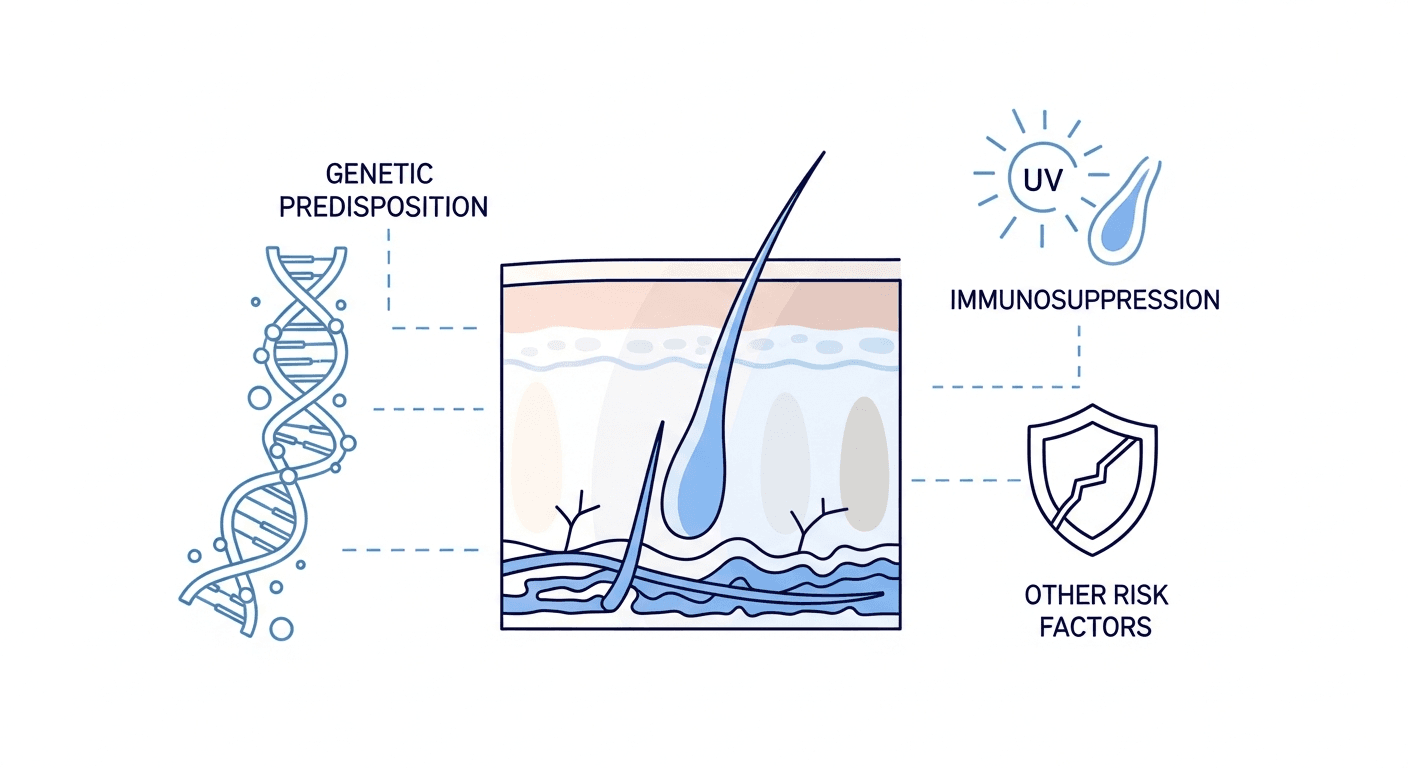
Understanding Skin Cancer: Why Your Individual Risk Matters – And How AI Helps

Skin Cancer: Incidence, Risk Factors, Prevention, and the Latest on Skin Care
Skin cancer is one of the most common cancers worldwide, but the good news is that when detected early, it is often curable. At DermCheck, it is our heartfelt mission to provide you with comprehensive information on risk factors and to show you innovative ways for early detection. This article details various risk groups, from genetic predispositions and skin types to lifestyle factors, and highlights how state-of-the-art technologies like Artificial Intelligence (AI) are revolutionizing dermatological diagnostics.
Knowing your personal risk profile is the first step towards effective skin protection. With our AI-powered skin cancer screening, we aim to offer you an additional, precise, and convenient way to regularly check your skin for abnormalities and thus optimize early detection in collaboration with your dermatologist. Remember: no technology can replace a doctor's visit. Our AI is a supportive tool that helps you proactively manage your skin health. Your doctor remains your most important partner in skin cancer prevention.
Epidemiology of Skin Cancer: Current Figures and Trends in Germany
The incidence of skin cancer, both malignant melanoma and non-melanoma skin cancer, has been steadily increasing for decades. A comprehensive understanding of current figures is crucial to emphasize the importance of prevention and early detection. We primarily distinguish between **malignant melanoma** (black skin cancer) and **non-melanoma skin cancer** (white skin cancer), which includes basal cell carcinoma and squamous cell carcinoma.
Malignant melanoma is the most dangerous form, accounting for approximately 90% of skin cancer-related deaths. In 2020, 12,240 men and 11,323 women in Germany were newly diagnosed with malignant melanoma. The age-standardized incidence rate in Bavaria in 2021 was 20.9 cases per 100,000 inhabitants for men and 17.7 cases per 100,000 inhabitants for women, highlighting the significant increase in melanoma rates over the last 10 years. More detailed statistics can be found at the German Cancer Research Center's Cancer Information Service (DKFZ).
Non-melanoma skin cancer, including basal cell carcinoma and squamous cell carcinoma, is much more common. Each year, over 200,000 people in Germany are newly diagnosed with skin cancer, with the majority of these being non-melanoma forms. They predominantly occur on sun-exposed areas and metastasize less frequently than melanoma. Nevertheless, early diagnosis is crucial here as well, as squamous cell carcinoma can have a poor prognosis in advanced stages. Overall, survival rates for melanoma have significantly improved thanks to new therapies: while less than five percent of patients with inoperable, metastatic skin cancer survived longer than five years a decade ago, today it's around 50 percent. Further information on incidence and causes can be found on the Skin Cancer Information Portal.
Your Skin Type Matters: The Fitzpatrick Classification as a Risk Factor
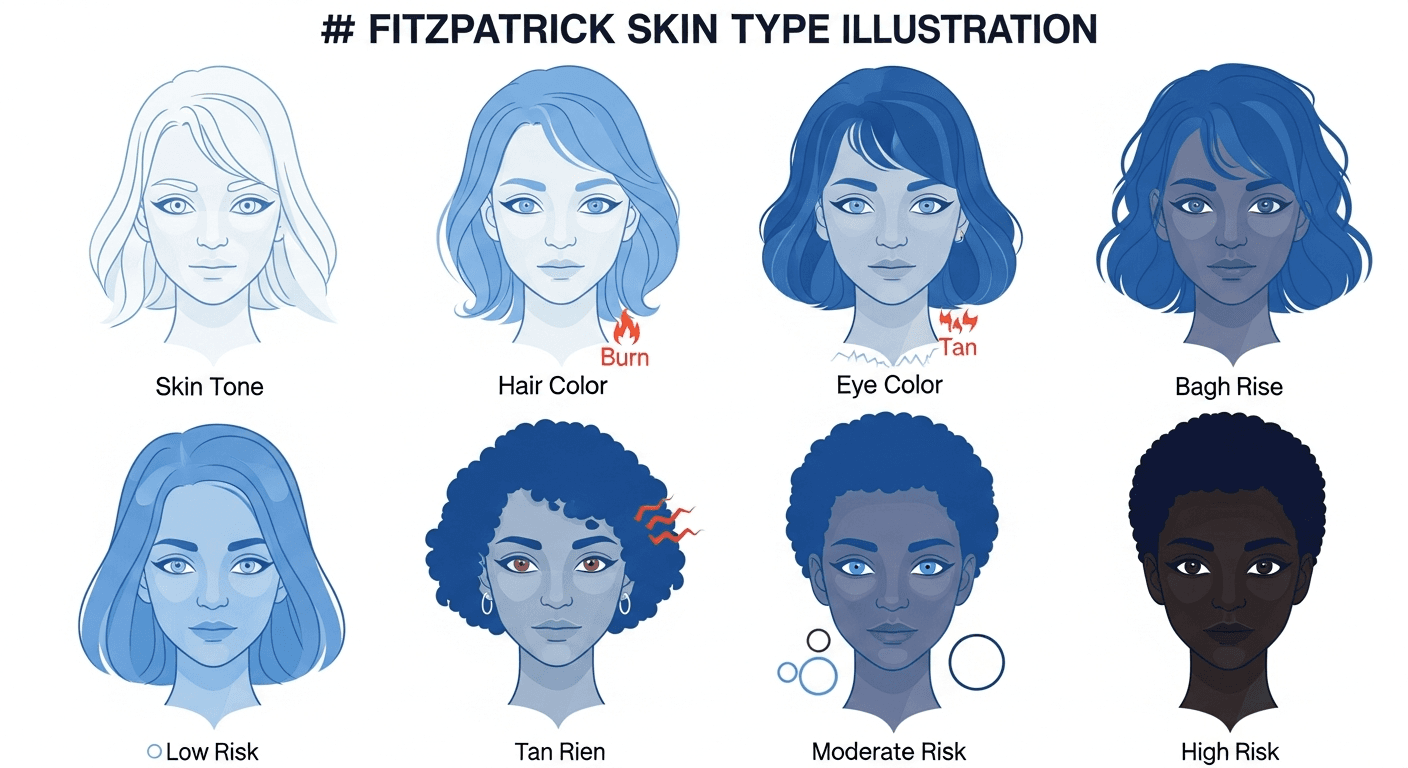
The Fitzpatrick skin type is a fundamental endogenous risk factor for the development of skin cancer. It classifies the individual sensitivity of the skin to sunlight and its ability to produce pigment. Understanding your own skin type is crucial for an adapted UV protection strategy. People with fair skin (Types I and II) have a significantly higher risk of developing skin cancer because their skin produces less melanin, which acts as a natural shield against UV radiation. Studies have confirmed the close relationship between Fitzpatrick skin phototype and melanoma risk (PubMed Study).
The classification includes six skin types:
- Skin Type I: Very fair skin, blonde or red hair, blue or green eyes, freckles. Never tans, always burns. Extremely high risk of skin cancer.
- Skin Type II: Fair skin, blonde or light brown hair, blue, green, or grey eyes. Tans minimally, burns easily. Very high risk of skin cancer.
- Skin Type III: Normal skin, dark blonde or brown hair, any eye color. Tans slowly, sometimes burns. Increased risk of skin cancer.
- Skin Type IV: Lightly tanned skin, dark brown hair, dark eyes. Tans well, rarely burns. Lower, but present risk.
- Skin Type V: Dark skin, dark hair and eyes. Tans very well, very rarely burns. Low risk.
- Skin Type VI: Very dark skin, black hair and eyes. Tans intensely, never burns. Very low, but not excluded risk (UV radiation can also cause damage to Skin Type VI).
If you belong to skin types I or II, particularly consistent UV protection is essential. Even if tanning is often considered a beauty ideal, it carries a significant health risk for fair skin types. There is no such thing as a "healthy tan."
Knowing your individual Fitzpatrick skin type is the first step towards effective UV protection and reducing your skin cancer risk. Talk to your dermatologist if you are unsure.
The Role of Genes: When Skin Cancer Runs in the Family
Genetic predisposition plays a significant role in the development of skin cancer, especially malignant melanoma. Approximately ten percent of melanomas are hereditary. A family history of melanoma, meaning a first-degree relative (parents, siblings, children) is affected, significantly increases your personal risk. A recent 2024 study even suggests that family history may be a greater risk factor for melanoma than sun exposure, with up to 15 percent of melanoma patients carrying mutations in relevant genes.
Specific gene mutations in pigment genes such as TYR (tyrosinase) and MC1R (melanocortin-1 receptor) are associated with increased susceptibility to melanoma and heightened UV sensitivity. The cell cycle-regulating gene CDKN2A is also frequently mutated in melanomas. A particularly high risk exists with FAMMM syndrome (Familial Atypical Multiple Mole Melanoma Syndrome). Individuals with this syndrome have at least five atypical moles and a family history of malignant melanoma, which can increase the risk by up to 120-fold.
A rare but extremely high-risk hereditary disease is Xeroderma Pigmentosum (XP). In this condition, there is a defect in the DNA repair system, causing UV light to constantly lead to DNA damage that cannot be repaired. XP patients have more than a 10,000-fold increased risk for non-melanoma skin cancer and a 2,000-fold increased risk for melanomas occurring before the age of 20. For more details on genetic susceptibility, consult the German Cancer Information Service.
Weakened Immune System: An Increased Risk for Skin Cancer
A weakened or suppressed immune system can significantly increase the risk of developing skin cancer. This particularly affects non-melanoma skin cancer (basal cell carcinoma and squamous cell carcinoma), but also malignant melanoma.
Organ Transplantation: Patients who must take immunosuppressants for life after an organ transplantation (e.g., kidney, liver, heart, lung) have an extremely high risk of skin cancer. The incidence of skin cancer in these patients is almost five times higher than the incidence of all cancers in the general population. These are mostly squamous cell carcinomas, which can have a more aggressive course. Long-term immunosuppression also negatively affects the prognosis and course of melanoma. Adjusting immunosuppression and more frequent, intensive screenings are strongly recommended for these high-risk patients.
Certain Diseases: Chronic diseases that weaken the immune system, such as HIV/AIDS, can also increase the risk of non-melanoma skin cancer. In this context, the immune system's reduced ability to recognize and eliminate altered cells is the main reason for increased susceptibility. It is important for individuals with a weakened immune system to be particularly vigilant for skin changes and to undergo regular dermatological check-ups. Information on general risk factors can also be found at krebshilfe.de.
Skin's Biggest Foe: UV Radiation and Its Consequences
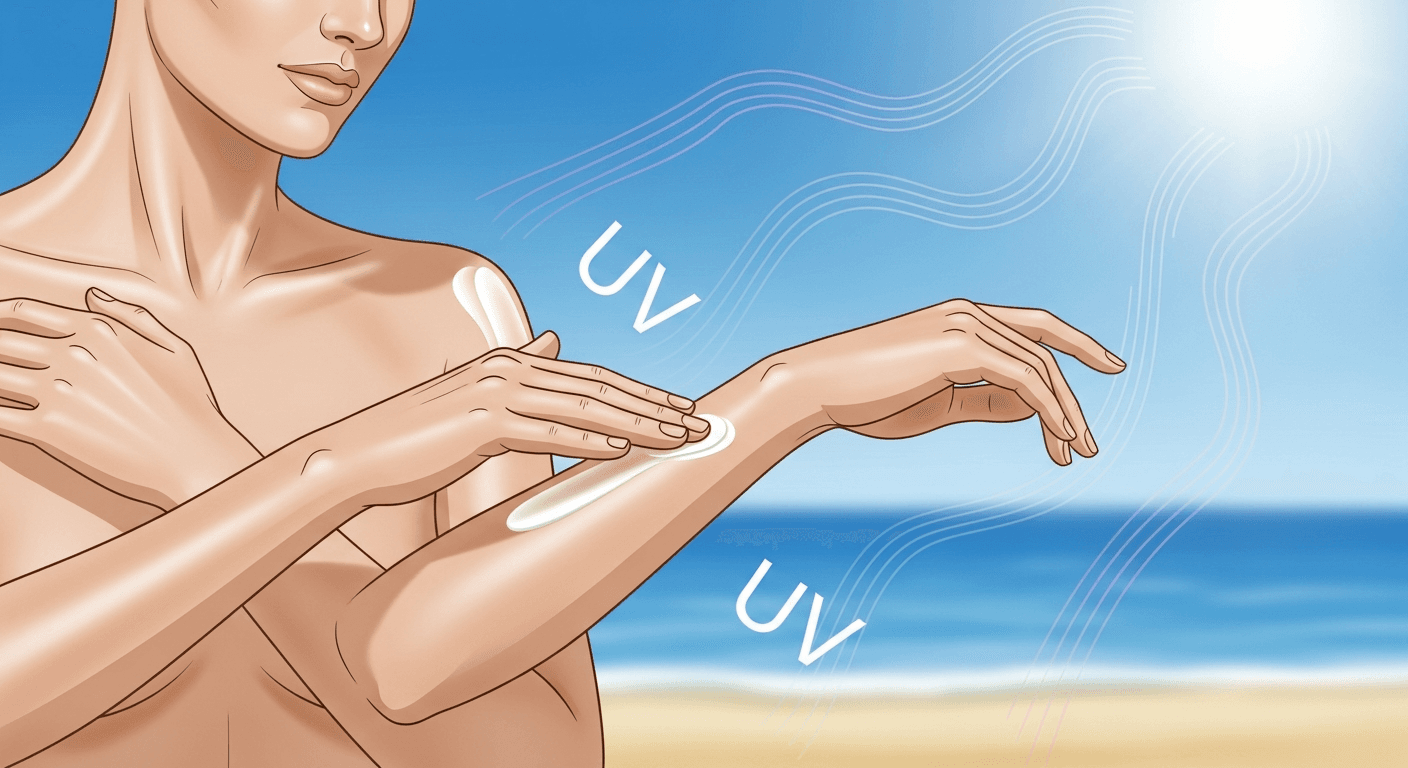
By far the most significant and modifiable risk factor for almost all types of skin cancer is ultraviolet (UV) radiation. This applies to both natural sunlight and artificial UV sources such as tanning beds. The cumulative dose, i.e., the total UV exposure over a lifetime, plays a role, but intense, short-term exposures resulting in sunburn are also critical.
Sunburn: Every sunburn, especially in childhood and adolescence (before the age of 15), significantly increases the risk of melanoma. UV rays damage the DNA in skin cells, and repeated damage can lead to uncontrolled cell growth. Even weak UV rays that do not immediately cause sunburn damage the skin in the long term and contribute to skin aging and the development of non-melanoma skin cancer. The Bavarian State Office for Health and Food Safety offers further information on this topic.
Tanning Beds: The artificial UV radiation from tanning beds is particularly dangerous. The International Agency for Research on Cancer (IARC) of the WHO has classified tanning beds in the highest cancer risk category (Category 1), comparable to tobacco and asbestos. Regular use of tanning beds before the age of 35 increases the risk of melanoma by 60% to 87%. The first visit before the age of 25 increases the risk of squamous cell carcinoma by 102% and basal cell carcinoma by 40%. Approximately 5% of melanoma cases in Europe are caused by tanning bed use. In Germany, minors have been prohibited from using tanning beds for cosmetic purposes since 2009. The German Cancer Aid explicitly warns against tanning beds. There is no such thing as a "healthy tan" from a tanning bed; the myth of vitamin D production in tanning beds is also largely false, as they primarily emit UVA radiation, while UVB radiation is necessary for vitamin D synthesis.
Avoid tanning beds completely. Artificial UV radiation significantly increases your skin cancer risk and offers no proven health benefits that would outweigh the risks.
Further Risk Factors in Focus: From Moles to Chemicals
In addition to skin type, genetics, and UV radiation, other factors can influence the risk of skin cancer. These include both endogenous (internal) and exogenous (external) influences that should be considered in risk assessment.
- High Number of Moles: A large number of moles or nevi (more than 100 "normal" nevi) is a significant endogenous risk factor for malignant melanoma. Atypical or dysplastic nevi, which are irregularly shaped and colored, further increase the risk. Regular self-checks and dermatological examinations are particularly important here.
- Chronic Wounds and Inflammations: Long-standing scars, chronic wounds, or non-healing inflammations can promote the development of skin cancer in the affected areas. Especially with treatment-resistant chronic wounds, a biopsy should be performed to rule out malignant degeneration, as a squamous cell carcinoma or, more rarely, a melanoma can be hidden behind them.
- Chemical Carcinogens: Long-term occupational exposure to certain harmful substances such as arsenic, tar, or tar-like substances increases the risk of non-melanoma skin cancer. Individuals in relevant professions should ensure adequate protective measures.
- Radiation Damage to the Skin: High-energy radiation, for example, during radiation therapy for other cancers or through occupational exposure to ionizing radiation, can damage the skin and promote the development of non-melanoma skin cancer.
- Vitamin D Deficiency: Some studies suggest that vitamin D deficiency could be a risk factor for melanoma development, as vitamin D has an anti-tumor effect. However, this is a complex field of research, and a general recommendation for tanning beds for vitamin D production is, as mentioned, to be rejected due to the high skin cancer risks. Vitamin D synthesis primarily occurs through UVB radiation, which is often present only to a small extent in tanning beds.
For a comprehensive overview of all risk factors, please consult the resources of the German Cancer Aid and the DKFZ.
Prevention is the Best Protection: Concrete Measures for Your Skin Health
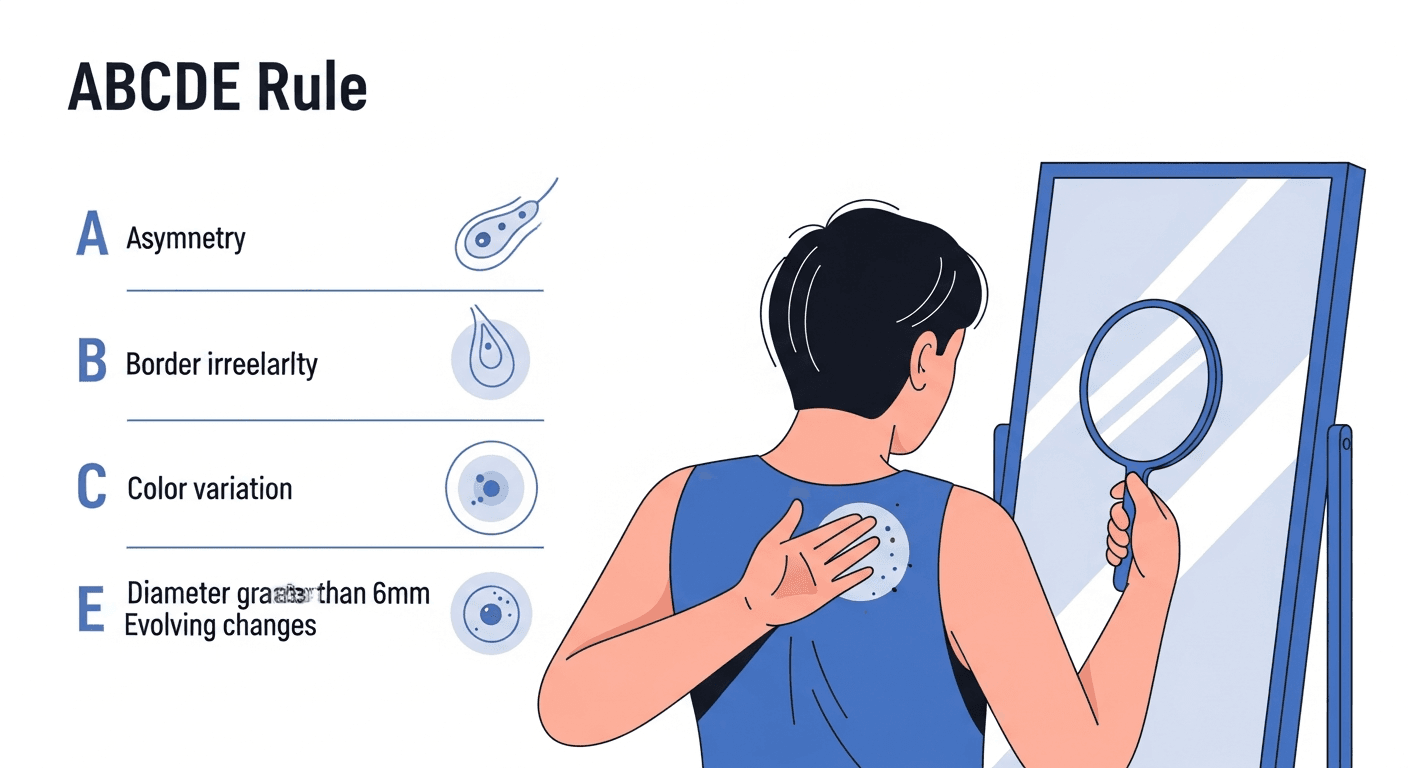
Your Guide to Your Skin Self Exam
Most skin cancer cases are preventable through consistent prevention. The key lies in protecting against UV radiation and regularly checking your skin. There are no compromises when it comes to skin cancer prevention.
- Comprehensive UV Protection:
- Sunscreen: Always apply sunscreen with a sufficiently high sun protection factor (SPF), ideally SPF 30 or 50+, everywhere (even in the shade and on cloudy days). Reapply regularly, especially after swimming or sweating.
- Protective Clothing: Long-sleeved shirts, long pants, and a wide-brimmed hat offer effective protection. Sunglasses with UV protection protect the eyes and the delicate skin around them.
- Avoid Midday Sun: UV radiation is most intense between 11 a.m. and 3 p.m. Plan outdoor activities so that you stay in the shade or indoors during these hours.
- Avoid Tanning Beds: As mentioned, tanning beds should be completely avoided as they significantly increase the risk of skin cancer.
- Regular Skin Cancer Screening: Especially for individuals with increased risk (fair skin type, many moles, family history, frequent sun exposure), an annual dermatological skin examination is essential for early detection. In Germany, insured individuals aged 35 and older are entitled to a skin cancer screening every two years.
- Self-Examination of the Skin: Perform a thorough self-examination of your skin monthly. Pay attention to the "ABCDE rule" for moles (Asymmetry, Border, Color, Diameter, Evolution) and to new, itchy, bleeding, or non-healing skin lesions. If you notice any abnormalities, consult a dermatologist immediately.
- Avoid Chemical Carcinogens: If you are occupationally exposed to tar, arsenic, or similar substances, ensure appropriate protective measures at the workplace.
The S3 guideline for skin cancer prevention and the health guideline of the German Cancer Aid offer detailed recommendations.
Medical Guidelines: Roadmaps for Diagnosis and Therapy
Medical guidelines are essential tools for doctors, as they provide evidence-based recommendations for the diagnosis, therapy, and prevention of diseases. In Germany, the AWMF (Association of the Scientific Medical Societies) S3 guidelines are authoritative and are regularly updated to reflect the latest scientific findings.
- S3 Guideline for Diagnosis, Therapy, and Aftercare of Melanoma: This guideline is the central document for the treatment of black skin cancer and offers comprehensive recommendations. It includes, for example, detailed instructions on immunotherapy and targeted therapy for advanced melanoma. Adjuvant immunotherapy with anti-PD1 has been established as a therapeutic standard in stage IIb/IIc and stage III malignant melanoma. For patients with BRAF-mutated melanoma in stage III, the combination of dabrafenib and trametinib offers an effective alternative. The current version can be found on the Oncology Guidelines Program.
- S3 Guideline for Actinic Keratosis and Cutaneous Squamous Cell Carcinoma: This guideline focuses on the precursors and treatment of squamous cell carcinoma, a form of non-melanoma skin cancer. An updated version was published in 2023 (Krebsinformationsdienst).
- S3 Guideline for the Prevention of Skin Cancer: This guideline, also available as a Health Guideline for the Prevention of Skin Cancer, focuses on measures to minimize risk, particularly through consistent UV protection.
The Dermatological Oncology Working Group (ADO) of the German Cancer Society (DKG) and the German Dermatological Society (DDG) plays a crucial role in developing these guidelines and promoting research and education in the field of dermato-oncology.
Revolution in Therapy: New Horizons in the Fight Against Skin Cancer
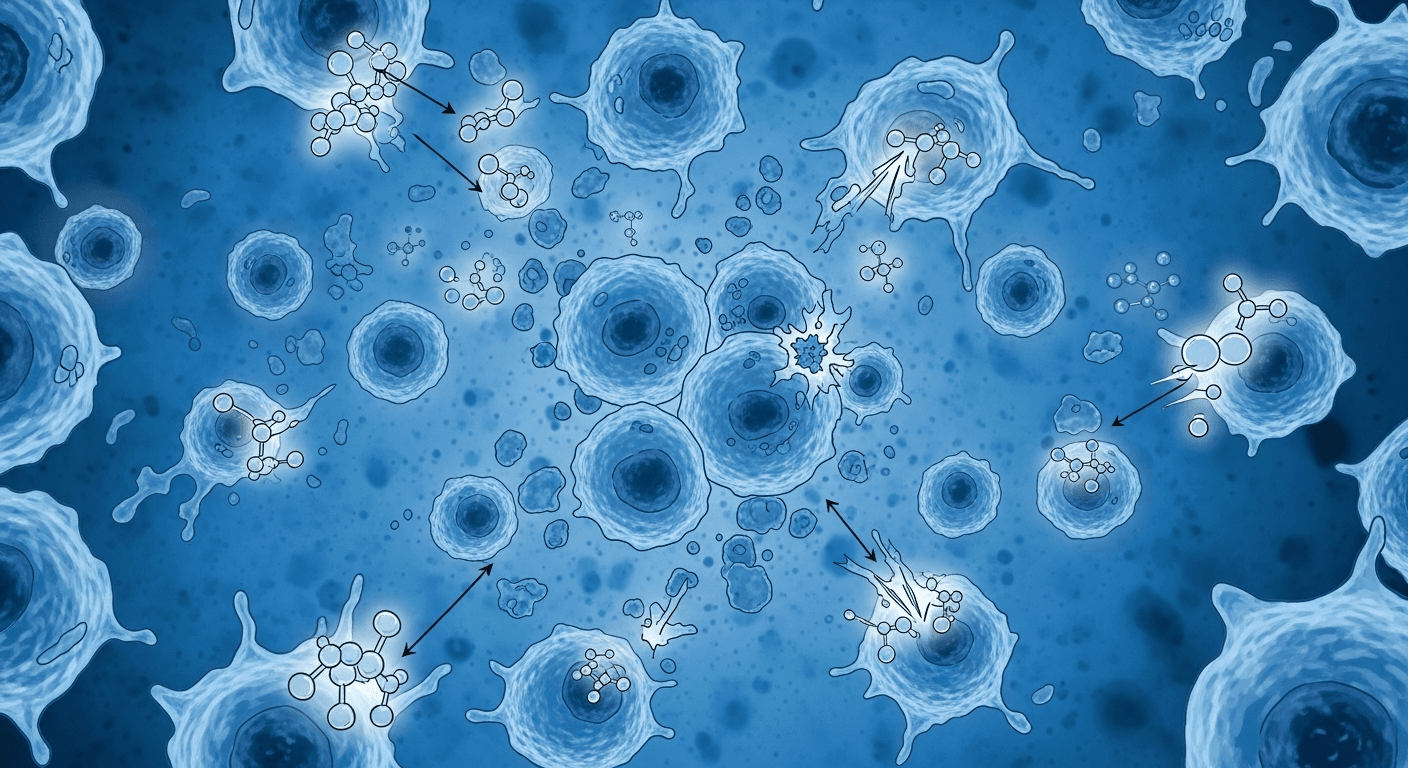
The therapy for skin cancer, especially malignant melanoma, has made groundbreaking progress in recent years. Modern treatment approaches offer patients with advanced diseases significantly improved survival and cure rates.
- Immunotherapies: Immune checkpoint inhibition has revolutionized the treatment of inoperable, metastatic skin cancer. By blocking regulatory immune receptors such as PD-1, PD-L1, and CTLA-4, the body's immune system is reactivated to fight tumor cells more effectively. Despite impressive long-term remissions, some patients develop primary or secondary resistance. Therefore, intensive research is being conducted on combinatorial approaches with targeted substances, next-generation checkpoint inhibitors, and cellular therapies (e.g., transfer of tumor-infiltrating lymphocytes, TIL). A recent study by the University Hospital Freiburg (December 2024) identified the IL-21 signaling pathway as crucial for activating immune cells, explaining the effectiveness of a combination therapy against black skin cancer.
- Targeted Therapies: These therapies directly interfere with essential signaling pathways of cancer cells to inhibit their uncontrolled growth. Approximately half of melanomas show a specific mutation of the BRAF gene. In these cases, BRAF and MEK inhibitors (e.g., dabrafenib + trametinib, vemurafenib + cobimetinib, encorafenib + binimetinib) can be used to interrupt the signaling pathway and lead to the death of tumor cells. These drugs have shown a significant improvement in survival compared to chemotherapy.
- Adjuvant and Neoadjuvant Therapy: There are new developments in adjuvant (after surgery) and neoadjuvant (before surgery) therapy for skin cancer. Adjuvant immunotherapy with anti-PD1 is an established therapeutic standard for malignant melanoma in stage IIb/IIc and III. For BRAF-mutated melanomas in stage III, combinations such as dabrafenib and trametinib show convincing long-term survival data. Adjuvant therapy with an RNA vaccine is also a promising new option.
- Treatment of Advanced Cutaneous Squamous Cell Carcinoma: Progress has also been made for non-melanoma skin cancer. PD1 inhibitors such as cemiplimab and pembrolizumab show high response rates and disease control rates of over 50%.
These advances underscore the need to stay up-to-date with medical research and to utilize innovative approaches for patient care.
DermCheck and AI: The Future of Skin Cancer Early Detection in Your Hands
Artificial intelligence (AI) and digital diagnostics are revolutionizing skin cancer early detection and diagnosis. At DermCheck, we rely on these technologies to enable more precise and accessible screening. Our goal is to close the gap between regular doctor's visits and empower you to proactively monitor your skin health.
- AI-Powered Dermoscopy and Full-Body Scanners: AI-based systems analyze dermoscopic images with remarkable accuracy, recognizing even the smallest patterns that could indicate skin cancer. 3D full-body scanners capture the entire body surface and flag abnormalities that can then be specifically assessed by a doctor. These systems not only allow for faster diagnostics but also enable an objective long-term comparison of skin changes. The EU project iToBoS, for example, is developing such an AI-powered full-body scanner that aims to analyze the entire body within 6 minutes and provide a precise risk assessment for every skin lesion. This enables effective early detection.
- Explainable AI (XAI): A major advance is the development of "explainable AI" (XAI). Researchers at the German Cancer Research Center (DKFZ) have developed an XAI system that transparently explains its decisions by using established diagnostic features related to specific areas of suspicious lesions. This transparency increases medical professionals' trust in AI decisions and also in their own diagnoses. Especially for melanoma, which is difficult to distinguish from other skin tumors in its early stages, XAI can improve diagnostic accuracy.
- Non-invasive Biopsy: Advances such as Line-field Confocal Optical Coherence Tomography (LC-OCT), supported by AI, enable non-invasive, high-resolution, and deep imaging of skin cells beneath the surface. This could allow for tissue sampling without incisions or scars in the future and shorten the waiting time for a diagnosis.
- Teledermatology: Digital dermatology and teledermatology, often with AI support, improve access to specialized diagnostics, especially in rural areas or for patients with limited mobility.
With DermCheck, you can leverage these benefits to analyze your skin changes comfortably and precisely, and consult a specialist early if needed.
The Human Factor Remains Crucial: The Synergy of AI and Dermatologists
Although AI systems are capable of classifying clinical or dermoscopic images with remarkable accuracy, it is important to emphasize that AI is not a substitute for an experienced dermatologist. Rather, the combination of medical expertise and AI support is the most promising way to ensure the highest level of diagnostic certainty in skin cancer early detection.
Challenges: A central issue is dermatologists' trust in the algorithms' decisions, which are not always easily comprehensible to them. The "black box" nature of many AI models can make acceptance difficult. This is where "Explainable AI" (XAI) comes in, creating transparency by making decision-making processes understandable. The need for high-quality and extensive datasets for training AI models also poses a challenge.
Advantages of Synergy: Studies show that dermatologists improve their hit rate and diagnostic certainty when they receive AI-supported analyses and clinical information in addition to their own assessment. AI can serve as a "second opinion" that reduces human error, increases efficiency, and enables the detection of rare or subtle patterns that a human eye might miss. This also relieves doctors of routine tasks, allowing them to dedicate themselves to more complex cases. The German Dermatological Society (DDG) emphasizes the importance of early detection and the combination of methods (DDG Prevention).
In the context of DermCheck, this means: Our AI aims to sharpen your attention and point out potential abnormalities. The final diagnosis and the determination of further steps always remain with your dermatologist. This creates a powerful partnership between you, technology, and your doctor that optimally protects your skin health.
DermCheck is a valuable tool for early detection but cannot replace a professional diagnosis or treatment by a qualified dermatologist. If you suspect skin cancer, please always consult a doctor.
Your Personal Action Plan: What Patients Need to Know
What everyone should know about skin cancer: Recognition and Treatment. Dr. Kasten in Mainz ...
As a patient, you are the most important actor in your skin cancer prevention. Actively addressing your personal risk and consistently implementing prevention and early detection measures are crucial. Here are the most important points you should consider for your skin health:
- Know Your Skin Cancer Risk: Be aware of your Fitzpatrick skin type. Do you have a family history of skin cancer, especially melanoma? Do you have many moles or atypical nevi? The more risk factors apply to you, the more important close monitoring becomes.
- Consistent UV Protection: This is the most important preventive measure. Avoid intense midday sun, wear protective clothing and a hat, use sunscreen with a high SPF, and completely avoid tanning beds. There is no such thing as a "healthy tan," only a safer one.
- Regular Skin Cancer Screening: Take advantage of skin cancer screenings with your dermatologist, at least every two years from age 35, and more frequently if you have an increased risk. The Dermatological Oncology Working Group (ADO) offers further patient information.
- Self-Examination of the Skin: Perform a thorough monthly self-examination. Familiarize yourself with the "ABCDE rule" for moles and seek immediate medical advice for any changes in moles or new, suspicious skin lesions. A video on this can be found in the prevention section.
- Pay Attention to Chronic Wounds: Persistent, non-healing wounds or skin changes that itch, bleed, or grow should always be checked by a doctor.
- Utilize Modern Tools like DermCheck: Our AI-powered analysis can be a valuable support for your self-observation and help you identify potential problems early, before consulting your doctor. However, this never replaces a personal doctor's visit for diagnosis and treatment.
- Stay Informed: Keep up to date. Use trustworthy sources such as the DKFZ Cancer Information Service or the German Cancer Aid to deepen your knowledge of skin cancer and learn about the latest developments.
Through this proactive approach, you can significantly contribute to your skin health and minimize the risk of a late skin cancer diagnosis.
Conclusion: Together for Healthy Skin – With Knowledge, Prevention, and Innovation
Skin cancer is a serious disease, but comprehensive knowledge of risk factors, consistent preventive measures, and the use of advanced diagnostic methods significantly improve cure rates. Your personal risk profile, shaped by your Fitzpatrick skin type, your genetic predisposition, your immune status, and your UV exposure, is the starting point for targeted prevention. Dermatology is at a turning point where innovative technologies like AI-powered diagnostics are playing an increasingly important role in optimizing early detection and enabling personalized treatment strategies.
At DermCheck, we want to support you in actively managing your skin health. Our AI is an intelligent companion that helps you detect suspicious skin changes early, thus paving the way for quick and effective medical care. Always remember: early diagnosis saves lives. Take responsibility for your skin seriously, protect yourself from UV radiation, undergo regular preventive examinations, and inform yourself about the latest developments. Together with your dermatologist and supported by intelligent technologies like DermCheck, we can minimize the risk of skin cancer and sustainably improve your quality of life.
Quellen & Studien (40)
- onko-portal.de
- journalonko.de
- meduniwien.ac.at
- universimed.com
- bayern.de
- journalonko.de
- aok.de
- krebsinformationsdienst.de
- melanom-wissen.ch
- krebsliga.ch
- biermann-medizin.de
- europa.eu
- nih.gov
- orpha.net
- i-med.ac.at
- researchgate.net
- dermnetnz.org
- medscape.com
- medical-tribune.de
- gelbe-liste.de
- usz.ch
- skincancer.org
- bund.de
- onko-portal.de
- krebshilfe.de
- apotheken-umschau.de
- admin.ch
- wundnetz-kiel.de
- aerztezeitung.de
- wundex-group.de
- quick-sun.ch
- leben-mit-hautkrebs.de
- esanum.de
- der-niedergelassene-arzt.de
- journalonko.de
- uniklinik-freiburg.de
- aimatmelanoma.org
- krebsinformationsdienst.de
- infoportal-hautkrebs.de
- hamburg-dermatologie.com