Sun Protection for Outdoor Athletes & Workers – DermCheck
Effective UV protection is essential for outdoor athletes and workers. Learn about skin cancer risks, prevention, and AI screening.
Avaldatud 2026-03-16 · DermCheck Editorial
See artikkel on koostatud tehisintellekti abiga.

Introduction: The Hidden Danger Under the Open Sky
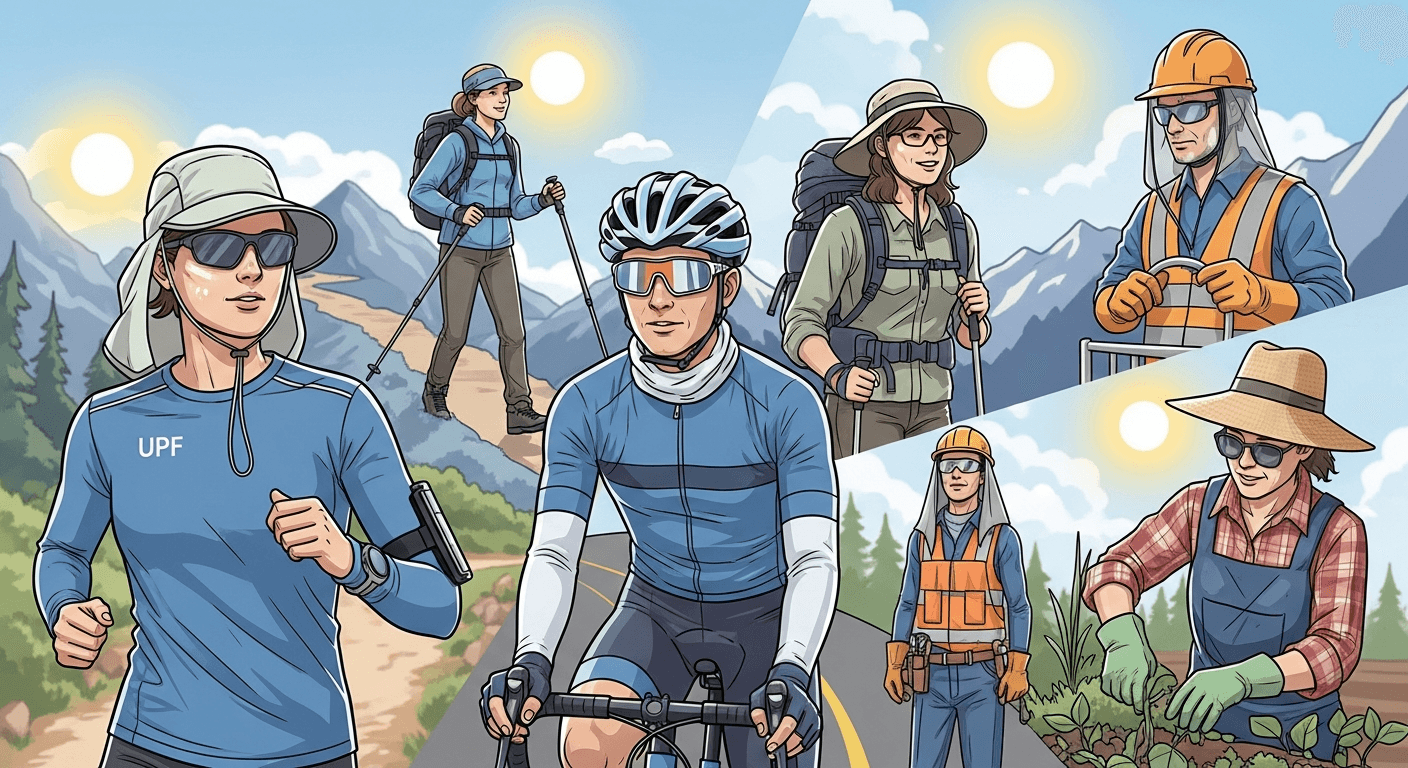
The sun is a source of life, yet its UV radiation poses significant health risks, especially for individuals who spend a lot of time outdoors. For outdoor athletes and outdoor workers, effective sun protection is not just a recommendation but a necessity. Long-term, unprotected exposure to ultraviolet radiation is the primary cause of skin aging, sunburn, and most importantly, skin cancer, including dangerous melanoma and non-melanoma skin cancers (basal cell and squamous cell carcinoma).
This comprehensive article delves into the latest research findings, medical guidelines, and innovative technologies tailored specifically to the needs of these exposed groups. We will address the alarming statistics that highlight the underestimated risk and present practical prevention strategies. Furthermore, you will learn how cutting-edge AI technologies like DermCheck can help detect skin changes early, making a crucial contribution to skin health. A thorough understanding of the dangers and available protective measures is the first step towards a safe and healthy life outdoors.
It is important to understand that UV protection is not a seasonal concern but a year-round necessity that must be integrated into daily life to protect the skin long-term and minimize the risk of serious diseases. We aim to provide you with the knowledge and tools to implement this protection responsibly and effectively.
Understanding UV Radiation: UVA, UVB, and Their Effects
To fully grasp the importance of sun protection, it's essential to understand the different types of ultraviolet radiation and their effects on the skin. The sun emits three main types of UV rays: UVA, UVB, and UVC. Fortunately, UVC radiation is completely absorbed by the Earth's atmosphere and does not reach the surface. UVA and UVB rays, however, do reach us and have different but equally harmful effects on the skin.
UVA rays account for about 95% of the total UV radiation that reaches the Earth's surface. They penetrate deeper into the skin than UVB rays and are primarily responsible for skin aging, wrinkle formation, and loss of skin elasticity. They can also weaken the skin's immune system and contribute to the development of skin cancer. UVA rays are relatively constant throughout the year and at all times of the day, and can even penetrate clouds and window glass, meaning protection is important even indoors or on cloudy days. The Federal Office for Radiation Protection (BfS) provides detailed information on this topic.
UVB rays are responsible for the remaining approximately 5% of UV radiation. They are the main cause of sunburn and play a crucial role in the development of skin cancer, particularly malignant melanoma and non-melanoma skin cancers. UVB rays are most intense in the summer months and at midday, as they are filtered more by the atmosphere when the sun is lower. They stimulate melanin production, which leads to tanning, but is also a sign of skin damage. Both UVA and UVB rays can directly damage DNA in skin cells, leading to mutations and ultimately cancer development. Understanding these mechanisms underscores the need for broad-spectrum sun protection that protects against both UVA and UVB rays, as advocated by the World Health Organization (WHO).
UVA rays (approx. 95% of UV radiation): Penetrate deep into the skin, are responsible for skin aging, wrinkle formation, and contribute to skin cancer development. They are constantly present throughout the year, even through clouds and windows. UVB rays (approx. 5% of UV radiation): Are the main cause of sunburn and skin cancer. They are more intense in summer months and at higher altitudes. Both types damage skin cell DNA.
Alarming Reality: Current Studies and Statistics on UV Exposure
Despite a general increase in awareness of the dangers of the sun, current studies and statistics show that significant gaps in sun protection behavior persist. This is particularly true for groups of people who spend a lot of time outdoors for work or leisure. The consequences are a consistently high and, in many cases, even increasing incidence of skin cancer.
A forecast for 2023/2024 from the Schleswig-Holstein Cancer Registry indicates a further increase in skin cancer cases, as awareness of the issue grows and more cases are identified and reported. These data reflect the development also confirmed by the BARMER Institute for Health Systems Research in its analyses of the frequency and risk factors of skin cancer in Germany. The Bavarian State Office for Health and Food Safety (LGL) documents similar trends in incidence and mortality rates in Bavaria.
These figures illustrate that the problem of insufficient UV exposure continues to be a massive public health burden. There is a noticeable discrepancy between knowledge of the risks and the consistent implementation of protective measures. Many people still underestimate the long-term consequences of repeated sun exposure and the need for continuous protection. This leads to an increased accumulation of UV damage, which can manifest in the long term as an increased incidence of precancerous lesions such as actinic keratoses, basal cell carcinomas, and malignant melanomas. The Onmeda skin cancer statistics for Germany, based on official figures, confirm this worrying development.
Outdoor Athletes in Focus: Why the Risk is Often Underestimated
Dr. Gregory Henderson – Skin Cancer Awareness PSA
Outdoor athletes, from marathon runners to cyclists and water sports enthusiasts, often spend hours in the sun, exposing their skin to extreme UV loads. A meta-analysis from 2023, which examined the sun protection behavior of this group, showed that despite widespread knowledge of UV risks, the consistent application of sun protection measures often remains inadequate. The motivation to achieve peak performance often overshadows the importance of sun protection.
A 2024 study focusing on marathon runners found that only about 35% of participants used sunscreen before the competition and only 10% reapplied it during the race, although exposure time can be several hours. This behavior leads to an increased accumulation of UV damage, which can manifest in the long term as an increased incidence of actinic keratoses, basal cell carcinomas, and malignant melanomas. The Deutsches Ärzteblatt has highlighted this underestimated risk in outdoor athletes and emphasized the need for increased education.
Many athletes feel restricted in their performance by sunscreen, be it due to the feeling on the skin, clogged pores, or running into the eyes when sweating. Furthermore, UV exposure in water sports or in the mountains, where the reflection of the sun further intensifies radiation, is often underestimated. The combination of intense sweating, water or snow reflection, and long exposure times makes outdoor athletes a high-risk group that requires specific sun protection strategies tailored to their needs. Awareness of the long-term consequences of unprotected UV exposure must be urgently raised here to ensure that the joy of sport does not come at the cost of skin health. Pay attention to your body and protect yourself proactively.
Outdoor Workers: An Occupational Disease on the Rise
For outdoor workers, whose exposure is a professional necessity, the figures regarding UV-related skin damage are particularly alarming. According to the 2023 annual report of the German Social Accident Insurance (DGUV), white skin cancer (basal cell and squamous cell carcinoma) continues to be the most commonly recognized occupational disease in Germany (Occupational Disease 5103). In 2022, over 10,000 new cases of white skin cancer were reported as an occupational disease, with a steadily increasing trend in recent years.
A 2023 study among farmers, construction workers, and gardeners showed that only about 20-30% regularly use sunscreen, while protective clothing and headwear are worn more often, but not always consistently. The main reasons for insufficient protection are convenience, forgetfulness, and underestimation of the risk, often associated with the desire for a "healthy tan" or the assumption that already tanned skin is sufficiently protected. The Employers' Liability Insurance Association for Raw Materials and Chemical Industry (BG RCI) also provides important information and recommendations on UV protection.
A 2024 study by the University of Münster also emphasized that cumulative UV exposure over decades in outdoor workers leads to a significantly higher prevalence of precancerous lesions such as actinic keratoses, which are considered precursors to squamous cell carcinomas. These data underline the urgent need to implement effective and sustainable sun protection strategies in professional life and to further raise awareness of the long-term consequences of unprotected UV exposure. The recognition as an occupational disease emphasizes the responsibility of employers to provide appropriate protective measures and to comprehensively train their employees.
Medical Guidelines as a Guide: AWMF and S3 Recommendations
Medical professional societies and working groups formulate evidence-based guidelines that serve as a guide for prevention, diagnosis, and therapy. In Germany, the AWMF (Association of the Scientific Medical Societies) and its S3 guidelines play a central role. These guidelines are decisive for recommendations on skin cancer and sun protection, especially the "S3 Guideline Actinic Keratosis and Squamous Cell Carcinoma of the Skin – Update 2023".
The S3 Guideline "Actinic Keratosis and Squamous Cell Carcinoma of the Skin" emphasizes the importance of primary prevention measures. It recommends a comprehensive strategy that includes the following points: avoiding midday sun (between 11 a.m. and 4 p.m., when the UV index is highest), wearing protective clothing (long pants, long-sleeved tops, wide-brimmed hats), applying broad-spectrum sunscreens with a high sun protection factor (SPF 30 or higher) to exposed skin areas, and regularly reapplying, especially after heavy sweating or water contact. In addition, the use of sunglasses with UV-400 protection is recommended to protect the eyes from UV damage.
These guidelines are not only relevant for medical professionals but also provide the general public with important clues for effective sun protection. The Oncology Guidelines Program, an initiative of the German Cancer Society, German Cancer Aid, and AWMF, makes these guidelines publicly available and underscores their importance for cancer prevention. Adherence to these recommendations is crucial to significantly reduce the individual risk of UV-related skin damage and skin cancer and to maintain skin health in the long term.
Specific Protection Concepts for Outdoor Workers: Occupational Safety in Detail
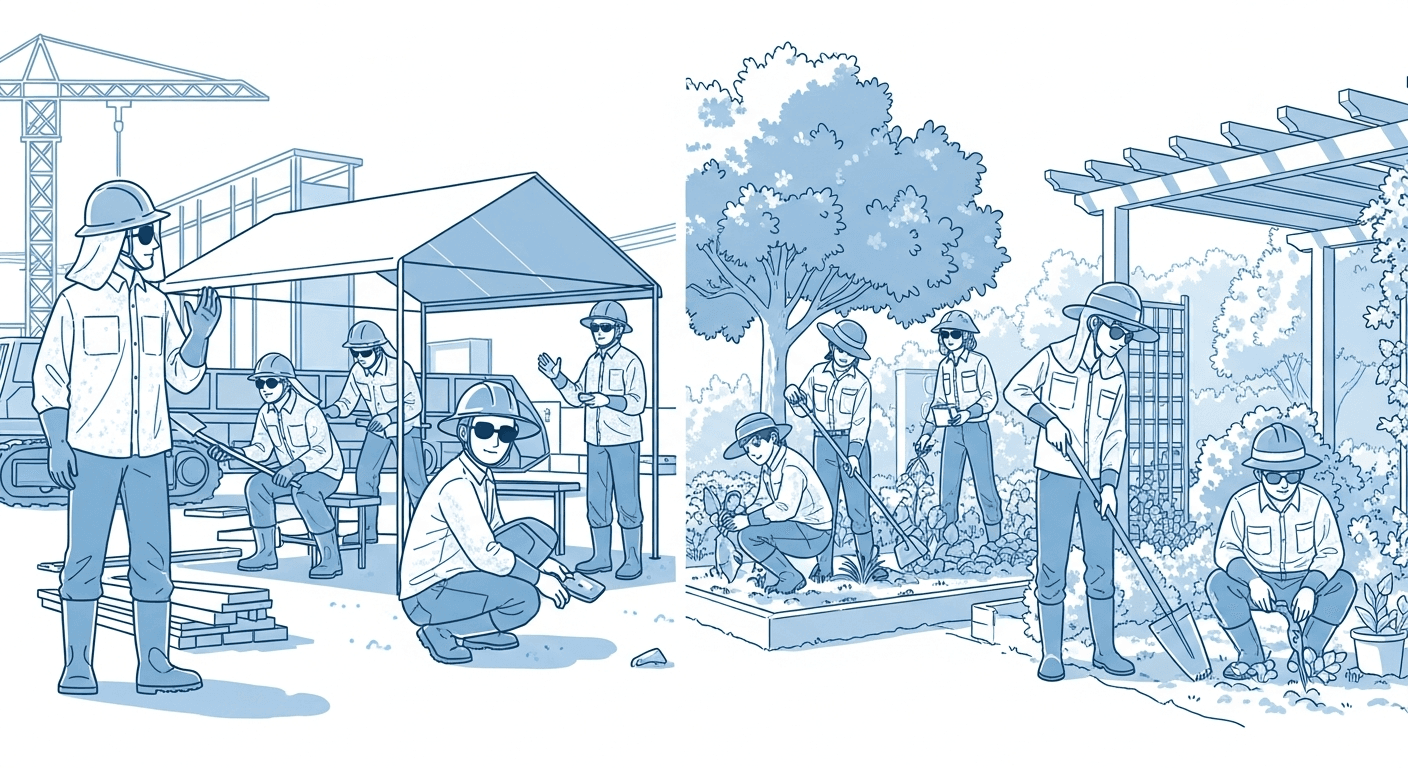
For outdoor workers, whose daily workplace is the sun, specific and consistent occupational safety measures are indispensable. The DGUV and the professional associations offer detailed practical guides and recommendations for companies and employees with UV exposure to minimize the risk of occupational disease. These measures range from working time arrangements to the provision of personal protective equipment (PPE).
Key organizational and technical protective measures include working time arrangements, where activities are shifted to shaded areas or to the early morning and late afternoon hours to avoid intense midday sun. The provision of technical shade providers such as sun sails, tents, or mobile umbrellas at outdoor workplaces is equally crucial. Furthermore, the provision and mandatory wearing of UV-protective clothing (certified according to UV Standard 801 or comparable), wide-brimmed hats, and UV-protective sunglasses as Personal Protective Equipment (PPE) are of great importance. Employers are obligated to provide this PPE and to promote its use.
In addition, employer responsibility includes providing sunscreen with a high SPF (at least 30, preferably 50+) and training employees in its correct application. Regular skin cancer screenings, especially for exposed employees, are another important element of prevention and early detection. The "Clever in Sonne und Schatten" guide to UV and heat protection offers comprehensive information on this. The consistent implementation of these protection concepts is not only a protection of individual health but also a legal obligation and a sign of care in the work environment. Employees should actively use these offers and insist on adherence to protective measures.
Optimal Prevention for Outdoor Athletes: Being Active Smart and Safe
Skin Cancer Awareness Month: Protecting Your Skin as Summer Approaches! (WLWT-TV Interview May 2023)
For outdoor athletes, effective sun protection does not mean having to give up their passion, but rather practicing it intelligently and safely. Since specific "guidelines" in the sense of the AWMF do not exist for athletes, the recommendations of sports physicians and dermatologists are based on general prevention guidelines, adapted to the specifics of athletic activities.
Conscious training planning is the first step: schedule longer training sessions for early morning or late evening hours, when the UV index is lower and the sun is less aggressive. Use apps that show the current UV index to adjust your activities accordingly. Choosing the right functional UV-protective clothing is also crucial. Many sports manufacturers offer special clothing with a high UPF (Ultraviolet Protection Factor), which is breathable, supports sweat transport, and at the same time offers excellent UV protection. Investments in such textiles pay off in the long term, as also highlighted by the University Hospital Leipzig in its recommendations on UV protection.
Another important point is the use of water-resistant sunscreens. Products specifically designed for athletic activities with heavy sweating or water contact offer better adhesion and longer protection. An SPF 50+ is the preferred choice here. Regular reapplication is important, every two hours or immediately after heavy sweating, toweling off, or water contact. Don't forget head protection and sunglasses: Lightweight caps, visors, or special sports sunglasses with UV-400 protection are essential to protect sensitive areas such as the scalp, ears, and eyes. By combining these measures, outdoor athletes can effectively protect their skin while pursuing their sporting goals without compromising their health.
The Burden of Skin Cancer: Epidemiological Data in Germany
Skin cancer is one of the most common cancers worldwide, and figures continue to show an upward trend, also in Germany. This represents a significant burden on the healthcare system and individual quality of life. The German Cancer Society and German Cancer Aid offer comprehensive information on the various types of skin cancer and their epidemiology.
Incidence and Prevalence in Germany: According to the Robert Koch Institute (RKI) and the Society of Epidemiological Cancer Registries in Germany (GEKID), skin cancer is the most common type of cancer in Germany.
- Malignant Melanoma (black skin cancer): The incidence of malignant melanoma has steadily increased in recent decades. In 2020, the age-standardized incidence in Germany was about 22 cases per 100,000 inhabitants for men and 20 cases per 100,000 inhabitants for women. Projections for 2023/2024 show a continuation of this trend with an estimated over 23,000 new cases per year (Schleswig-Holstein Cancer Registry).
- Basal Cell Carcinoma (Basalioma, white skin cancer): This is the most common form of skin cancer. The incidence is estimated at over 200,000 cases per year, which includes an unrecorded number due to its non-reportable nature in some registries. Basalioma grows slowly and rarely metastasizes but can be locally destructive.
- Squamous Cell Carcinoma (Spinalioma, white skin cancer): The second most common form of white skin cancer, whose incidence is also rising. Estimates for 2023 suggest over 80,000 new cases per year. Unlike basal cell carcinoma, squamous cell carcinoma has a low risk of metastasis, but it is higher than with basal cell carcinoma.
Occupational Skin Cancer: White skin cancer as an occupational disease (BK 5103) impressively demonstrates the burden on outdoor workers due to UV radiation. A 2023 study by the University of Osnabrück estimated that up to 50% of squamous cell carcinomas and 20% of basal cell carcinomas in men over 60 years of age could be attributed to occupational UV exposure.
Survival Rates: The overall survival rates for skin cancer are good, but depend heavily on the type of skin cancer and the time of diagnosis. For malignant melanoma, 5-year survival rates are very high (over 90%) with early diagnosis. For basal cell and squamous cell carcinomas, the chances of cure after complete removal are very good, often over 95%. The data underscore the enormous public health burden and the need for consistent prevention strategies, especially for high-risk groups.
Advances in Skin Cancer Treatment: Hope Through Immunotherapy and Targeted Therapies

Medical research has made significant strides in skin cancer treatment in recent years, which have significantly improved prognosis, especially for advanced diseases. These innovative therapies offer new hope for patients whose treatment options were previously limited.
One of the biggest breakthroughs is immunotherapy, particularly with checkpoint inhibitors (e.g., pembrolizumab, nivolumab, ipilimumab). These drugs activate the body's own immune system to recognize and destroy cancer cells. They have revolutionized the prognosis for advanced malignant melanoma and are also showing promising results for advanced squamous cell carcinomas. By strengthening the body's natural defense mechanisms, these therapies can lead to long-lasting remissions.
For melanomas with specific genetic mutations, such as BRAF mutations, targeted therapies are used (e.g., vemurafenib, dabrafenib, trametinib). These drugs directly interfere with the signaling pathways in cancer cells that are responsible for their growth and survival. By blocking these specific signaling pathways, they can effectively inhibit tumor growth and have significantly improved survival rates in these patient groups. The decision for targeted therapy is based on a molecular analysis of the tumor tissue.
There are also continuous new developments in topical therapies for precancerous lesions such as actinic keratoses. In addition to established methods such as cryotherapy, photodynamic therapy (PDT), and topical chemotherapeutics (e.g., 5-fluorouracil, imiquimod), new substances and formulations are being developed that offer better tolerability and effectiveness. New studies, for example, are investigating topical treatments that use a combination of different active ingredients to more effectively eliminate precancerous lesions and reduce the risk of field cancerization (the risk of new lesions developing in sun-damaged skin areas). These advances enable increasingly personalized and effective treatment of skin cancers.
Innovative Technologies for Better Sun Protection: From Smart Textiles to Oral Photoprotection
Research in the field of sun protection is constantly progressing, leading to innovative protective technologies that make everyday life safer for outdoor athletes and outdoor workers. These innovations complement traditional methods and offer extended possibilities for effective UV protection.
The development of new UV filters aims for even broader protection against UVA and UVB radiation with improved photostability and skin compatibility. Microparticle technologies in physical filters (zinc oxide, titanium dioxide) improve aesthetics by leaving fewer visible residues, thus increasing acceptance. These advanced formulations are often specifically designed for high stresses, such as those occurring during athletic activities or hard outdoor work.
A promising but complementary concept is oral photoprotection. Dietary supplements with antioxidants (e.g., Polypodium leucotomos extract, astaxanthin, nicotinamide/vitamin B3) can support the skin's natural protective mechanisms and reduce UV-induced damage. It is important to emphasize that these products should not replace topical sun protection but rather supplement it, especially in high-risk patients with a history of non-melanoma skin cancer or actinic keratoses, as studies from 2023/2024 are investigating. The Federal Office for Radiation Protection (BfS) emphasizes that no filter, however good, can replace mechanical protection by clothing.
In the field of clothing, smart textiles and UV sensor technology are revolutionizing protection. New fabrics not only offer a high UPF (Ultraviolet Protection Factor) but are also breathable, moisture-regulating, and quick-drying. Wearable UV sensors are small, portable devices or stickers that measure the accumulated UV dose in real-time and warn the wearer when a critical level is reached. Some of these sensors are connected to smartphone apps that provide personalized recommendations for reapplying sunscreen or seeking shade. Data from 2024 shows that these tools can significantly improve adherence to sun protection. These technological advances offer both improved options for treating skin cancer and innovative ways to effectively protect the skin from harmful UV radiation.
Comparison of Sunscreens
| Feature | Chemical Filters | Mineral Filters (physical) |
|---|---|---|
| Mechanism of Action | Absorb UV radiation and convert it into heat | Reflect and scatter UV radiation on the skin surface |
| Absorption | Often absorb quickly, leave less visible residue | Can leave a white film (microparticles improve this) |
| Protection Start | Require 20-30 minutes to take effect | Protect immediately upon application |
| Skin Compatibility | May cause irritation in sensitive skin | Often better tolerated for sensitive skin |
| Active Ingredients | Oxybenzone, Avobenzone, Octinoxate etc. | Zinc Oxide, Titanium Dioxide |
Quelle: DermCheck Experts
Recognizing Risk Factors: Who is Particularly at Risk?
Ultraviolet radiation exposure and human skin health
A comprehensive understanding of risk factors for skin cancer is crucial for implementing targeted preventive measures. While everyone can be affected by UV radiation, certain individuals and circumstances are associated with a significantly higher risk of developing skin cancer.
- Skin Type: Lighter skin types (Fitzpatrick I and II), who burn easily and tan poorly, have a significantly higher risk for all types of skin cancer.
- Number of Sunburns: Sunburns, especially in childhood and adolescence, significantly increase the risk of malignant melanoma. This underscores the urgency of starting consistent sun protection early, as emphasized by the Robert Koch Institute (RKI) and the German Cancer Society (DKG) for children and adolescents.
- Cumulative UV Exposure: A high total dose of UV radiation over a lifetime, as occurs in outdoor workers, is the main risk factor for actinic keratoses, basal cell, and squamous cell carcinomas.
- Number of Pigmented Moles: A high number (>50) of atypical or dysplastic nevi increases the melanoma risk. Regular self-examination and professional skin checks are essential here.
- Genetic Predisposition: A family history of skin cancer, especially melanoma, is a risk factor that requires increased vigilance.
- Immunosuppression: Individuals with a weakened immune system (e.g., organ transplant recipients or HIV-positive patients) have a significantly increased risk of squamous cell carcinomas and require special protective measures.
- UVA Exposure: Tanning beds and certain therapies using UVA light are also risk factors, as UVA radiation penetrates deep into the skin and can lead to cell damage.
- Occupational Exposure: Outdoor occupations such as construction workers, farmers, gardeners, roofers, and fishermen are particularly at risk due to chronic UV exposure. This is also confirmed by the Basalzellkarzinom.de page on skin cancer prevention.
Knowledge of these factors enables targeted approaches for high-risk groups and the development of individual protection strategies to reduce the likelihood of skin cancer development. Everyone should know their personal risk profile and take appropriate precautions.
The ABCDE Rule of Sun Protection: A Preventive Strategy for Every Day
The "ABCDE" rule is a simple and memorable strategy for daily sun protection, recommended by dermatologists and health organizations such as the German Cancer Aid. This rule helps to internalize and consistently implement the most important preventive measures to minimize the risk of skin cancer. The Cancer Information Service of the German Cancer Research Center also offers comprehensive information on this.
- A for Awareness: This is the first and fundamental step. It's about informing yourself and others about the dangers of UV radiation and the importance of sun protection. Only those who understand the risks can make conscious decisions for their protection. The BfS makes an important contribution to public education here.
- B for Be in the Shade: The most effective measure is to avoid direct sun, especially during midday (between 11 a.m. and 4 p.m.), when the UV index is highest. Shade can reduce UV exposure by up to 90%. This is particularly important for children, as emphasized by the CCC Munich Cancer Center.
- C for Clothing: Tightly woven fabrics with long sleeves and pants, as well as a wide brim on headwear, offer excellent protection. Special UV-protective clothing (UPF 50+) is ideal for outdoor athletes and workers, as it provides reliable protection.
- D for Don't Skimp: Sunscreen with a high sun protection factor (SPF 30-50+) should be applied generously to all exposed skin areas. A rule of thumb is that about 30-40 ml (a shot glass full) is needed for the entire body. Reapplying every 2 hours, after heavy sweating or water contact, is essential.
- E for Eyes & Ears: Good sunglasses with UV-400 protection protect the eyes from cataracts and other damage. The ears are also particularly exposed and must be protected by a hat or sunscreen. The Federal Ministry of Health supports these recommendations.
The consistent application of this rule in daily life forms a strong line of defense against the harmful effects of the sun and should be firmly integrated into everyone's routine.
A for Awareness: Inform yourself and others about UV dangers.
B for Be in the Shade: Avoid midday sun (11 a.m. - 4 p.m.).
C for Clothing: Protect yourself with UV-dense clothing and headwear.
D for Don't Skimp: Apply enough sunscreen (SPF 30-50+).
E for Eyes & Ears: Protect eyes with sunglasses and ears with a hat/cream.
The DermCheck Advantage: AI-Powered Skin Cancer Screening for Your Safety
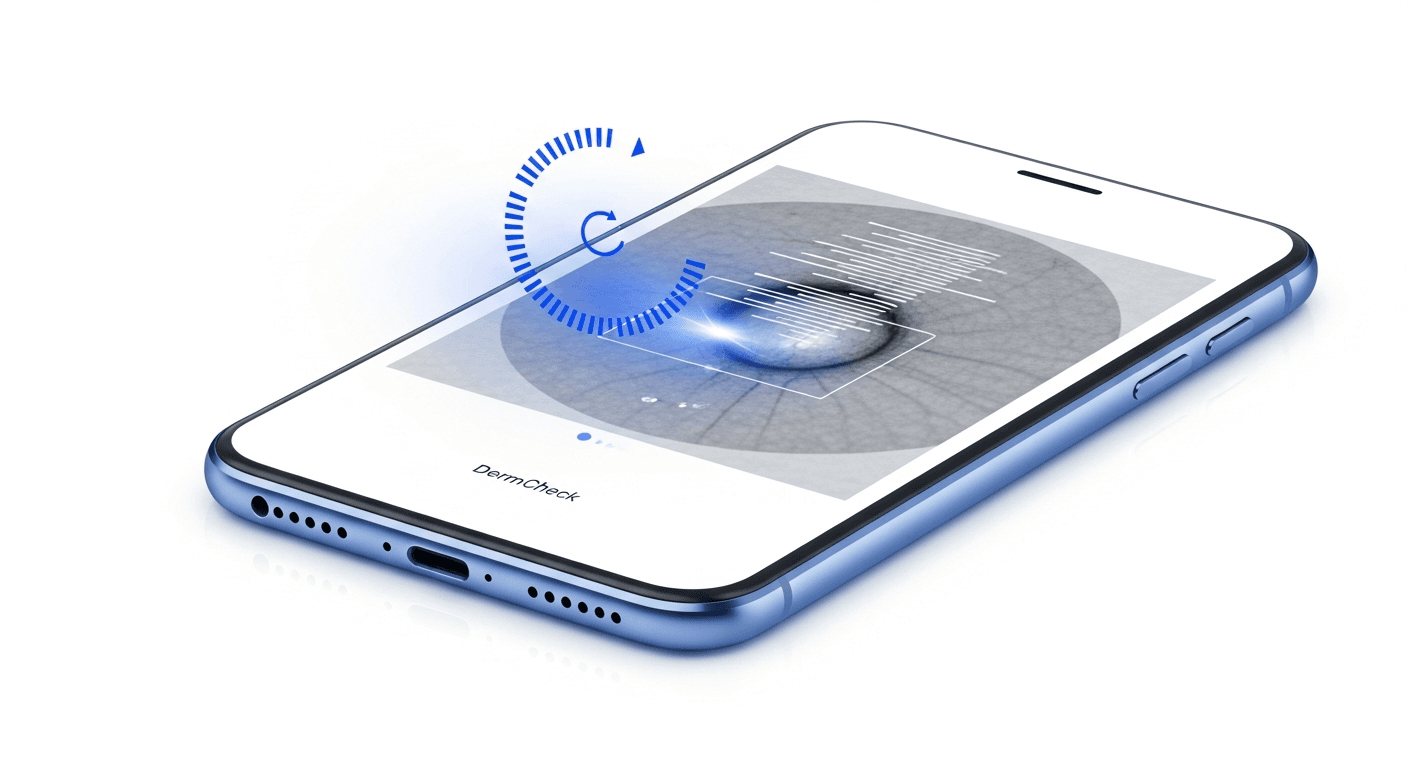
Early detection of skin cancer is crucial for treatment success. Here, artificial intelligence (AI) plays a revolutionary role and is transforming dermatological diagnostics. DermCheck starts exactly here and offers an innovative, AI-powered skin cancer screening solution that provides you with more safety in everyday life and as a complement to professional prevention.
Our AI algorithms, based on deep neural networks, are trained to analyze dermatological images (dermoscopy, clinical images) with high accuracy and identify suspicious lesions. Studies from 2023 have shown that such AI systems can achieve comparable or even higher sensitivity than experienced dermatologists in distinguishing malignant melanomas from benign nevi. This makes AI a valuable triage tool that can identify high-risk patients for a more precise examination and thus improve the efficiency of screening.
DermCheck allows you to check moles and skin changes conveniently from home. You simply take a photo of your skin change, and our AI analyzes it for potential abnormalities. This is particularly beneficial for outdoor athletes and outdoor workers who are often on the go or live in rural areas where access to a dermatologist may be limited. A 2024 study also showed high acceptance and effectiveness of teledermatology in skin cancer aftercare, which underscores the relevance of digital solutions.
It is important to understand that DermCheck serves as a supporting tool to assist you with self-monitoring and to give you an initial assessment. It does not replace a professional examination by a dermatologist but is an excellent addition to regular preventive care. In case of abnormalities, you will receive a recommendation to consult a specialist. With DermCheck, you have an intelligent partner at your side who helps you proactively manage your skin health and detect suspicious changes early.
Practical Tips for Everyday Life: How to Protect Yourself Effectively
For outdoor athletes and outdoor workers, effective sun protection is not a luxury, but an essential part of health care. Here are practical tips and information that can be easily integrated into everyday life to significantly reduce the risk of skin damage and skin cancer. The University Hospital Leipzig and the CCC Munich Cancer Center also offer valuable information on UV protection.
General Basics of Sun Protection:
- Know your skin type: Lighter skin types are particularly susceptible to sunburn and skin cancer and require stricter protection.
- Pay attention to the UV index: Inform yourself daily about the UV index in your region (e.g., via weather apps or the Federal Office for Radiation Protection). Protection is absolutely necessary from a UV index of 3 upwards.
- Use shade: Between 11 a.m. and 4 p.m., when the sun is most intense, you should stay in the shade as much as possible.
- Protective clothing: Long sleeves and pants made of tightly woven fabrics or special UV-protective clothing offer the best protection. A wide-brimmed hat protects the face, ears, and neck.
- Apply sunscreen correctly: Choose a broad-spectrum sunscreen with SPF 30-50+ that protects against both UVA and UVB radiation. Apply it generously (approx. 30-40 ml for the whole body) at least 20-30 minutes before going outdoors. Regular reapplication every two hours or after heavy sweating/water contact is essential.
- Wear sunglasses: Good sunglasses with UV-400 protection protect the eyes from cataracts and other damage.
Specific Tips for Outdoor Athletes:
- Adjust training times: Schedule longer training sessions for early morning or late evening hours.
- Sport-specific sunscreen: Choose products specially developed for athletes – they are often sweat and water-resistant and less likely to run into the eyes. Sprays or sticks can be practical for quick reapplication on the go.
- Functional UV-protective clothing: Invest in sports clothing with a high UPF (e.g., UPF 50+) that is lightweight, breathable, and quick-drying.
- Don't forget your lips: Use a lip balm with SPF.
Specific Tips for Outdoor Workers:
- Use occupational safety measures: Insist on the PPE provided by the employer (UV-protective clothing, hat, sunglasses) and use it consistently.
- Breaks in the shade: Take every opportunity to spend breaks in the shade. Talk to your employer about the possibility of installing shade providers at the workplace.
- Skin check as a routine: Regularly look for changes in your skin (ABCDE rule).
- Regular skin cancer screening: As an outdoor worker, you have an increased risk. Take advantage of regular check-ups with a dermatologist.
- Check UV index: Every morning.
- Seek shade: Especially at midday.
- Clothing protects: Prefer long sleeves and headwear.
- Cream, cream, cream: SPF 30-50+ generously and regularly.
- Protect eyes: Sunglasses are a must.
- Observe skin: Regular self-check.
- Consult professionals: Regular dermatologist visits.
UV Index and Recommended Protection
| UV Index | Risk | Recommended Protective Measures |
|---|---|---|
| 1-2 | Low | No special protection needed, avoid long stays. |
| 3-5 | Moderate | Sunscreen SPF 30+, hat, sunglasses, seek shade. |
| 6-7 | High | Sunscreen SPF 30-50+, protective clothing, hat, sunglasses, actively seek shade. |
| 8-10 | Very High | Sunscreen SPF 50+, consistent protective clothing, hat, sunglasses, absolutely avoid direct sun. |
| 11+ | Extreme | Sunscreen SPF 50+, absolutely avoid outdoor activities, if unavoidable: maximum protection. |
Debunking Myths and Misconceptions: Clarity in the Sun Protection Jungle
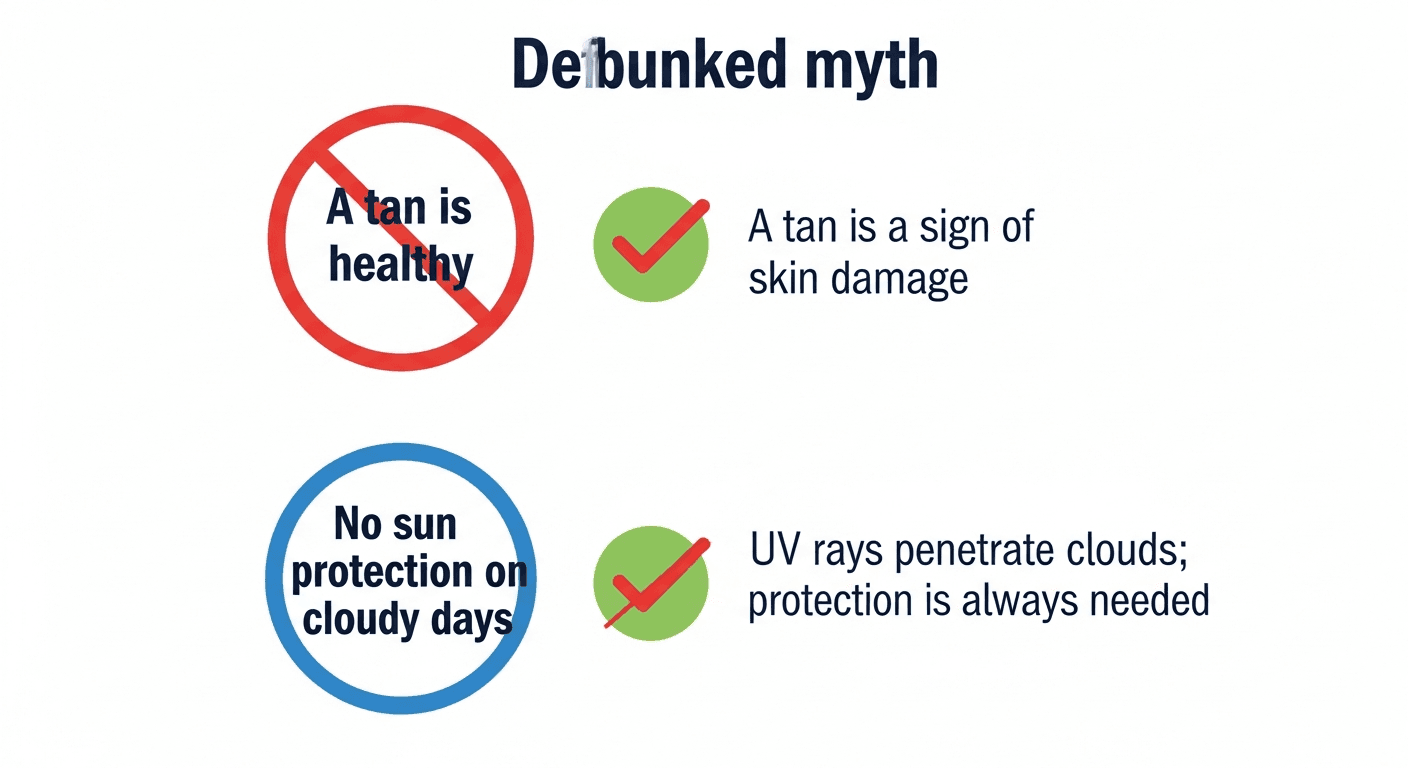
Numerous myths and misconceptions circulate in the area of sun protection, leading to a deceptive sense of security and unnecessarily exposing the skin to risks. It is crucial to clarify these misunderstandings to ensure truly effective protection.
- "A healthy tan protects my skin sufficiently." This is one of the most dangerous misconceptions. Any tan is a sign of skin damage from UV radiation. Tanned skin only offers a natural sun protection factor (SPF) of about 2-4, which is far below the recommended protection (SPF 30-50+) and by no means sufficient. The skin reacts to UV damage with melanin production as the body's own defense, but this is limited.
- "On a cloudy day, I don't need sun protection." Another widespread misconception. Up to 80% of UV radiation can penetrate clouds. On a cloudy summer day, the UV index is often still high enough to cause sunburn and damage the skin. Even if the sun is not shining directly, UV rays are present and active, as the BfS also emphasizes.
- "I'm safe from UV radiation in water or snow." The opposite is true. Water reflects UV rays, and snow can even reflect up to 80% of UV radiation. This significantly increases exposure, as rays hit the skin from both above and below. When swimming or skiing, a particularly high SPF and regular reapplication are therefore necessary.
- "Last year's sunscreen is still fine." The effectiveness of sunscreens can decrease over time, especially after opening and with improper storage (e.g., in the sun). The protective filters can break down, and the product loses its full effect. Always pay attention to the expiry date and the PAO (Period After Opening) indication on the packaging, often a symbol with an open cream tube and a number (e.g., 12M for 12 months).
- "Dark skin types don't need sun protection." Although dark skin types have higher intrinsic protection due to more melanin, they can still get sunburned and develop skin cancer, albeit less frequently than fair skin types. The diagnosis of skin cancer in darker skin types can also be more difficult and often occurs at a later stage. Protection is important for everyone, regardless of skin type.
By clarifying these myths and providing well-founded knowledge, we can help everyone deal with the sun more consciously and protect their skin effectively.
Medical Disclaimer and Your Next Step
The information in this blog article is for general informational purposes only and is in no way a substitute for professional medical advice, diagnosis, or treatment by a qualified physician. Particularly in cases of suspected skin cancer or persistent skin problems, immediate consultation with a dermatologist is essential.
Early detection of skin cancer is the decisive factor for successful treatment and cure. Therefore, we strongly encourage you to perform regular skin checks and to utilize skin cancer screening offers. For outdoor athletes and outdoor workers, who are exposed to an increased risk, this precaution is of particular importance.
Should you notice any skin changes that correspond to the ABCDE rule (Asymmetry, Border, Color, Diameter, Evolution), or if a mole itches, bleeds, or feels unusual, do not hesitate to consult a dermatologist. Such symptoms should always be clarified by a specialist.
As a complement to regular dermatologist visits, DermCheck offers an innovative, AI-powered tool for self-checking moles. This can help you detect potential changes early and, if necessary, quickly arrange an appointment with a specialist. Remember: Your skin is your largest organ and deserves the best protection and the most attentive care. Stay vigilant and proactively protect your health.