Skin Self-Examination: A Guide to Early Skin Cancer Detection
Learn how to systematically check your skin for moles and changes. Our step-by-step guide, including the ABCDE rule and current studies, helps you detect skin cancer early. Discover the role of AI tools like DermCheck.
Publicado el 2026-03-16 · DermCheck Editorial
Este artículo se ha creado con ayuda de inteligencia artificial.
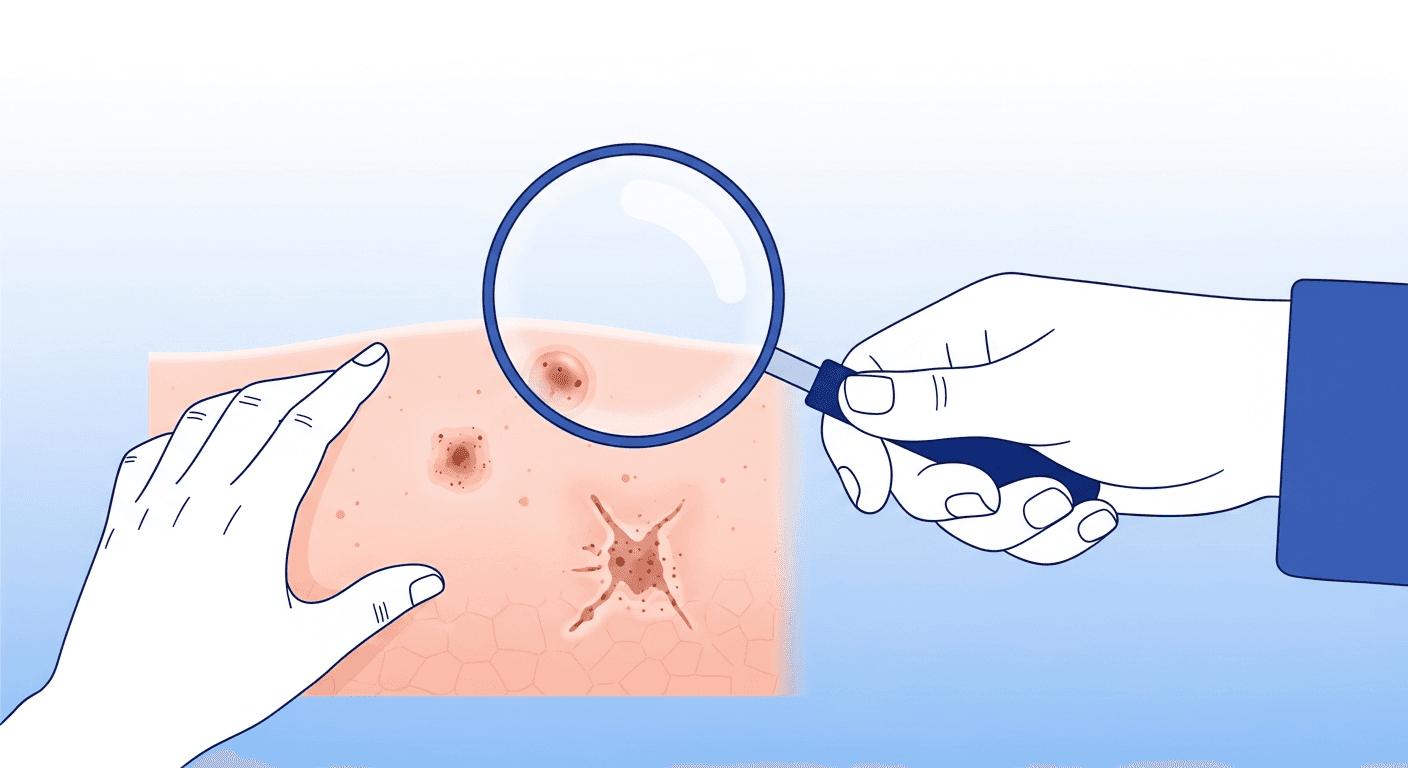
Skin Cancer Early Detection: Why Self-Examination is Crucial
Skin Self Exam
Dear readers of our Dermatology Blog, as your medical writer, it is a special concern of mine to provide you with comprehensive information on a topic that plays a central role in the prevention of skin cancer: skin self-examination. It is a simple but immensely important measure to detect changes early and, in serious cases, save lives. In this detailed article, you will learn everything about the step-by-step guide for regular checking of moles and skin changes, supported by current studies, medical guidelines, epidemiological data, and insights into modern technologies, including the role of Artificial Intelligence.
Skin cancer, particularly malignant melanoma, is one of the fastest-growing cancers worldwide. The good news, however, is that if detected early, skin cancer is curable in most cases. This is where regular skin self-examination comes in. It allows you to notice changes on your skin yourself and seek a dermatologist's advice early.
The American Academy of Dermatology (AAD) emphasizes that the early detection of skin cancer, especially melanoma, is crucial for successful treatment. A monthly skin self-examination can help identify new or changing moles and lesions. A 2020 study highlights that the number of early-stage melanomas detected by patients themselves has significantly increased since the start of national skin cancer screening programs. This demonstrates the effectiveness and necessity of raising awareness and educating patients about self-examination.
Over 50% of melanomas are detected by patients themselves or their partners. Your regular self-examination is therefore a crucial contribution to early detection!
The Alarming Figures: Current Studies and Statistics (2023-2026)
The latest data underscores the urgency of skin cancer prevention and early detection, revealing both challenges and successes.
Germany:
- According to estimates from the Robert Koch Institute (RKI) and the Association of Epidemiological Cancer Registries in Germany (GEKID), skin cancer remains the most frequently diagnosed cancer in Germany. In 2020, approximately 230,000 cases of non-melanoma skin cancer (basal cell carcinoma and squamous cell carcinoma) and around 23,000 cases of the significantly more dangerous malignant melanoma were diagnosed.
- More recent figures for 2023 show that around 27,430 people in Germany developed malignant melanoma of the skin, with roughly equal numbers of women and men affected. Age-standardized incidence rates have risen sharply since 2008, likely a consequence of the skin cancer screening program introduced in July 2008. Since 2012, the incidence rate has slightly declined in women and remained approximately constant in men. (Source: Centre for Cancer Registry Data (RKI))
- The mortality rate for malignant melanoma shows a positive trend due to improved early detection and treatment options, but stagnates in some age groups. In 2023, 3,169 people in Germany died from malignant melanoma and 1,332 from non-melanoma skin cancer.
- A 2020 study showed that since the introduction of screening, there has been a significant increase in the number of early-stage melanomas detected by patients themselves or their partners. This highlights the synergistic effect of professional screening and education on self-examination.
International:
- Globally, the incidence of melanoma continues to rise. It is projected that in 2024 alone, approximately 100,640 new cases of invasive melanoma will be diagnosed in the USA, and about 8,290 people will die from this disease.
- Early detection of melanoma is crucial. When melanomas are diagnosed and removed at an early stage, the five-year survival rate is 99%. However, if the cancer has spread to distant lymph nodes or organs, the survival rate drops significantly to 32%. These figures illustrate the importance of every measure for early detection, including self-examination. (Source: Krebsinformationsdienst, DKFZ)
- Studies show that over 50% of melanomas are detected by patients themselves, often with the help of family members or partners. This underscores the role of an informed public and regular self-examination.
Medical Guidelines and Recommendations: The Framework for Early Detection
Medical professional societies and guidelines emphasize the necessity of early detection through professional screening and patient education on self-examination.
AWMF-S3 Guideline "Diagnosis, Therapy, and Aftercare of Melanoma":
- The AWMF-S3 guideline for malignant melanoma is the central recommendation for dermatologists in Germany. It is regularly updated and includes detailed recommendations for diagnosis, therapy, and aftercare. The guideline recommends regular check-ups by a dermatologist, especially for high-risk individuals.
- It also stresses the importance of educating patients about the need for skin self-examination and recognizing suspicious skin changes. The so-called ABCDE rule (Asymmetry, Border, Color, Diameter, Evolution) is highlighted as an important tool for detecting melanomas and is a central component of patient information.
National Care Guideline (NVL) Skin Cancer:
- The National Care Guideline Skin Cancer, also relevant in Germany, complements the S3 guideline and focuses on patient-oriented care. It emphasizes the importance of shared decision-making and comprehensive patient information.
- Here, too, patient self-observation of the skin is mentioned as an integral part of the early detection strategy. Patients should be instructed to examine their skin for new or changing lesions and to seek medical advice if abnormalities are noticed.
International Recommendations:
- The European Academy of Dermatology and Venereology (EADV) and the American Academy of Dermatology (AAD) also issue recommendations for early detection. They emphasize the importance of annual professional skin cancer screening, especially for individuals at increased risk, and the necessity of monthly skin self-examination. The AAD recommends performing a skin self-examination at least once a month to check the skin for new or changing moles, spots, or lesions.
Detailed Epidemiological Data: Insights into the Burden of Skin Cancer
A look at the epidemiological data clarifies the extent of the challenge and the successes of early detection.
Incidence and Prevalence:
- In Germany, approximately 230,000 people are newly diagnosed with non-melanoma (light) skin cancer each year, while about 23,000 people are diagnosed with malignant melanoma (2020 data). For 2023, around 27,430 new cases of malignant melanoma are estimated. A total of approximately 309,000 new skin cancer cases were projected for 2023.
- Incidence rates for malignant melanoma continue to show a slight increase, particularly in older individuals. For basal cell carcinoma and squamous cell carcinoma (the light skin cancers), there are also consistently high incidence rates, which are often not fully captured in cancer registries as they are less frequently fatal and often treated outpatient. Further information can be found at the Centre for Cancer Registry Data (RKI).
- Globally, skin cancer is the most common type of cancer. While melanoma accounts for only a small portion of skin cancer cases (approx. 1%), it is responsible for most skin cancer-related deaths.
Survival Rates and Mortality:
- Thanks to improved early detection and therapy, survival rates for malignant melanoma have significantly improved in recent decades. If a melanoma is detected and removed early, the five-year survival rate is an impressive 99%.
- If diagnosis is delayed and the tumor has already spread to regional lymph nodes, the five-year survival rate drops to 71%. With distant metastasis, it drastically falls to 32%. These figures clearly demonstrate how crucial early detection is.
- Currently, for women with malignant melanoma of the skin in Germany, the relative 5-year survival rates are 96% and for men 94%. The 10-year survival rates are 96% for women and 95% for men.
- Approximately 67% of all melanomas are detected at an early tumor stage (UICC I).
- Mortality rates for malignant melanoma in Germany have changed little during the observation period. In 2023, 3,169 people died from malignant melanoma.
Incidence and Mortality of Skin Cancer in Germany (2023)
| Type of Skin Cancer | New Cases (approx.) | Deaths (approx.) |
|---|---|---|
| Malignant Melanoma | 27,430 | 3,169 |
| Non-melanoma Skin Cancer | 230,000* | 1,332 |
Quelle: RKI, GEKID
Prevention is the Best Protection: Know and Avoid Risk Factors
The best treatment is the one that is not even needed. Prevention is the key to reducing the risk of skin cancer. More information can also be found on the ONKO-Internetportal of the DKG.
Most Important Prevention Measures:
- Sun Protection: This is the most important measure.
- Avoid midday sun: Between 11 AM and 3 PM, UV radiation is most intense. Seek shade during this time.
- Protective clothing: Clothing that blocks UV radiation (dense fabrics, long sleeves, wide-brimmed hats) offers the best protection. Special UV protective clothing is also available.
- Sunscreen: Apply sunscreen generously with a sun protection factor (SPF) of at least 30, preferably 50+, and reapply every two hours, as well as after swimming or heavy sweating. Look for broad-spectrum products that protect against UVA and UVB radiation.
- Sunglasses: Protect your eyes with UV-impermeable sunglasses.
- Avoidance of tanning beds: Tanning beds emit UV radiation, which significantly increases the risk of skin cancer, especially melanoma. The World Health Organization (WHO) classifies tanning beds as carcinogenic (Category 1). Using tanning beds before the age of 35 increases the risk of developing melanoma by 60% to 87%. Pre-tanning in a solarium does not protect against sunburn and DNA damage.
- Regular skin self-examination: As described in this blog post, regular checking of your own skin is essential for early detection.
- Professional skin cancer screening: Have your skin regularly examined by a dermatologist, especially if you have risk factors. In Germany, insured individuals aged 35 and over are entitled to a skin cancer screening every two years.
Risk Factors for Skin Cancer:
Further information on risk factors is available from the Krebsinformationsdienst, DKFZ.
- Skin type: Fair-skinned people who easily get sunburned, tan poorly, and tend to have freckles (skin types I and II) have a significantly higher risk.
- Number and type of moles: Many moles (over 50-100), especially atypical (dysplastic) moles, increase the risk of melanoma.
- Sunburns in childhood: Severe sunburns, especially with blistering and before the age of 15 or 20, are a significant risk factor for the development of melanoma later in life.
- Intense UV exposure: Frequent and intense sun exposure, especially intermittent, intense exposure (e.g., during vacations with strong sun exposure), increases the risk.
- Family history: If close relatives (parents, siblings, children) have already suffered from melanoma, your own risk is more than twice as high.
- Immunosuppression: A weakened immune system (e.g., after organ transplants or with certain diseases such as HIV) increases the risk of skin cancer.
- Age: The risk of skin cancer increases with age. The average age of onset for melanoma is 63-64 years for women and 69 years for men.
Using tanning beds significantly increases the risk of melanoma. The WHO classifies tanning beds as a Group 1 carcinogen – for the sake of your skin health, avoid them!
New Horizons: Innovative Treatment Methods for Skin Cancer
Research in skin cancer treatment is making rapid progress. In addition to surgical procedures, which often lead to healing with early detection, there are exciting developments. More detailed information on therapies is also provided by the Deutsche Krebshilfe in their Blue Guide.
- Immunotherapy: Immunotherapy has revolutionized the treatment of advanced melanoma. Drugs such as checkpoint inhibitors (e.g., pembrolizumab, nivolumab, ipilimumab) activate the body's immune system to recognize and destroy cancer cells. They have significantly improved survival rates in metastatic melanoma and are also used adjuvantly (after surgery) to reduce the risk of recurrence. Newer developments also include subcutaneous formulations of nivolumab, which significantly shorten application time. The combination of nivolumab and ipilimumab showed a median overall survival of 72.1 months in long-term studies (6.5 years follow-up). New immunotherapies such as cobolimab in combination with dostarlimab are also being tested in clinical trials for resectable melanomas and show promising results.
- Targeted Therapies: For patients whose melanomas show certain gene mutations (e.g., BRAF mutation, which occurs in about 50% of melanoma patients), there are targeted drugs (e.g., vemurafenib, dabrafenib with trametinib) that block specific signaling pathways in the cancer cells and thus inhibit tumor growth. These therapies have significantly improved prognosis and largely replaced chemotherapy.
- Neoadjuvant Therapies: A promising approach is neoadjuvant treatment, where drugs (immunotherapy or targeted therapy) are used before surgery to shrink the tumor and improve surgical outcomes. Studies show promising results in terms of lower recurrence and progression rates.
- mRNA Vaccines and Personalized Vaccines: A promising new option is adjuvant therapy with an RNA vaccine in combination with pembrolizumab, which shows preliminary data on recurrence-free survival. These tumor-specific mRNA vaccines (e.g., mRNA-4157/V940) target individual neoantigens and are used to overcome resistance to checkpoint inhibitors and improve cure rates.
- Modern Radiotherapy: In certain forms of skin cancer, especially non-melanoma skin cancer in difficult locations or in inoperable tumors, radiotherapy plays an important role. Advances in technology enable more precise radiation with fewer side effects.
- Topical Therapies: For superficial forms of light skin cancer and its precursors (actinic keratoses), there are still topical treatments such as creams (e.g., with imiquimod or 5-fluorouracil) or photodynamic therapy.
Artificial Intelligence (AI) in Dermatology: The Future of Diagnostics with DermCheck
Auffällige Muttermale: Wie gut erkennt KI Hautkrebs? | DocBot | ARD Gesund
The digitization and the use of Artificial Intelligence (AI) are increasingly entering dermatology and promise to improve diagnostics and monitoring. This is where DermCheck comes in.
- AI-powered skin cancer diagnostics: AI algorithms, particularly those using machine learning and deep learning, are trained to analyze skin lesions and differentiate between benign moles and malignant skin changes. For example, they can evaluate images from dermatoscopes or smartphones and assist dermatologists in diagnosis. Studies show that AI systems can achieve similar or even higher accuracy in detecting melanomas in some cases than experienced dermatologists.
- Digital dermoscopy and teledermatology: Digital dermatoscopes allow the storage and comparison of mole images over time (body mapping). This is particularly useful for patients with many moles for detecting new or changing lesions. In combination with teledermatology, dermatologists can also assess findings remotely, which can improve access to specialists, especially in rural areas.
- Patient apps and wearables: There are increasingly more smartphone apps designed to help users monitor their moles. Some of these apps use AI to perform an initial risk assessment. This is where DermCheck comes in: As an AI-powered skin cancer screening tool, it offers an initial assessment and can help you document and observe suspicious skin changes.
- Advantages and challenges: The benefits of AI and digital diagnostics lie in the potential improvement of diagnosis, increased efficiency, and better access to care. Challenges include ensuring data quality, validating algorithms in clinical practice, ethical questions, and integration into existing workflows. The human dermatologist remains essential for the final diagnosis and therapy decision.
AI tools like DermCheck are valuable aids to support self-observation and early risk assessment. However, they are not a substitute for professional examination and diagnosis by a trained dermatologist. In case of suspicion or uncertainty, always consult a doctor.
Your Role in Early Detection: Why Self-Examination is So Important
As already mentioned, you play a crucial role in skin cancer early detection. Skin self-examination is a proactive measure that everyone can learn and perform regularly. It is a personal contribution to health care that can save lives.
Studies such as "Melanoma early detection with thorough skin self-examination: the 'Check It Out' randomized trial" (PubMed, 2007) and "Efficacy of skin self-examination practices for early melanoma detection" (PubMed, 2009) have repeatedly confirmed the effectiveness and importance of regular and thorough skin self-examination in the early detection of melanomas. This practice leads to melanomas being detected at an earlier, more treatable stage, which significantly improves survival rates. The Deutsches Ärzteblatt also highlights its relevance.
The realization that patients themselves or their partners are often the first to notice suspicious skin changes should encourage you to take this responsibility seriously. Informed and trained self-examination optimally complements professional skin cancer screening and creates a comprehensive network of early detection. It's not about becoming an expert, but about noticing changes and having them professionally evaluated.
The ABCDE Rule: Your Guide to Suspicious Moles
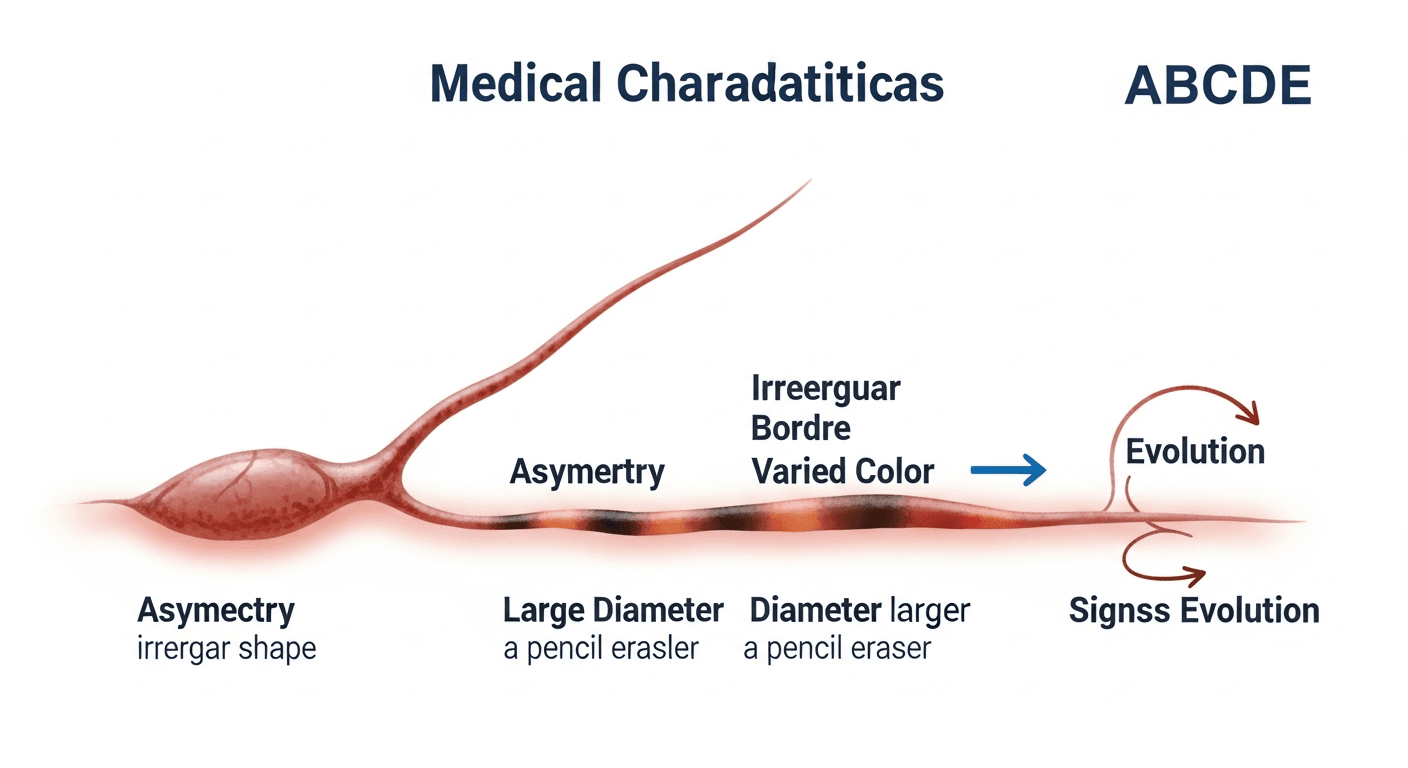
Before we get to the step-by-step guide, it's important to know the ABCDE rule. It helps you identify suspicious moles and pigmented spots that could indicate malignant melanoma. If you notice one or more of these characteristics, you should consult a dermatologist immediately! This rule is a central element of skin cancer early detection.
- A - Asymmetry: The mole is not evenly round or oval, but has an irregular shape. One half of the spot is different from the other half.
- B - Border: The border of the mole is irregular, frayed, jagged, or poorly defined, not smooth and even.
- C - Color: The mole has different shades, e.g., varying shades of brown, black, red, white, or blue. A homogeneous coloration is less suspicious.
- D - Diameter: The mole is larger than 6 millimeters in diameter (about the size of a pencil eraser). However, smaller melanomas can also occur. A diameter of more than 5 mm should also lead to clarification.
- E - Evolution: The mole has changed in color, size, shape, elevation, or other characteristics (itching, bleeding), or a new, unusual mole has appeared. This point is particularly important, as changes are often an alarm sign and should be evaluated by a dermatologist as soon as possible.
These criteria are firmly established in medical guidelines, such as the S3 Melanoma Guideline, and serve as important points of orientation for you and your doctor.
Your Step-by-Step Guide: Skin Self-Examination – Part 1 (Preparation & Upper Body)
Skin Cancer Detection: Performing a Skin Self-Exam
Skin self-examination is your personal contribution to skin cancer prevention. Take at least 10 to 15 minutes for this once a month. Find a well-lit room and use a full-length mirror and a handheld mirror for hard-to-see areas. If necessary, ask a trusted person for help to check your back or scalp.
Step 1: Preparation
- Find a well-lit room.
- Get a full-length mirror, a handheld mirror, and possibly a hairdryer.
- Remember which moles you already know to better notice new changes. Take photos to track changes over time. This can be especially helpful in assessing the aspect of 'Evolution'.
Step 2: Front of the Body
Stand in front of the full-length mirror.
- Start with your face: Check your nose, lips, mouth, and ears. Don't forget the skin behind your ears and on your neck.
- Move to your neck and chest. Lift your breasts to check the skin underneath.
- Check your abdomen, groin area, and genitals.
A good visualization of the process can also be found in the video "Skin Cancer Detection: Performing a Skin Self-Exam."
Your Step-by-Step Guide: Skin Self-Examination – Part 2 (Arms, Hands & Scalp)
Step 3: Arms and Hands
- Raise both arms and examine the insides of your forearms and upper arms.
- Turn your arms and check the outsides.
- Examine your palms, the backs of your hands, the spaces between your fingers, and your fingernails (look for dark streaks under the nail – this could be a sign of a subungual melanoma).
Step 4: Scalp
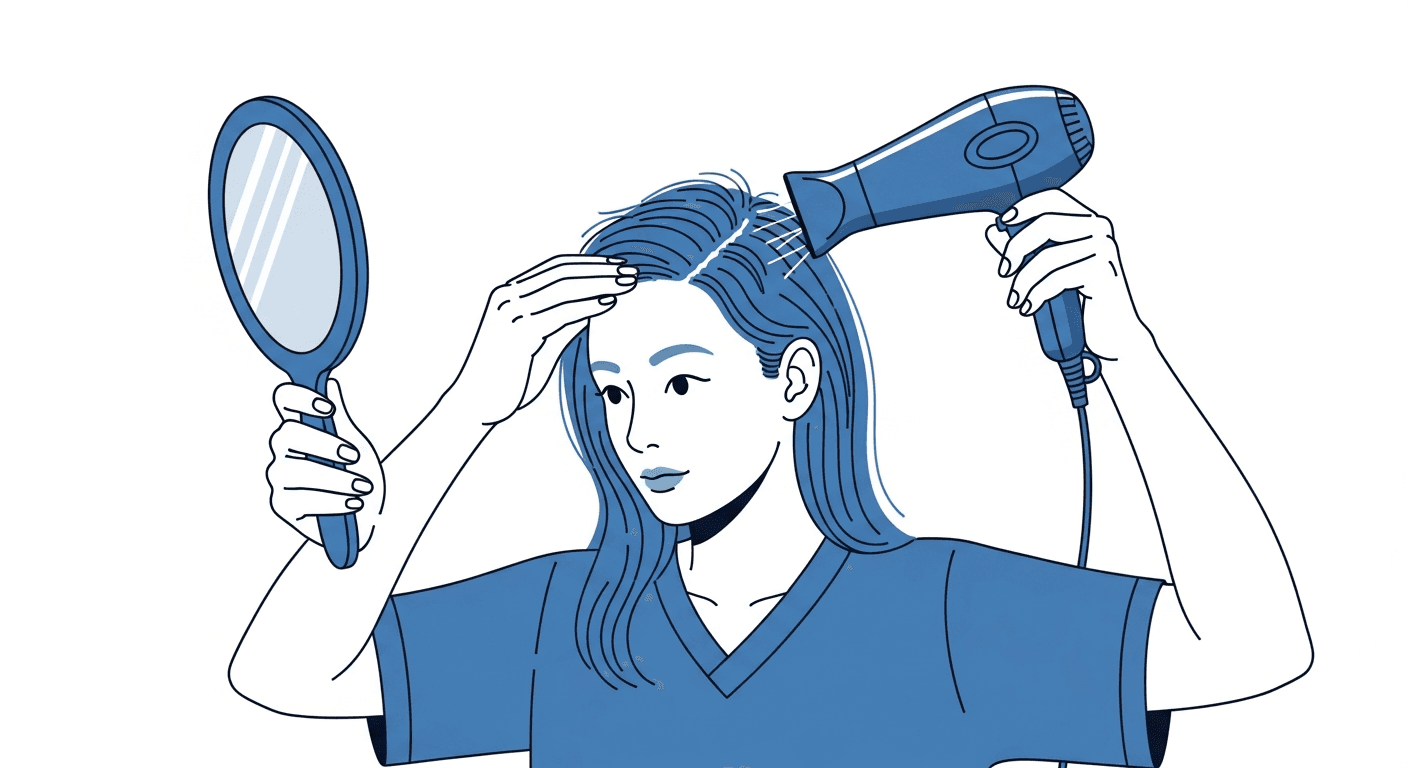
- Use a hairdryer and a handheld mirror to examine your scalp, strand by strand. Look for unusual spots, wounds that don't heal, or changing moles.
- If necessary, ask a trusted person for help. The scalp is one of the most difficult areas to self-examine and is often overlooked, although it can also be affected by skin cancer. A professional skin cancer screening includes the scalp.
Remember: The thoroughness of your self-examination is crucial. Take your time and pay attention to even the smallest change.
Your Step-by-Step Guide: Skin Self-Examination – Part 3 (Back, Legs & Feet)
Step 5: Back of the Body
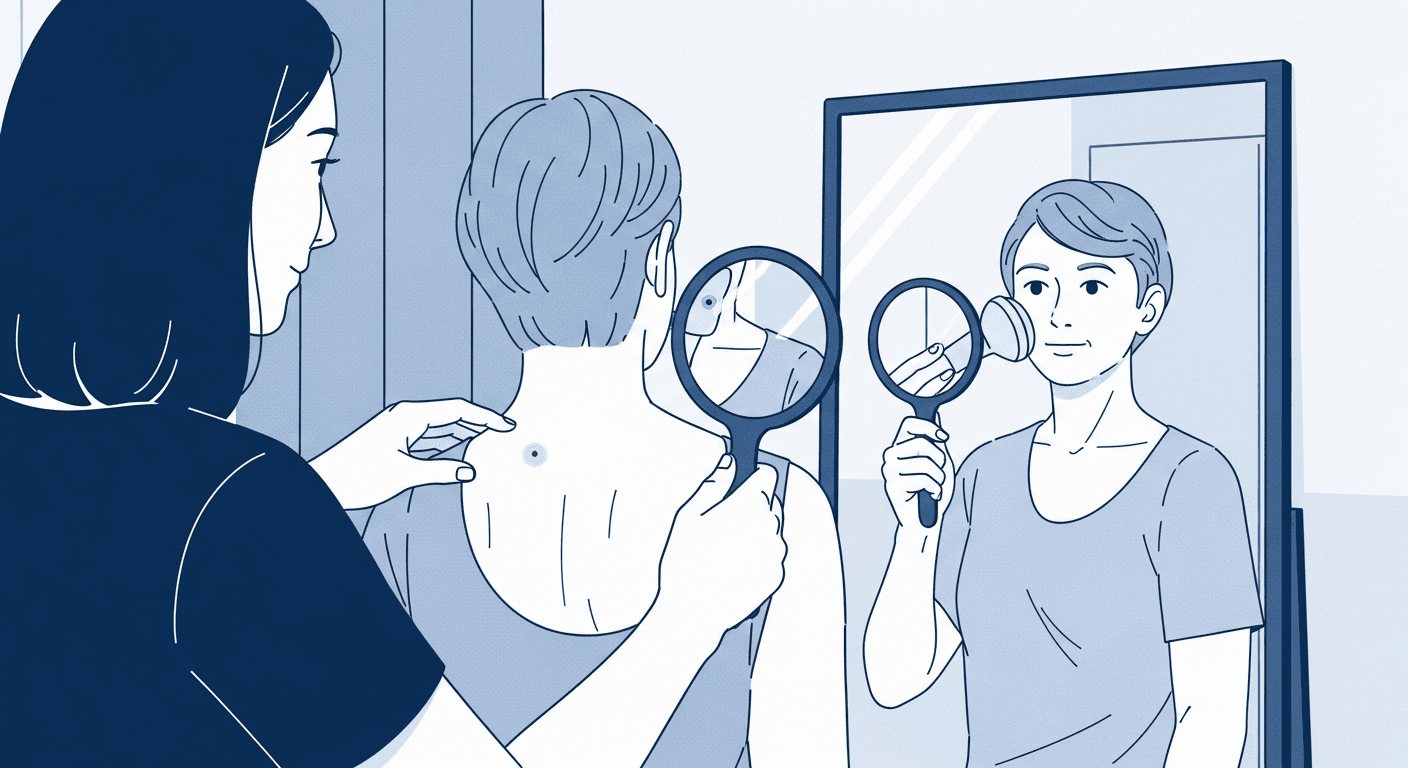
- Stand with your back to the full-length mirror.
- Use the handheld mirror to view your back, buttocks, and the backs of your thighs and calves.
- Pay attention to all hard-to-see areas. Here, the help of another person, especially a partner or family member, is particularly valuable to truly check every part of your skin. A large proportion of melanomas occur in areas that are difficult to self-examine.
Step 6: Legs and Feet
- Sit down.
- Examine your thighs, calves, and feet.
- Don't forget the soles of your feet, the spaces between your toes, and your toenails (again, look for dark streaks). Since the feet are often exposed to the sun and are easily overlooked, they are an important area for checking.
This systematic approach ensures that you don't miss any part of your skin. Regular performance increases your chance of detecting changes early and taking appropriate action.
What to Do If You Notice Abnormalities? Don't Panic, but Act Quickly!
It's natural to be concerned if you notice a change during your skin self-examination. But it's important to remain calm.
- Don't panic: Not every skin change is skin cancer. Many moles are benign. Also, the symptoms of skin cancer can be diverse and sometimes resemble harmless changes.
- Professional clarification: If you discover a mole or skin change that fits the ABCDE rule, is new, has changed, itches, bleeds, or hurts, immediately make an appointment with your dermatologist. Only a dermatologist can make a definitive diagnosis and, if necessary, initiate further steps. They will examine the lesion closely with a dermatoscope and, if necessary, take a tissue sample (biopsy). Early diagnosis is crucial for treatment success.
Do not hesitate to seek medical advice in case of doubt. Your health is the top priority.
If you notice a suspicious skin change, photograph it and note the date. This can help your dermatologist better assess the change. Don't hesitate to make an appointment!
Special Notes for High-Risk Individuals and Professional Skin Cancer Screening
If you belong to a high-risk group, consistent skin self-examination is even more important. In addition, you should attend regular professional skin cancer screenings with your dermatologist. Your doctor can use special devices (e.g., dermatoscope) to detect and document even the smallest changes. Information on prevention and early detection is also provided by the German Dermatological Society (DDG).
Who is considered a high-risk individual?
- People with fair skin types (I and II) who easily get sunburned and tan poorly.
- People with many (more than 50-100) or atypical moles.
- Individuals who had severe sunburns in childhood.
- If melanomas have already occurred in the family (family history).
- In case of immunosuppression (e.g., after organ transplants).
Skin Cancer Screening in Germany:
In Germany, insured individuals aged 35 and over are entitled to a free early detection examination for skin cancer every two years – the so-called skin cancer screening. This examination is carried out by specially trained general practitioners or dermatologists and includes an assessment of the entire skin. The effectiveness of this screening is well-documented by studies and contributes significantly to reducing mortality, as shown, for example, in the Federal Health Reporting.
The combination of your careful self-observation and the expert knowledge of your dermatologist offers the best possible protection against skin cancer.
Frequently Asked Questions (FAQs) about Skin Self-Examination
To clarify the most important aspects of skin self-examination, we answer some frequently asked questions here:
- How often should I examine my skin myself?
Ideally once a month. Regularity helps you get to know your skin well and quickly notice new or changing features. - What if I have many moles?
With many moles, self-examination can be more difficult. Focus on applying the ABCDE rule and especially look for new or changing moles. Digital body mapping procedures with a dermatologist can be a valuable addition here. - Should I also check areas that are never exposed to the sun?
Yes, absolutely! Although UV radiation is the main risk factor, skin cancer can also develop in areas such as the soles of the feet, between the toes, in the genital area, or on the scalp. A comprehensive examination of the entire body is therefore essential. - Are apps like DermCheck sufficient for diagnosis?
Apps that use AI to analyze skin changes can provide initial orientation and support for documentation. However, they are not a substitute for professional examination by a dermatologist. In case of any suspicion or uncertainty, a visit to the dermatologist is essential. - What can I do to encourage my family to self-examine?
Talk openly about the topic, share your knowledge, and offer to check hard-to-see areas. Joint prevention strengthens awareness and safety.
Stay informed and active in your skin cancer prevention. Your skin is worth it!
Regularly take photos of noticeable moles. This way, you can objectively track changes over time and show them to your doctor.
Conclusion and Your Personal Appeal for Skin Health
The skin self-examination is a simple but powerful act of self-care. It is an essential pillar of skin cancer prevention and allows you to actively participate in your health. By regularly and systematically examining your skin according to the step-by-step guide and internalizing the ABCDE rule, you can detect suspicious changes early.
Modern advances in diagnosis and therapy, including immunotherapy, targeted drugs, and promising mRNA vaccines, offer excellent chances of recovery, especially when skin cancer is detected at an early stage. Research into AI-powered diagnostic tools like DermCheck promises additional support, but does not replace the trained eye and expertise of your dermatologist.
Take your skin health into your own hands. Be vigilant, protect yourself from the sun, and do not hesitate to consult a dermatologist at the slightest uncertainty. Your skin is your largest organ – take good care of it and protect it conscientiously.
Stay healthy!
Your medical writer for the Dermatology Blog.
Quellen & Studien (40)
- aad.org
- krebsdaten.de
- krebsdaten.de
- krebsdaten.de
- hautkrebs-netzwerk.de
- sanaskin.ch
- eucerin.ch
- gesundheit.gv.at
- aad.org
- escf-network.eu
- clevelandclinic.org
- krebsregister-sh.de
- krebshilfe.de
- idw-online.de
- medical-tribune.de
- medmedia.at
- journalonko.de
- esanum.de
- journalonko.de
- aimatmelanoma.org
- skincancer.org
- aimatmelanoma.org
- journalonko.de
- cmemedipoint.de
- trillium.de
- hautkrebs-netzwerk.de
- dres-waldmann.de
- derma.swiss
- onko-portal.de
- aok.de
- bfs.de
- admin.ch
- aimatskincancer.org
- onko-portal.de
- krebsgesellschaftnrw.de
- hessisches-krebsregister.de
- melanom-wissen.ch
- aimatmelanoma.org
- dermanostic.com
- selpers.com